
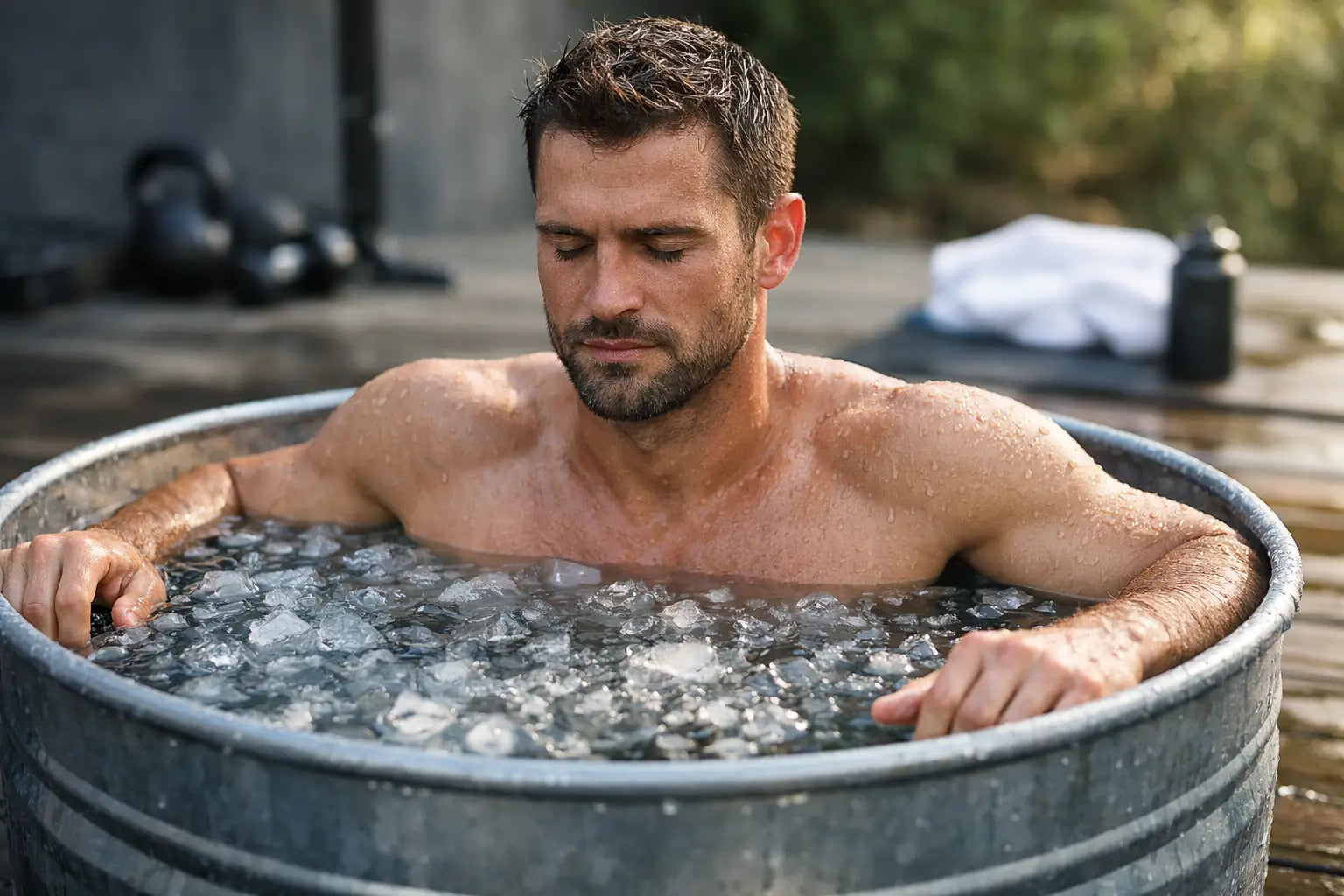
A hard workout can leave you feeling strong in the moment and stiff a few hours later. That is where the conversation around ice bath benefits after workout sessions gets interesting. Cold water therapy can help you feel more refreshed, less sore, and more ready for your next session - but it is not a magic fix, and it is not the right move after every kind of training.
For people building a smart at-home wellness routine, ice baths can be a practical recovery tool. The key is knowing what they actually do, when they make sense, and how to use them without turning recovery into another thing to overcomplicate.
What are the real ice bath benefits after workout sessions?
The biggest reason people use ice baths is simple: they want to reduce post-workout soreness and bounce back faster. After intense exercise, your muscles experience stress, small amounts of tissue damage, and a temporary inflammatory response. Cold exposure may help limit some of that soreness and bring down the heavy, swollen feeling that can show up after tough training.
That can be especially appealing if you work out several times a week, juggle fitness with a busy schedule, or just want to feel good enough to move normally the next day. If your legs are wrecked after a lower-body session or your whole body feels beat up after a long run, cold water can feel like a reset button.
There is also the mental side. Stepping into cold water takes focus, controlled breathing, and a little grit. Many people finish an ice bath feeling more alert and clear-headed. That does not replace sleep, hydration, or smart programming, but it can become part of a recovery ritual that helps you feel back in control.
When ice bath benefits after workout are most noticeable
Cold therapy tends to be most useful after high-intensity training, endurance sessions, or workouts that create a lot of muscle soreness. Think sprint intervals, tough leg days, long runs, HIIT circuits, or competitive training blocks where recovery time matters.
If you are doing back-to-back training days, an ice bath may help you feel fresher sooner. That is one reason athletes and active adults often keep cold exposure in the rotation during demanding weeks. It can be less about chasing perfection and more about staying consistent.
But context matters. If your goal is maximizing muscle growth after strength training, regular ice baths immediately after lifting may not always be ideal. Some research suggests that blunting inflammation too aggressively right after resistance training could reduce some of the signals involved in long-term adaptation. In plain terms, feeling less sore is great, but you do not necessarily want to interfere with the process that helps your body build strength and size.
So the answer is not that ice baths are good or bad. It depends on your goal. If you need short-term recovery, they can help. If your top priority is muscle-building adaptation, timing and frequency deserve more thought.
How cold water may help your body recover
When you sit in cold water, blood vessels near the skin constrict. That response may help reduce swelling and temporarily dull discomfort. Once you warm back up, circulation shifts again, which many people describe as leaving them feeling looser and more refreshed.
Cold can also lower your perception of pain. That matters because recovery is not only about what is happening inside the muscle. It is also about how your body feels and how ready you are to move again. If an ice bath helps your body feel less beaten up, you may be more likely to stay active, stretch, walk, or get back to your routine instead of spending the whole day stiff on the couch.
There is also a nervous system effect. Cold exposure can feel intense at first, but if you settle your breathing and stay calm, it can become surprisingly grounding. For many people, that shift supports stress relief just as much as physical recovery. In an at-home wellness routine, that combination is a big part of the appeal.
Who benefits most from ice baths
Ice baths are often associated with serious athletes, but the audience is wider than that. If you do challenging home workouts, train for races, cycle, hike, practice hot yoga, or stack strength and cardio throughout the week, you may appreciate what cold therapy adds to your routine.
They can also make sense for people who care about daily mobility and overall vitality, not just performance. Recovery is not only about getting through brutal workouts. It is also about staying comfortable in your body, reducing tension, and keeping healthy habits sustainable.
That said, if your workouts are mostly light movement, gentle Pilates, or easy walks, you may not need an ice bath often. It can still feel invigorating, but the payoff may be smaller than it is after harder training.
How to use an ice bath safely and effectively
You do not need extreme temperatures or marathon sessions to get benefits. In fact, going too cold for too long can make the experience miserable and unnecessary.
For most people, a water temperature around 50 to 59 degrees Fahrenheit is enough. A soak of about 5 to 10 minutes is a solid starting point. More experienced users may go a little longer, but there is rarely a reason to push it. Recovery should support your body, not shock it into submission.
Start slowly, especially if you are new to cold exposure. Focus on steady breathing and get out if you feel dizzy, numb in a concerning way, or generally unwell. It is also smart to warm up gradually afterward with dry clothes, light movement, and a normal room temperature environment.
If you have cardiovascular concerns, circulation issues, nerve conditions, or any medical reason to be cautious with cold exposure, check with a healthcare professional first. Ice baths are a wellness tool, not a challenge to prove toughness.
Ice bath vs other recovery tools
An ice bath works best when it is part of a bigger recovery picture. It does not replace sleep, protein, hydration, mobility work, or smart rest days. If those basics are off, cold therapy will not carry the whole load.
It also does not have to compete with other tools. Many people combine cold therapy with stretching, massage tools, compression, red light therapy, or gentle yoga depending on how they feel. The best routine is the one you can actually maintain at home.
That is where convenience matters. If recovery tools are easy to use, you are more likely to turn them into habits instead of occasional experiments. A home setup can make that much simpler, whether your goal is post-leg-day relief or a more complete self-care routine that supports training, movement, and daily energy. Brands like Best Fit & Healthy appeal to that lifestyle because they bring recovery and wellness tools into one place instead of making you piece everything together on your own.
When to skip the ice bath
There are times when cold therapy is not the best call. If you are already chilled, run down, or trying to recover from illness, adding more physical stress may not help. The same goes for sessions where your main goal is maximizing muscle adaptation from strength work, especially if you are using ice baths after every lift.
It is also worth skipping if you dread it so much that it turns recovery into punishment. Wellness routines work better when they feel supportive. Challenging is fine. Miserable is not a requirement.
A smarter way to think about ice bath benefits after workout
The most useful way to look at ice baths is this: they are a targeted recovery option, not a universal rule. They can help reduce soreness, improve how your body feels after intense training, and give you a mental reset that supports consistency. They may be less useful when your body needs adaptation more than immediate relief.
That is good news, because it means you do not need to copy someone else's routine exactly. You can use cold therapy strategically based on your training, your goals, and how your body responds.
If an ice bath helps you recover well enough to move better, show up for your next workout, and feel stronger in everyday life, that is a real benefit. The best recovery routine is not the most extreme one. It is the one that fits your life and helps you keep going.
Share:
Best At Home Anti Aging Tools to Try
Best Cold Plunge Tub for Home: What to Buy