
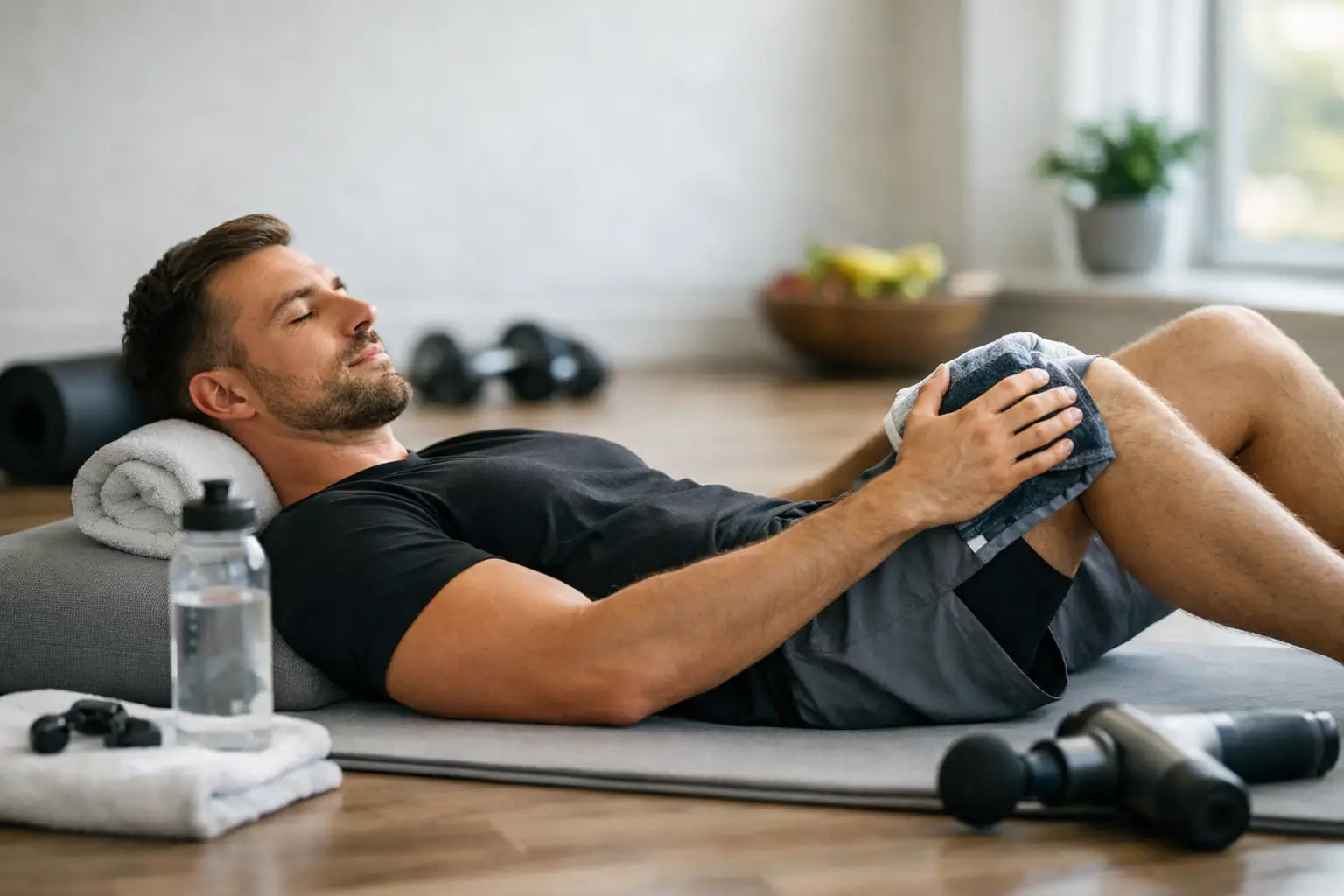
That stiff, heavy feeling the day after a workout is not always a badge of honor. Sometimes it is just your body asking for better support. If you want to know how to recover after workouts in a way that actually helps you move better, train consistently, and feel good in your body, the answer is not one miracle fix. It is a smart routine made up of a few simple habits you can repeat at home.
The good news is that recovery does not need to be complicated. Most people do not need an elite athlete protocol. They need a realistic plan that fits into busy mornings, post-work schedules, and the kind of life where convenience matters. The best recovery routine is the one you will actually use.
How to recover after workouts starts with the first hour
What you do right after training has a big impact on how you feel later that day and the next morning. This does not mean every workout needs a long, drawn-out cooldown, but stopping abruptly and jumping straight into sitting still tends to make tightness worse.
A few minutes of light movement helps your body shift out of training mode. Walking, easy cycling, or gentle stretching can help reduce that locked-up feeling, especially after strength work, running, or high-intensity sessions. If your workout was already mobility-focused, like yoga or Pilates, your cooldown may be shorter. If you lifted heavy or pushed hard with intervals, it often matters more.
Hydration belongs in this first-hour window too. When you lose fluids through sweat, your muscles and energy levels feel it. Plain water is enough for many moderate workouts, but if you trained hard, exercised in heat, or sweat heavily, adding electrolytes may make a difference. This is one of those areas where it depends on your body, your workout, and your environment.
Food matters as well, but perfection is overrated. You do not need to panic about a tiny timing window. What helps most is getting a balanced meal or snack within a reasonable stretch after exercise, especially one that includes protein and carbohydrates. Protein supports muscle repair. Carbs help refill energy stores. If you skip both, recovery usually feels slower.
The recovery basics that make the biggest difference
People often look for advanced tools before they lock in the fundamentals. The basics are not flashy, but they do most of the heavy lifting.
Sleep is at the top of the list. If you are training regularly and sleeping poorly, your recovery ceiling stays low no matter how disciplined you are with everything else. Muscles repair during rest. Energy, mood, and performance all depend on it. If your body keeps feeling rundown, sore for too long, or unusually flat in workouts, poor sleep is often part of the story.
Daily movement is another underrated factor. Recovery is not the same as doing nothing. On rest days, gentle activity can help with circulation, stiffness, and mobility. A walk, a short mobility flow, or easy stretching can leave you feeling better than spending the whole day planted on the couch. There is a difference between rest and inactivity.
Consistency also beats intensity here. One long recovery session once a month will not do as much as short, repeatable habits built into your week. Ten minutes of mobility after workouts, regular hydration, and solid sleep will usually outperform a recovery routine that looks impressive but never happens.
What helps sore muscles recover faster
Muscle soreness is common, especially when you increase intensity, return after time off, or try a new style of training. The goal is not to eliminate every trace of soreness. Some muscle fatigue is normal. What you want is soreness that stays manageable instead of interfering with your next workout or your normal routine.
Gentle mobility work can help loosen up areas that feel tight. This is especially useful for hips, hamstrings, calves, shoulders, and upper back, which are common trouble spots for people who lift, run, cycle, or spend a lot of time sitting. The key is staying controlled. Recovery stretching should feel relieving, not aggressive.
Massage-based tools can also help reduce tension and improve how your body feels between workouts. If a foam roller, massage ball, or percussion device helps you move more freely, that is a real benefit. It may not erase soreness overnight, but it can make recovery feel more manageable. This matters because when your body feels better, it is easier to stay active and keep your routine on track.
Cold therapy can be useful too, especially after hard sessions or when your legs feel heavy and inflamed. Some people love cold plunges or cold showers because they feel refreshed and less achy after. Others find cold uncomfortable or hard to maintain consistently. That is a classic trade-off. A recovery tool only works long term if it fits your lifestyle.
How to recover after workouts at home
At-home recovery works best when it feels easy enough to become part of your normal rhythm. You should not need a clinic visit every time your muscles are tight. A few well-chosen tools and habits can turn your home into a recovery-friendly space.
Start with the environment. A yoga mat, a quiet corner, and ten minutes of uninterrupted time can go a long way. Add simple mobility work, breathwork, or stretching after training, and suddenly recovery stops feeling like an extra chore. It becomes part of the session.
From there, you can build in tools that match your goals. If muscle tension is your main issue, massage and mobility tools may be the best fit. If you want to support circulation, relaxation, and overall recovery, red light therapy may be appealing as part of a broader wellness routine. If you feel your best with cold exposure, a cold therapy setup can make that habit much more realistic at home.
This is where convenience matters. The easier your setup is to use, the more likely you are to stay consistent. That is one reason many people are shifting toward home wellness routines instead of depending on appointments or specialty studios. Brands like Best Fit & Healthy speak to that shift by making recovery feel less like a luxury and more like an everyday lifestyle upgrade.
Matching your recovery to your workout
Not every workout creates the same recovery needs. That is where people sometimes waste energy. They use the same exact routine after every session, even when their body is asking for something different.
After strength training, protein, hydration, and gentle movement tend to matter most. Your muscles need support, but that does not mean total stillness. If you trained legs hard, light walking later in the day can often help with stiffness.
After cardio or endurance work, replenishing fluids and electrolytes becomes more important, especially in heat. Your calves, feet, and hips may also need extra attention if you run or do repetitive movement.
After yoga or Pilates, recovery may be less about muscle soreness and more about maintaining the mobility, posture, and body awareness you just trained. In that case, hydration, easy walking, and a calm evening routine may be enough.
If you did a very intense session, your best recovery move may be pulling back the next day. This is where discipline looks different. Sometimes the smartest choice is not another hard workout. It is letting your body absorb the one you already did.
Signs your recovery routine is not working
If you are always sore, your performance keeps dropping, or your motivation is sliding, recovery may be the missing piece. That does not automatically mean you need more products or more time spent on self-care. It could mean your workouts are too intense for your current sleep, stress, or nutrition.
Watch for patterns. If soreness lasts several days after normal training, if your sleep feels restless, or if little aches keep piling up, your body may need more support. That could mean more rest days, better hydration, more mobility work, or a simpler training schedule for a week or two.
There is also a mindset piece here. Recovery is not being lazy. It is what allows progress to stick. When you recover well, you show up stronger, move with better control, and stay more consistent over time. That is where real results usually come from.
Build a recovery routine you will actually keep
The best recovery plan is one that works on your busiest weeks, not just your most motivated ones. Keep it simple enough to repeat. Drink water after training. Eat a balanced meal. Move a little, even on rest days. Prioritize sleep. Use tools that help you feel better and fit naturally into your space and schedule.
You do not need a perfect system. You need a sustainable one. When recovery becomes part of your everyday wellness routine, workouts stop feeling like something you survive and start feeling like something your body is ready for again.
Share:
9 Best Red Light Therapy Devices
Does Red Light Therapy Work for Recovery?