
If a recovery tool ends up buried in a drawer after two weeks, it was never the right fit. The best red light therapy device is the one you will actually use - the one that fits your space, your routine, and the results you want from at-home wellness.
That matters because red light therapy is not really a one-size-fits-all category. Some people want help with post-workout recovery and muscle tension. Others are focused on skin appearance, daily self-care, or building a simple longevity routine they can stick with. The right device depends less on hype and more on how you plan to use it in real life.
What makes the best red light therapy device?
The short answer is usability paired with enough coverage to make your sessions feel worthwhile. A device can sound impressive on paper, but if treatment sessions feel awkward, too short-range, or too time-consuming, consistency usually falls apart.
For most people, the best choice comes down to five things: treatment area, ease of use, session time, comfort, and build quality. If you want to target your face, a smaller panel or mask-style option can make sense. If your focus is recovery for legs, back, shoulders, or full-body wellness, a larger panel usually gives you a much better experience.
Power matters too, but not in the way people often assume. More power is only helpful if the device is designed well and lets you treat the area you care about without turning each session into a project. In practice, a convenient device used four to five times a week will usually beat a larger, more powerful option that feels like a hassle.
The best red light therapy device depends on your goal
A lot of buying mistakes happen because shoppers start with the product format instead of the outcome. It is easier to choose well when you begin with your main goal.
For muscle recovery and soreness
If your workouts leave you dealing with tight quads, sore glutes, stiff shoulders, or a cranky lower back, coverage should be high on your list. A compact handheld device can work for spot treatment, but it gets less practical when you are trying to treat larger muscle groups several times a week.
In that case, a panel-style device is usually the better buy. It lets you cover more tissue in less time, which makes it easier to use after strength training, long walks, yoga, Pilates, or mobility sessions. For active adults building a recovery routine at home, this is often where red light therapy feels most valuable.
For skin care and beauty routines
If your main priority is supporting smoother-looking skin, improving the feel of your routine, or adding a consistent beauty-tech step at home, a smaller device can be a strong fit. Facial-focused options feel less intimidating, store more easily, and blend naturally with existing skin care habits.
The trade-off is that they are more specialized. If you also want body recovery benefits, you may outgrow a face-only device faster than expected. That does not make it a bad choice - it just means your use case should be clear from the start.
For all-around wellness
If you want one device that can support recovery, relaxation, and daily wellness without boxing you into one narrow use, a mid-size or larger panel tends to be the most flexible choice. It gives you room to use the device for post-workout sessions one day and a more general full-body routine the next.
This is often the sweet spot for people building a home wellness setup. It feels premium enough to grow with your habits, but practical enough to use regularly.
How to compare devices without getting lost in specs
Specs matter, but they should help you make a clearer choice, not overwhelm you. The easiest way to shop is to focus on the few details that directly affect your day-to-day experience.
Size and coverage
This is where most people should start. A small device can still be effective, but it naturally limits how much of the body you can treat at one time. That may be fine if you are targeting the face, hands, or one small area. It is less ideal if you want recovery support for multiple muscle groups.
If your schedule is busy, broader coverage usually wins. Shorter, easier sessions are simply more sustainable.
Setup and portability
Think about where the device will live. If you need to carry it from room to room, tuck it into a closet, or set it up around your work-from-home schedule, convenience matters more than you might expect.
A sleek, easy-to-position device is more likely to become part of your morning or evening routine. If it is bulky or awkward for your space, even a good device can end up underused.
Session comfort
This one is easy to overlook. Comfortable positioning, manageable treatment times, and a design that does not make you feel stuck all shape whether you will stay consistent.
The best red light therapy device should feel like a realistic addition to your week, not another chore on your list.
Quality and trust
Because this category has grown fast, quality can vary. Look for devices that feel thoughtfully built and clearly positioned for everyday home use rather than novelty appeal. A curated wellness retailer can help narrow the field by removing some of the guesswork.
That is one reason shoppers who want recovery, beauty, and at-home wellness tools in one place often prefer a store like Best Fit & Healthy. The experience feels simpler when your device is part of a broader, practical health routine instead of a random one-off purchase.
Which format is right for you?
There is no universal winner across every lifestyle, but a few patterns show up again and again.
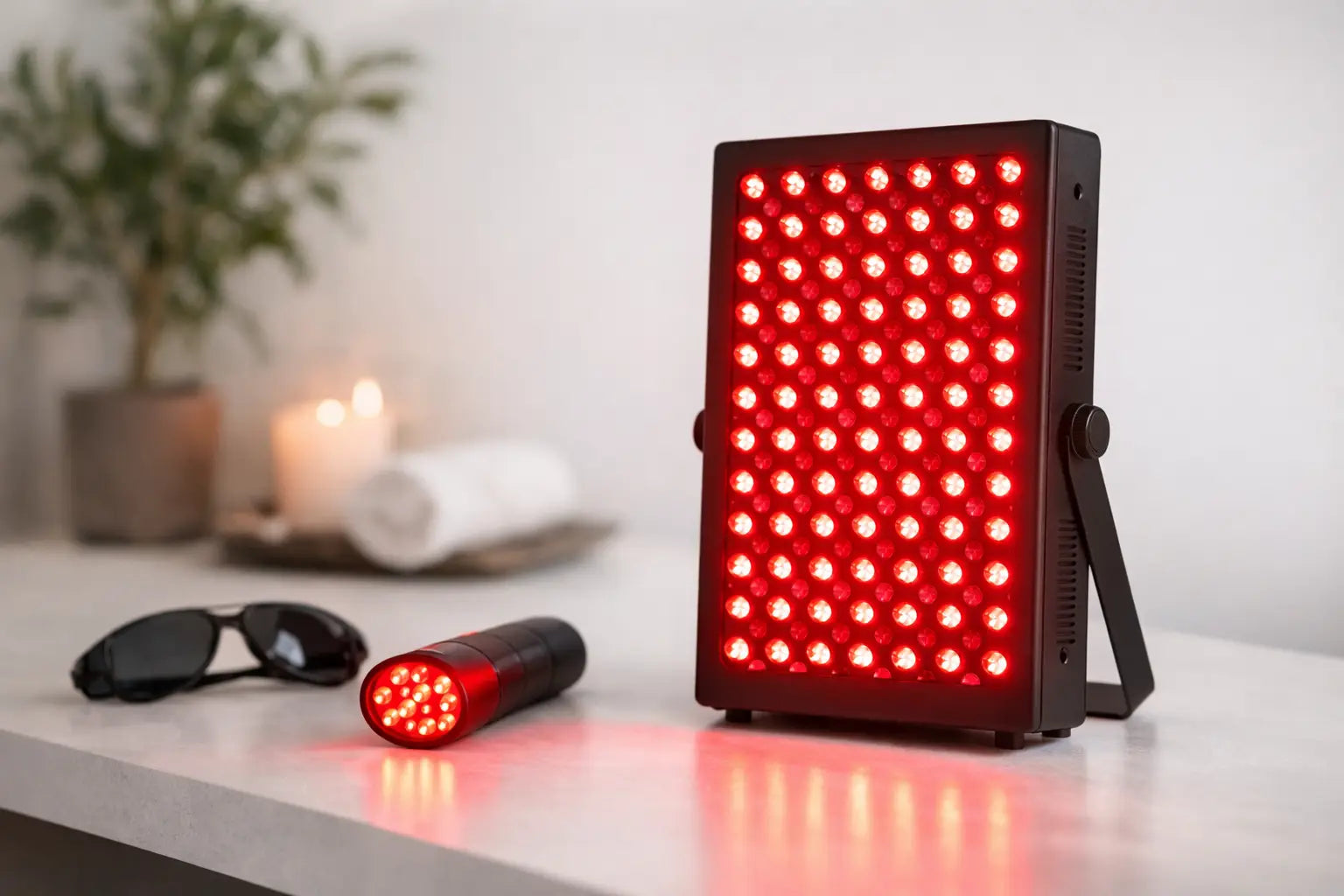
A handheld device makes sense for small target areas and occasional use. It is usually the most budget-friendly entry point, but it can feel limiting if your goals expand.
A facial device works best for people who are committed to a skin-focused routine and want something easy to integrate with self-care habits. If beauty is your main category, it can be a smart and satisfying choice.
A panel device is often the strongest all-around option. It gives you more flexibility, better body coverage, and a more efficient experience for people who want both recovery and wellness benefits at home. For many shoppers, this is the format that feels most worth the investment over time.
Signs you are buying too little - or too much
It is possible to undershoot and overshoot in this category.
Buying too little usually looks like choosing the smallest, cheapest option when your real goal is full-body recovery or regular use on multiple areas. You save money up front, but sessions become tedious, and the device may stop fitting your needs quickly.
Buying too much usually happens when you go straight to the biggest setup available without considering space, routine, or commitment level. If you are not ready to build sessions into your week, a massive device can feel excessive.
A better approach is to buy for the routine you can realistically maintain over the next six months. Not your most ambitious version of yourself - your actual life.
How to get more value from your device
Even the best device works better when it fits into a rhythm. Most people do well with short, repeatable sessions attached to an existing habit, like after a workout, before a shower, or as part of an evening wind-down.
Consistency matters more than making every session perfect. If your goal is recovery, use it on the days your body feels taxed. If your goal is skin care or general wellness, regular use tends to be more helpful than occasional marathon sessions.
It also helps to keep your expectations practical. Red light therapy often works best as one part of a bigger routine that includes movement, sleep, hydration, and recovery habits that support how you want to feel day to day.
So, what is the best red light therapy device to buy?
For most home users, the best red light therapy device is a quality panel that balances enough coverage with easy setup and realistic session times. It tends to offer the best mix of flexibility, convenience, and long-term value, especially if you want support for both recovery and everyday wellness.
That said, if your focus is mainly facial skin care, a smaller beauty-focused device may be the smarter pick. If you only need spot treatment once in a while, a handheld option can still do the job. The right answer depends on whether you want a specialized tool or a more versatile part of your home routine.
The smartest purchase is not the one with the flashiest spec sheet. It is the one that makes it easier to show up for your body, your recovery, and your self-care on an ordinary Tuesday.
Share:
Red Light Therapy for Face: Does It Work?