
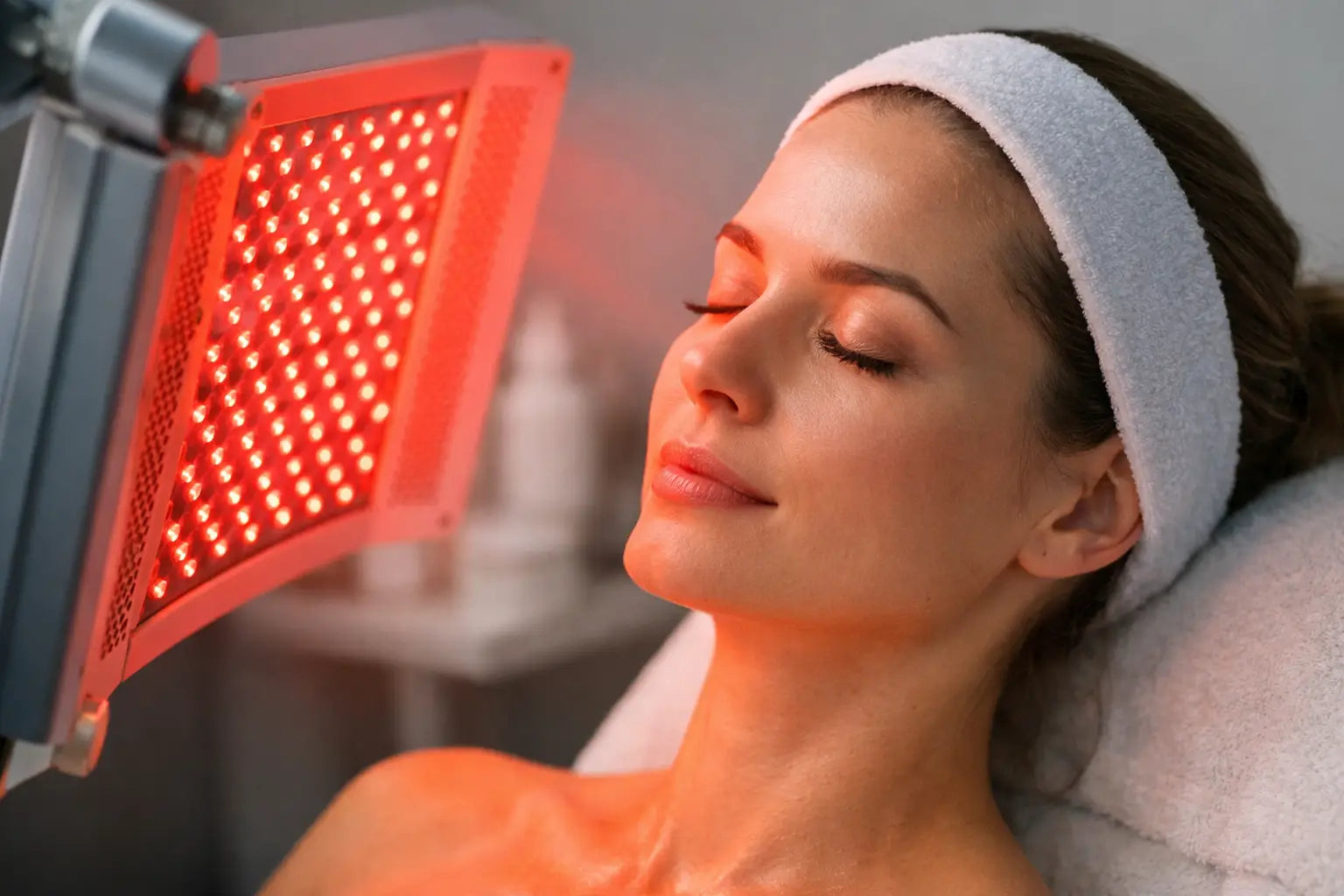
You can be consistent with cleanser, serum, and SPF and still feel like your skin needs something more. That is exactly why red light therapy for face routines have become part of so many at-home wellness setups. It fits the way people actually want to care for themselves now - effective tools, minimal fuss, and results that build with regular use.
For many people, the appeal is simple. You do not need to book appointments, recover from harsh treatments, or overhaul your bathroom shelf. A red light device can slide into the same routine as your skincare, your stretch session, or the few quiet minutes you grab before bed.
What red light therapy for face is really doing
Red light therapy uses specific wavelengths of light that reach the skin without the heat or abrasion people usually associate with more aggressive treatments. The goal is not to force a dramatic overnight change. It is to support the skin in a gentler, more consistent way over time.
That matters if your skincare philosophy leans practical. Many at-home users are not chasing one miracle fix. They want tools that help their skin look fresher, more even, and a little more rested while fitting into a realistic routine.
People often use red light therapy for face concerns like fine lines, dullness, uneven-looking tone, and skin that seems stressed or tired. Some also like it because it feels calming. That makes it a good match for a broader self-care routine, especially if you already think about recovery and wellness as connected, not separate categories.
What results can you realistically expect?
The most helpful way to think about results is gradual improvement. Red light therapy is usually not the kind of treatment where you look different after one session and start texting friends. It tends to reward consistency.
With regular use, many people notice that their skin looks smoother and a bit more radiant. The overall tone may appear calmer, and fine lines can look softer over time. If your skin often seems tired, especially after stress, poor sleep, workouts, travel, or dry indoor air, this kind of routine can support a healthier-looking appearance.
That said, expectations matter. Red light therapy will not replace injectables, erase deep wrinkles, or fix every skin concern by itself. If you have significant acne, melasma, rosacea, or another ongoing skin issue, your results may vary depending on your skin type and what else is going on. It works best when you treat it like one piece of a bigger skin and wellness routine.
Why people like it for at-home use
Convenience is the real selling point. You can use a face-focused device while winding down, reading, meditating, or getting ready for sleep. There is no travel time, no appointment schedule, and usually no complicated learning curve.
That ease matters more than people think. The best skincare tool is often the one you will actually use three to five times a week. A device can have impressive specs, but if it feels bulky, confusing, or too time-consuming, it ends up in a drawer.
This is where product design makes a difference. A well-made at-home red light device should feel simple, comfortable, and realistic to use as part of daily life. For shoppers building a home wellness setup, it also makes sense to buy from a brand that understands the bigger picture - recovery, movement, beauty, and routines that work together. That is part of what makes curated wellness shopping more practical on sites like https://Bestfitandhealthy.com.
How to use red light therapy for face the right way
The best routine is usually the one you can repeat without effort. Start with clean, dry skin. That gives the light a direct path and keeps your session simple. If your device comes with specific instructions for timing and distance, follow those closely because design can vary from one product to another.
Most people do best with short sessions several times per week rather than one very long session once in a while. Think consistency, not intensity. More is not always better, and pushing beyond recommended use is not the shortcut it sounds like.
It also helps to place your session where it naturally fits. Morning can work if you like a calm start and want to layer on the rest of your skincare after. Evening is a strong option if you already treat nighttime as your reset window. Pairing it with a habit you already have, like brushing your teeth, stretching, or doing your skincare, makes the routine easier to keep.
What to pair with it and what to avoid
Red light therapy works best when your basics are already solid. Cleanser, moisturizer, and daily sunscreen still do heavy lifting. If your skin is dehydrated, irritated, or constantly unprotected from sun exposure, no device is going to fully make up for that.
A simple approach usually works well. Use your device on clean skin, then follow with hydrating and barrier-supportive products. If you love active ingredients like retinol, acids, or vitamin C, you may still be able to use them in your routine, but it depends on your skin’s tolerance. If your skin is sensitive, avoid stacking too many stimulating steps at once.
This is one of those areas where more skincare is not always smarter skincare. Red light therapy is often at its best when it supports a calm, steady routine instead of competing with an aggressive lineup of products.
Is it safe for everyone?
For most users, red light therapy is considered a low-risk option when used as directed. It is noninvasive, and that is a big reason it appeals to people who want visible support without downtime. Still, low risk does not mean one-size-fits-all.
If you have a medical condition, take medications that increase light sensitivity, or have a history of skin reactions, it is worth checking with a healthcare professional before starting. The same goes if you are pregnant or managing an eye condition. Some devices also recommend eye protection or avoiding direct exposure to the eyes, so product instructions matter.
If your skin is currently very irritated, sunburned, or recovering from another treatment, give it time before adding something new. A good wellness routine should feel supportive, not like a constant stress test for your skin.
How to choose a device you will actually use
It is easy to get distracted by marketing language, but the basics matter most. You want a device designed for facial use, with clear instructions, reasonable session lengths, and a shape that fits comfortably into your routine.
Comfort and convenience are not small details. If a device is awkward, heavy, or hard to store, your motivation drops fast. Think about your real lifestyle. Do you want a mask, a handheld tool, or something that works best while you are sitting still for a few minutes? The right answer depends less on hype and more on your habits.
You should also think in terms of consistency over perfection. A device that you enjoy using regularly will beat a more complicated option that feels like a project every time.
The bigger picture for skin, recovery, and daily wellness
One reason facial red light therapy has staying power is that it fits the way people now think about health. Better skin is not just about appearance. It is also tied to recovery, stress, rest, and the feeling of taking care of yourself in a steady, doable way.
That is why this tool lands so well with people who already invest in home workouts, stretching, mobility, and smarter recovery habits. It belongs in the same category of products that help you feel more put together without making your day harder. When your routine supports both how you look and how you feel, it becomes easier to stick with.
If you are considering red light therapy for face use, the smartest approach is to keep your expectations grounded and your routine simple. Give it time, use it consistently, and let it support the healthy habits you are already building. Sometimes the best upgrade is not a dramatic change. It is a small practice that makes you feel a little better every day.
Share:
Best Red Light Therapy Device for Home Use
Red Light Therapy for Face: Is It Worth It?