
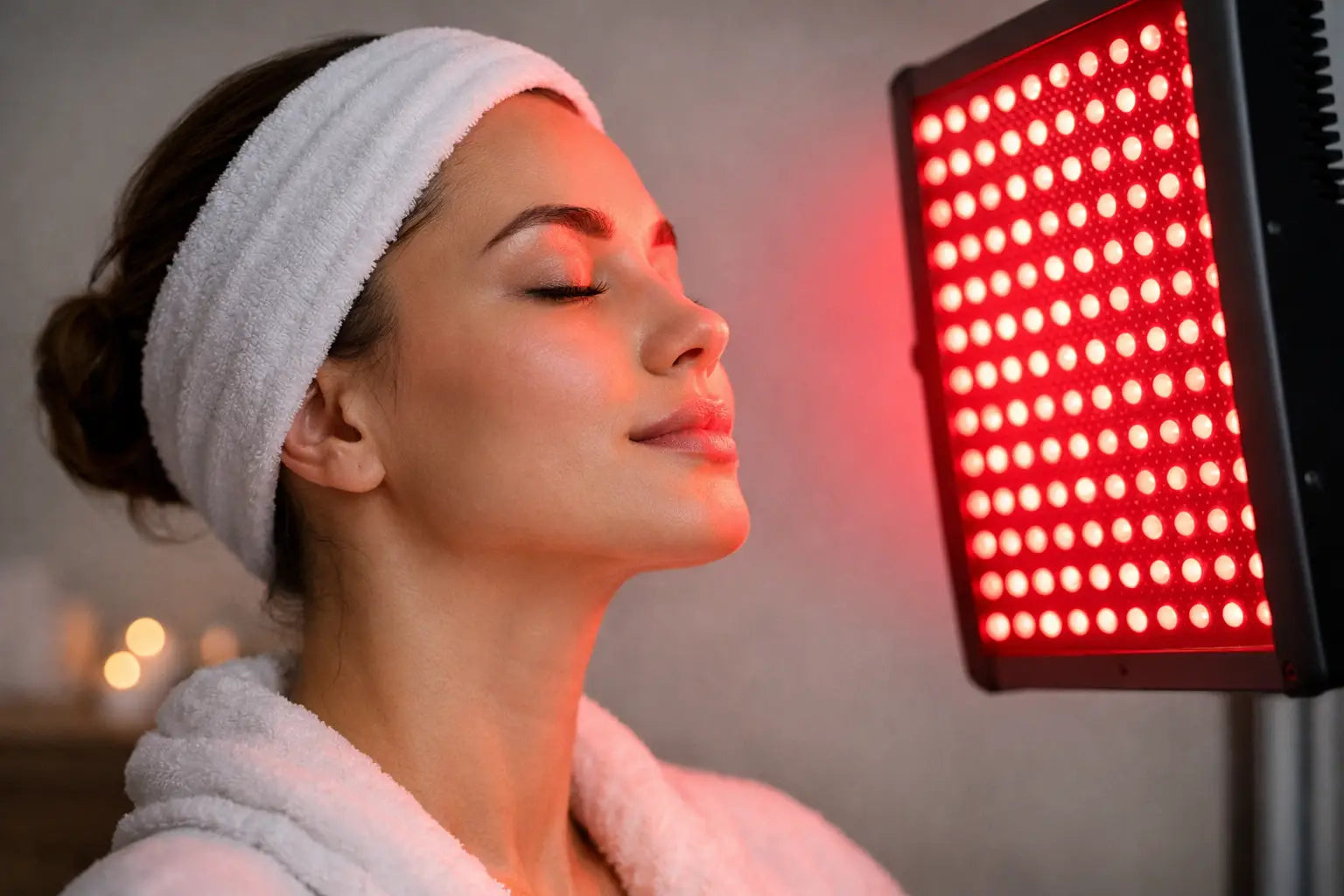
You do not need a complicated 12-step routine to make your skin look better. For a lot of people, the real challenge is finding something they will actually use consistently. That is why red light therapy for face has become such a popular part of at-home wellness. It fits into real life, feels low effort, and can support a healthier-looking complexion without turning your bathroom into a lab.
If you have seen face masks, panels, or handheld devices all over your feed, the interest makes sense. People want skincare tools that do more than sit in a drawer. They want something that feels practical, calming, and easy to pair with the habits they already have, whether that is a morning reset, a post-workout shower, or a wind-down routine before bed.
What red light therapy for face is really doing
Red light therapy uses specific wavelengths of light, usually in the red and near-infrared range, to deliver energy to the skin. In skincare, that usually means helping support the skin's natural renewal process and encouraging a fresher, more even-looking appearance over time.
That does not mean overnight transformation. It is closer to how good wellness habits usually work. You stack small, repeatable sessions and let consistency do the heavy lifting. For people trying to support smoother-looking skin, soften the look of fine lines, or bring back some visible glow, that steady approach is part of the appeal.
One reason this category fits so well into modern self-care is that it is not just about beauty. It also feels restorative. A few quiet minutes under a red light device can turn into a pause in the day, which matters when your routine needs to work for your skin and your stress level.
The benefits people usually notice first
Most people start using red light therapy because they want skin that looks brighter, calmer, and more balanced. Those are often the first visible changes users talk about. Skin can appear more refreshed, especially when sessions become part of a regular weekly rhythm.
Another common reason people try it is the look of fine lines and texture. Red light therapy is often used to support collagen-friendly skincare routines, which is why it is popular with people focused on healthy aging. It is not a replacement for everything else, and it is not a one-session fix, but it can be a strong add-on for someone who wants a more complete at-home routine.
It may also appeal to people dealing with dullness after workouts, travel, stress, or poor sleep. When your skin looks tired, a tool that helps you stay consistent with self-care can have real lifestyle value. That matters because the best skincare device is the one you will keep using.
Who gets the most out of it
Red light therapy for face tends to be a strong fit for people who like low-maintenance routines with visible long-term payoff. If you already make time for movement, recovery, hydration, and basic skincare, this kind of tool can slide in naturally.
It is especially appealing for people who want professional-style beauty tech without booking appointments. That includes busy parents, remote workers, gym regulars, and anyone trying to build a better home wellness setup. Instead of treating skincare like a separate category, they want it connected to the same habits that help them feel stronger and more balanced overall.
That said, it is not always the best fit for someone who gets bored quickly or expects dramatic results in a week. Light therapy rewards patience. If you know you prefer instant-change products, you may need to adjust expectations before investing.
Choosing the right device for your routine
Not every red light device feels the same in daily life. Some people love the convenience of a wearable mask because it makes the process feel hands-free and easy. Others prefer a panel because it can support a broader routine and may fit into both skincare and recovery habits.
A handheld tool can make sense if you want a smaller entry point or more targeted use. The trade-off is time. A mask or panel may feel easier to use consistently because you can cover more area with less effort.
This is where lifestyle matters more than hype. If your wellness habits already happen at home and you want something simple, choose the format you can realistically use several times a week. The best device is not the most impressive-looking one. It is the one that matches your schedule, space, and attention span.
How to use it without overcomplicating your skincare
The smartest way to start is with clean, dry skin and a simple plan. Most people do best when they use their device for short sessions a few times per week rather than going all in for a few days and then forgetting about it.
You do not need to pile on products before treatment. In many cases, less is better. A clean face, a consistent session length, and a moisturizer afterward are often enough to make the habit feel easy and sustainable.
Timing is flexible. Some people like red light therapy in the morning because it helps them feel reset before work. Others prefer it at night because it turns into a calming ritual. If you are already doing post-workout recovery, stretching, or a shower routine at home, adding your light session right after can make the habit stick.
What results usually look like over time
The first improvement is often not dramatic. It is more like your skin starts looking a little more awake, a little more even, and a little less stressed. That subtle shift is usually what keeps people going.
Over several weeks, many users look for smoother texture and a healthier glow. Longer-term users often care most about maintenance. They are not waiting for one miracle session. They are using the device as part of a steady routine that supports how they want to look and feel overall.
This is also where honesty matters. Results depend on your skin, the quality of the device, and how regularly you use it. Sleep, sun exposure, hydration, and your broader skincare habits still matter. Red light therapy can support your routine, but it does not cancel out every other factor.
Safety, expectations, and a few smart boundaries
One reason red light therapy has grown so quickly is that it feels approachable. Compared with more aggressive skincare treatments, it is generally seen as a gentle option for home use. Still, gentle does not mean thoughtless.
Follow the device instructions, especially around timing and eye protection if recommended. More is not always better. Sticking to the intended use is usually the best way to keep the experience comfortable and productive.
If you have a specific skin condition, are especially sensitive to light, or use products or medications that affect photosensitivity, it is worth checking with a healthcare professional first. That extra caution is not about fear. It is about building a routine that is actually right for you.
Why it fits the bigger wellness picture
The biggest reason red light therapy keeps showing up in home wellness spaces is simple. It works well with the way people want to care for themselves now. They do not want self-care that feels separate from real life. They want tools that help them move better, recover faster, and feel more confident in their skin without leaving the house.
That is what makes this more than a beauty trend. It fits the same mindset behind home fitness equipment, recovery tools, and better daily habits. You are not chasing perfection. You are building a routine that helps you feel more put together, more energized, and more consistent with your health.
For shoppers looking to create that kind of setup, curated wellness stores like Best Fit & Healthy make the process easier by bringing beauty, recovery, and everyday health tools into one place. That matters when you want your routine to feel connected instead of pieced together from five different stores.
If red light therapy for face keeps catching your attention, that is probably because it checks a lot of boxes at once. It is simple, practical, and easy to repeat. And in skincare, just like in fitness, the habits you can actually keep are usually the ones that change the most.
Share:
Red Light Therapy for Face: Does It Work?
How to Use Red Light Therapy at Home