
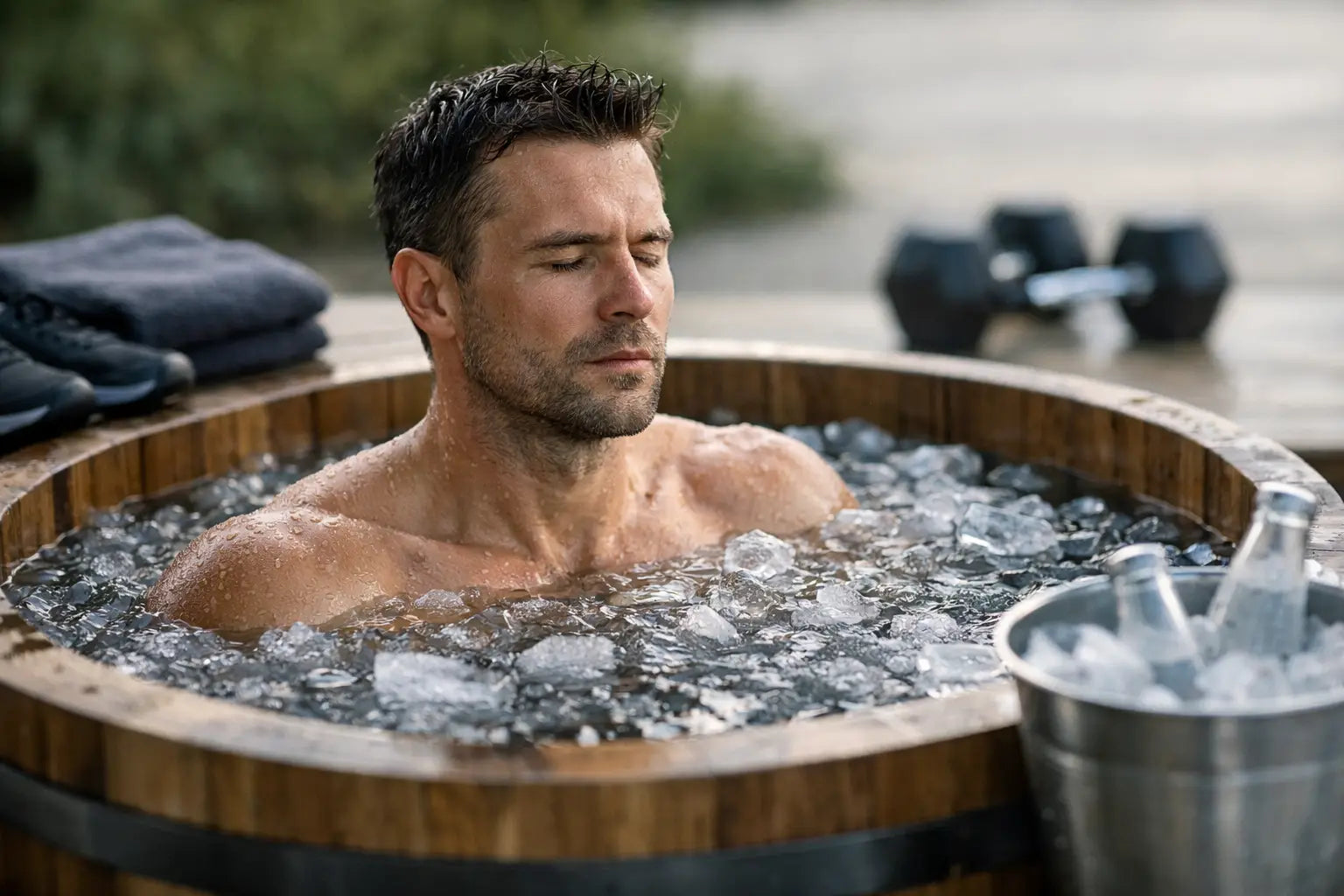
That post-leg-day heaviness has a way of following you into everything - the stairs, your next workout, even how you sit at your desk. Cold water therapy for recovery has become a go-to tool for people who want to feel better faster at home, not just athletes with access to training rooms and fancy recovery setups.
The appeal is easy to understand. A short blast of cold can feel energizing, reduce that dragged-down feeling after hard exercise, and turn recovery into something you actually do instead of something you keep meaning to start. But it is not magic, and it is not always the right move at the right time. The real value comes from knowing when to use it, how to use it, and what kind of results to expect.
Why cold water therapy for recovery works
When your body is exposed to cold water, blood vessels near the surface narrow for a period of time. That shift can help reduce the feeling of swelling and calm some of the soreness that shows up after intense effort. Many people also notice that cold exposure helps them feel more awake and mentally reset, which matters when recovery is not just physical.
This is one reason cold plunges, ice baths, and cold showers have become popular across fitness, yoga, and at-home wellness routines. They are simple, relatively low-tech, and easy to repeat consistently. If your goal is to support soreness management, bounce back between training days, or create a ritual that helps you feel sharper and more resilient, cold water can fit that routine well.
There is also a practical side to it. Recovery tools work best when they are close enough to use regularly. A setup in your own space removes a lot of friction. Instead of waiting for a spa appointment or skipping recovery because it takes too much time, you can make it part of your week in a way that actually sticks.
What benefits can you realistically expect?
The biggest reason people try cold water therapy is muscle soreness. After a tough run, strength session, hot yoga class, or long day on your feet, cold exposure may help you feel less achy and more capable the next day. That does not always mean you are fully recovered, but feeling better can make it easier to keep your routine consistent.
You may also notice improved perceived recovery. That phrase sounds technical, but it is simple: you feel more ready to train again. For busy adults balancing work, family, workouts, and self-care, that matters. Recovery is not only about what is happening inside the muscle. It is also about whether your body feels fresh enough to keep moving.
Cold water therapy can also support your broader wellness routine. Many people use it because it helps them feel focused, disciplined, and mentally reset. If your ideal health routine includes movement, recovery, stress management, and daily habits that help you feel stronger, cold exposure can become a useful anchor.
That said, results vary. Some people love the immediate refresh. Others mostly notice a reduction in soreness. Some find cold showers easier to maintain than full immersion. The best method is often the one you will actually use more than once.
When cold water therapy makes the most sense
Cold exposure tends to be most helpful after hard training, high-volume workouts, endurance sessions, or days when your whole body feels inflamed and heavy. It can be especially appealing in warm weather or after heat-based exercise, when your body already wants to cool down.
It can also work well on recovery days. A short cold session may help you feel more energized before light stretching, a walk, or mobility work. If you are someone who enjoys building a full at-home reset routine, cold water can pair naturally with breathwork, compression, gentle movement, or red light therapy used at a separate time of day.
Where it gets more nuanced is strength and muscle-building. If your main goal is maximizing muscle adaptation from resistance training, frequent cold immersion immediately after every lift may not be ideal. Some research suggests that regular post-lift ice baths could slightly blunt some of the training response related to muscle growth. That does not mean cold water is bad. It means timing matters.
If you are training hard and want relief from soreness without making cold exposure your default right after every strength session, you might reserve it for especially demanding days, competitions, or periods when recovery speed matters more than maximizing growth.
How to use cold water therapy for recovery at home
You do not need an extreme setup to get started. In fact, starting simple is usually the better approach.
Cold showers
Cold showers are the easiest entry point. They are accessible, quick, and much less intimidating than a full ice bath. Start with your normal warm shower, then end with 30 to 60 seconds of cool or cold water. Over time, you can build up to 1 to 3 minutes if it feels manageable.
This option works well for people who want a fast recovery ritual without a lot of prep. It is also a smart choice if you are testing your tolerance before investing in more dedicated cold water therapy equipment.
Cold baths or plunges
A cold bath gives you more full-body exposure and often feels more effective for lower-body fatigue after running, leg training, or long active days. For many people, a range around 50 to 59 degrees Fahrenheit feels cold enough to be useful without turning the experience into a test of survival. Sessions often last around 5 to 10 minutes, especially for beginners.
If that sounds intense, go shorter. Consistency beats drama here. Two or three measured, realistic sessions each week are more useful than one punishing plunge you never want to repeat.
Keep the experience structured
Have a towel ready. Breathe slowly before getting in. Set a timer so you are not guessing. Get out if you feel dizzy, numb in a concerning way, or simply overwhelmed. Cold water therapy should feel challenging but controlled.
Best practices that make it easier to stick with
The most effective recovery routine is the one that fits your actual life. That means keeping cold exposure simple, repeatable, and tied to a clear purpose.
If your goal is easing soreness, use it after your hardest training days. If your goal is a mental refresh, a short cold shower in the morning may work better. If your goal is building a complete at-home wellness setup, think about how cold therapy fits with the rest of your routine rather than treating it like a one-off trend.
It also helps to avoid making every session all-or-nothing. Some days you may want a full plunge. Other days, a 60-second cold finish is enough. Your routine can still be effective without looking intense on social media.
A curated home recovery setup can make that consistency easier. Best Fit & Healthy focuses on practical wellness tools that support everyday recovery, movement, and self-care, which is exactly what most people need - not more complexity, just better habits with better tools.
Who should be careful with cold exposure?
Cold water therapy is not for everyone. If you have cardiovascular issues, circulation problems, uncontrolled high blood pressure, nerve sensitivity, or any medical condition that could be aggravated by sudden cold exposure, talk with your healthcare provider first.
It is also smart to be cautious if you are brand new to intense recovery methods. Start gradually. Very cold water for too long is not better. It is just more stressful. If you feel panicked or short of breath, ease up and shorten the session next time.
Pregnant individuals or anyone managing a health condition should get personalized guidance before adding regular cold immersion. When in doubt, a milder cold shower is often a safer first step than a full plunge.
Is cold water therapy worth adding to your routine?
If you want a practical way to support soreness, reset after tough workouts, and build a stronger recovery habit at home, the answer is often yes. Cold water therapy for recovery is popular because it is simple, effective for many people, and easy to work into real life.
The key is using it with intention. It is not a replacement for sleep, protein, mobility work, hydration, or smart training. It is one tool that can make those efforts feel more complete. And for many people, that little shift in how the body feels the next day is enough to keep the whole routine moving forward.
Start with what feels doable, stay consistent, and let recovery become part of how you take care of yourself - not just something you think about when soreness gets loud.
Share:
Best Cold Plunge Tub for Home: What to Buy
How Long Should You Stay in an Ice Bath?