
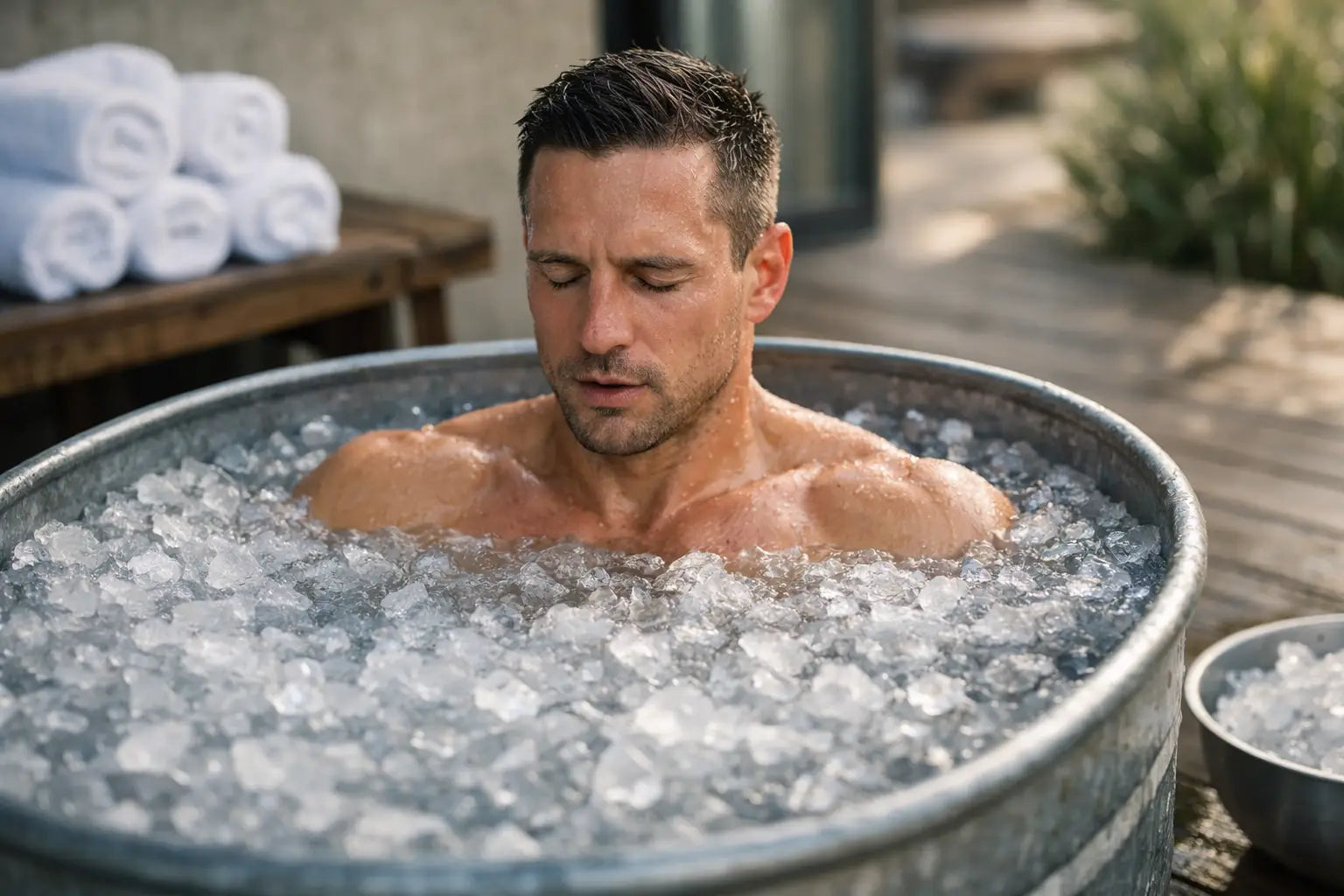
The first minute of an ice bath can feel like a full-body negotiation. Your breath gets sharp, your muscles tense up, and your brain starts asking why you thought this was a good idea. That is exactly why so many people ask how long should you stay in an ice bath - because with cold therapy, more is not always better.
If your goal is better recovery, less soreness, and a stronger at-home wellness routine, timing matters just as much as temperature. Stay in too briefly and you may not get much benefit. Stay in too long and you can push past helpful stress into plain old misery, or worse, an unsafe experience. The sweet spot is usually shorter than people expect.
How long should you stay in an ice bath for recovery?
For most healthy adults, 2 to 10 minutes is the practical range. If you are new to cold exposure, start with 2 to 3 minutes. If you already have some experience and feel comfortable managing the cold, 5 to 8 minutes is a common target. Around 10 minutes is typically the upper end for many home users.
That range works because cold water hits fast. Unlike a cool shower, an ice bath creates a stronger whole-body response in a short amount of time. You do not need to stay in for 15 or 20 minutes to prove anything. In most cases, longer sessions do not mean better recovery.
A good rule is to earn your time gradually. If your breathing is still panicked after the first minute, your body is telling you that you are not ready for a longer session. Calm breathing, steady posture, and a controlled exit matter more than chasing a timer.
The ideal temperature changes the answer
When people ask how long should you stay in an ice bath, the real answer depends on how cold the water is. The colder the bath, the less time you need.
A common range for ice baths is about 50 to 59 degrees Fahrenheit. At that temperature, many people can tolerate 5 to 10 minutes. If the water drops closer to 40 to 50 degrees, sessions should usually be shorter, often around 2 to 5 minutes, especially for beginners.
This is where people often get it wrong at home. They load up the tub with too much ice, assume colder is better, and end up cutting the session short because it feels brutal. A slightly less intense bath that you can repeat consistently is often the smarter move.
For an everyday wellness routine, consistency wins. A controlled cold plunge that fits your schedule and feels manageable is more useful than an extreme one you dread doing again.
What you are trying to get out of it matters
Ice baths are not one-size-fits-all. The right timing depends on your goal.
If you want post-workout recovery, a shorter session is usually enough. After a hard run, heavy strength training day, or intense sports session, 3 to 8 minutes can help you feel fresher and less sore.
If your goal is mental reset or stress resilience, some people prefer very brief exposures done more regularly. In that case, even 2 to 4 minutes may feel effective.
If you are using cold exposure simply as part of a balanced self-care routine at home, there is no prize for staying in the longest. The real win is building a practice you can keep doing alongside movement, stretching, sleep, hydration, and other recovery habits.
There is also a trade-off worth knowing. Ice baths may help reduce soreness after hard training, but using them immediately after every strength workout may not always line up with muscle-building goals. If you are focused on recovery between demanding sessions, cold can be useful. If you are trying to maximize adaptation from strength training, you may want to use it more selectively.
How to know when to get out
The timer helps, but your body gives useful feedback too. You should get out if you feel numbness that goes beyond mild discomfort, dizziness, confusion, intense shivering you cannot control, or if your breathing feels unstable.
A successful session usually looks boring from the outside. You step in carefully, settle your breathing, stay still, remain aware, then get out before your body starts fighting you. If the whole thing turns into a survival contest, that is your cue to shorten the next session.
Beginners often benefit from ending while they still feel in control. That builds confidence and makes the routine easier to repeat. The goal is not to white-knuckle your way through a dramatic experience. The goal is to recover better and feel stronger afterward.
A simple beginner approach
If you are new to cold therapy, keep it basic. Aim for water around 50 to 59 degrees Fahrenheit and start with 2 minutes. Over the next few sessions, work toward 3, then 4, then 5 minutes if your body is adapting well.
There is no rush. A lot of people get better results from easing in than from going all in on day one. You are building tolerance, not testing toughness.
It also helps to set yourself up before you start. Have a towel ready, wear minimal but comfortable clothing if needed, and make sure you can get out safely without slipping. If you are using cold water therapy as part of your home setup, convenience matters. The easier it is to do well, the more likely it becomes part of your routine.
Should you do ice baths every day?
You can, but daily is not automatically necessary. Some people enjoy short cold sessions several times a week and feel great. Others prefer using ice baths only after especially intense workouts or physically demanding days.
If you notice that cold exposure leaves you energized, less sore, and more recovered, a few sessions per week may fit well. If it starts to feel draining, inconvenient, or too intense, pulling back can be the better choice.
This is especially true for people building a broader wellness routine at home. Ice baths can work well alongside stretching, yoga, red light therapy, and other recovery tools, but they do not need to carry the whole load. Cold therapy is one piece of the picture, not the entire picture.
Safety matters more than toughness
Ice baths are not right for everyone. If you have cardiovascular issues, circulation problems, nerve conditions, are pregnant, or have any medical concerns, it is smart to check with a healthcare professional before trying cold immersion.
You should also avoid doing an ice bath alone if you are new to it or pushing colder temperatures. Extreme cold can affect how you feel very quickly. What seems manageable at first can change in a minute.
And never force yourself to stay in because someone online made it sound easy. Cold tolerance varies a lot. Body size, water temperature, stress level, and simple day-to-day readiness all affect the experience.
Making ice baths fit real life
The best recovery habits are the ones you can actually maintain. That is why a lot of at-home wellness routines work better when they feel simple, not extreme. An ice bath should support your day, not take it over.
If you are adding cold therapy to your week, think in terms of rhythm. Maybe it is a 5-minute session after leg day. Maybe it is 3 minutes after a long run. Maybe it is a weekend recovery ritual paired with light stretching and a slower evening. The right plan is the one that helps you move better, recover faster, and feel more balanced without adding friction.
If you are building that kind of setup at home, having the right recovery tools makes a difference. Brands like Best Fit & Healthy focus on practical wellness products that make routines easier to stick with, which is often the missing piece between a good intention and an actual habit.
So, how long should you stay in an ice bath?
For most people, 2 to 10 minutes is enough, with 5 to 8 minutes being a strong middle ground once you have some experience. Beginners should stay on the shorter end. If the water is very cold, go shorter still.
The smartest approach is simple: use the least amount of cold that gives you the benefit you want. Recovery should feel challenging, but manageable. If you step out feeling alert, accomplished, and ready to warm up gradually, you probably got it right.
A good ice bath is not about staying in the longest. It is about knowing when enough is enough, then coming back to the habit in a way that keeps your wellness routine strong.
Share:
Cold Water Therapy for Recovery: Does It Help?
Best Pilates Grip Socks for Better Practice