
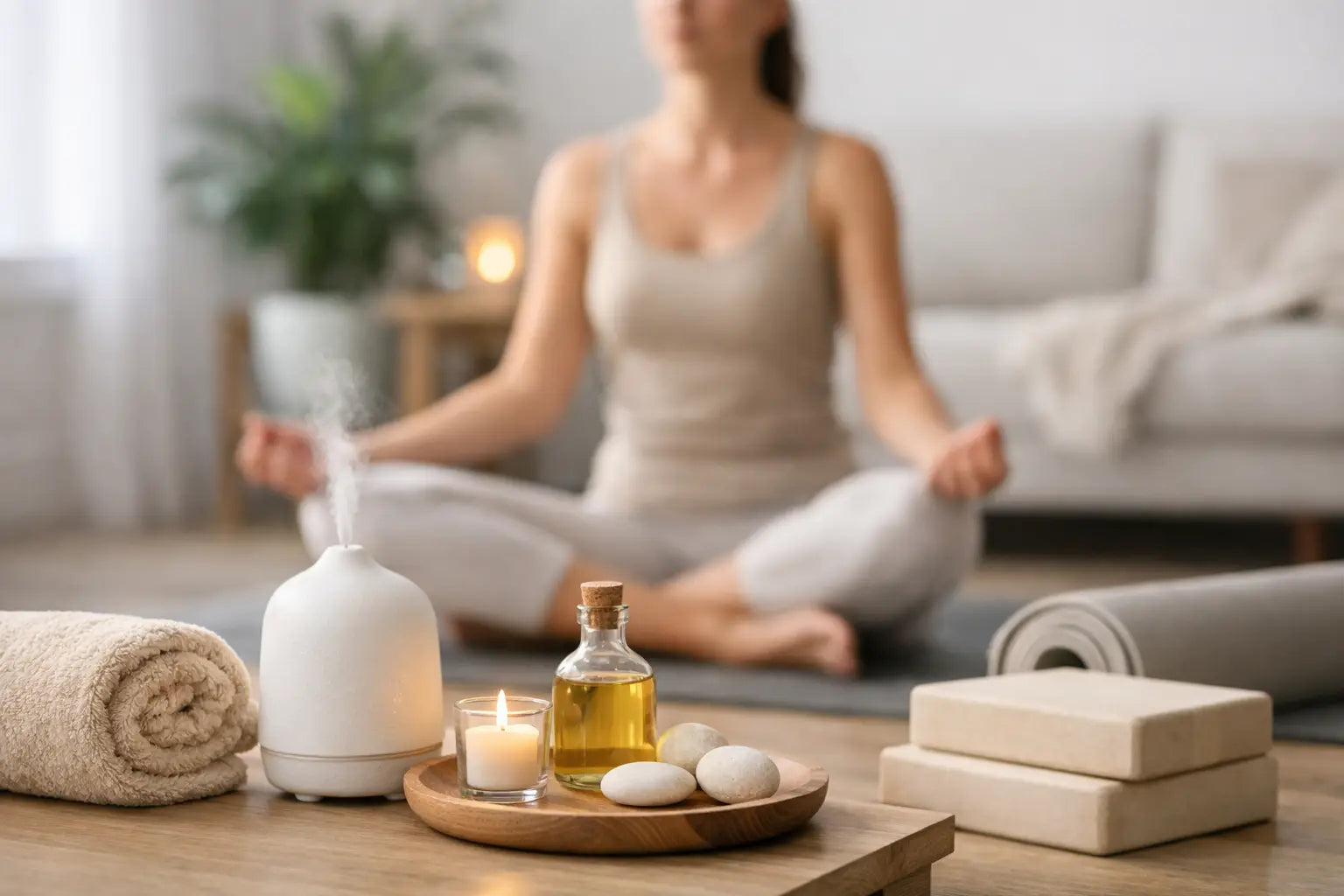
If your workout gear is in one corner, your skincare tools are in another, and your recovery habits happen only when you remember them, you do not need more motivation - you need a better system. A smart home wellness routine guide is less about doing everything and more about creating a rhythm you can actually keep. When your routine fits your space, schedule, and energy level, it becomes much easier to move better, recover faster, and feel stronger day after day.
The biggest mistake people make with at-home wellness is treating it like an all-or-nothing project. They imagine an hour-long morning routine, a perfect supplement stack, daily workouts, and spa-level recovery. Then real life shows up. Work runs late, energy dips, and the routine falls apart because it was built for an ideal day instead of a normal one.
A better approach starts with one question: what do you want your home wellness routine to do for you? For some people, the answer is less stiffness and better recovery. For others, it is clearer skin, more mobility, lower stress, or more consistent movement. Most people want a mix of those things, which is why the strongest routines combine fitness, recovery, and self-care instead of treating them as separate categories.
What a home wellness routine guide should actually help you do
A useful routine should reduce friction, not add to it. That means choosing habits and tools that work in your home without turning every day into a project. If you live in workout sets, love yoga, and want better posture, your setup may lean toward mobility accessories, recovery tools, and supportive apparel. If your focus is skin quality and stress relief, you may care more about red light therapy, facial rejuvenation tools, and quiet evening rituals.
There is no single perfect formula, but there are a few signs your routine is working. You are using it consistently. You feel a noticeable benefit within a few weeks. And the products or practices you bring in are solving a real problem instead of creating clutter.
That last point matters. Wellness products can absolutely improve your day, but only if they fit your habits. A cold therapy tool sounds exciting until it sits untouched. A recovery device can be a great investment if it helps you bounce back from training, long workdays, or chronic tightness. It depends on what you will honestly use three times a week, not what looks impressive online.
Build your routine around four daily pillars
The easiest way to make wellness feel manageable is to organize it into a few core areas. For most adults, those pillars are movement, recovery, beauty and skin support, and nervous system reset. You do not need to hit all four perfectly every day, but having each one represented across your week creates balance.
Movement keeps the routine alive
Movement is usually the anchor because it improves almost everything else. Even a short mobility session, a Pilates flow, or a bodyweight workout can help posture, circulation, energy, and mood. If you work from home or spend hours sitting, movement may be the part of your routine that protects you from that heavy, locked-up feeling that builds over time.
This does not mean every day needs to be intense. Some days call for strength training. Some call for stretching, yoga, or a walk. A realistic home routine respects your energy instead of forcing the same output every day. The more flexible the structure, the more likely you are to stick with it.
Recovery is what makes consistency possible
A lot of people focus on workouts and ignore the step that helps them keep going. Recovery is not a luxury add-on. It is what helps your body feel good enough to come back tomorrow. If you deal with sore muscles, joint stiffness, or post-workout fatigue, recovery tools can turn at-home wellness from occasional effort into something sustainable.
This is where practical products make a real difference. Red light therapy devices, massage and muscle relief tools, stretching accessories, and cold water therapy options can support circulation, reduce tension, and make recovery feel easier to access. You do not need a clinic appointment or a dedicated recovery room. You just need a setup that is easy to use in your actual home.
Beauty and skin support belong in wellness too
Wellness is not only about performance. Looking refreshed and feeling confident in your skin is part of the same picture. For many people, a home routine feels more rewarding when it includes visible self-care, not just physical effort. That could mean a few minutes with a skin rejuvenation device in the evening or pairing red light therapy with your wind-down routine.
The benefit here is not only cosmetic. When beauty tools are built into your routine, they often help reinforce consistency in other areas too. A person who commits to an evening skin ritual may also be more likely to stretch, hydrate, and slow down before bed. Wellness habits tend to stack when they feel enjoyable.
Nervous system reset is the part people skip
You can have the best gear in the house and still feel off if your body never gets a chance to downshift. Stress shows up as poor sleep, tension, low patience, and inconsistent energy. A solid home wellness routine should create moments where your system can settle.
That reset can be simple. Breathwork after a shower. Ten quiet minutes on a yoga mat. Light stretching before bed. A short red light session away from screens. The point is not to chase perfection. It is to stop living in constant output mode.
How to make your home wellness routine guide work with your schedule
Your routine should match the shape of your day. If mornings are rushed, do not force a 45-minute ritual before work. Put your energy into a five- to ten-minute movement reset, then save recovery or skincare for later. If evenings are your best window, build around that instead.
Think in terms of anchors, not long checklists. Morning might be hydration, light mobility, and a quick skin or red light session. Midday might be posture support, a short walk, or stretching after sitting. Evening might be recovery, a shower, and a calming beauty ritual. These anchor points make the routine feel automatic.
It also helps to keep your tools visible and grouped by purpose. If your yoga accessories, recovery products, and skincare devices all live in different rooms and hidden drawers, using them becomes a chore. A small, organized wellness station can make the habit feel much more natural.
Start small, then upgrade with intention
The most effective routines are built in layers. Start with the habits that give you the clearest payoff. If your body feels tight and rundown, begin with movement and recovery. If stress and dull skin are your biggest complaints, focus on evening restoration and skin support. Once those pieces feel consistent, add more.
This is where a curated approach helps. Instead of shopping across unrelated categories and hoping everything works together, it is easier to build a home setup when your products support the same lifestyle goal. Best Fit & Healthy speaks to that idea well because the routine is not split into separate identities - fitness, recovery, beauty, and daily wellness all work together.
Still, more is not always better. If you are choosing between two tools, ask which one solves your most frequent problem. The answer may be a recovery device you will use after every workout, not the trendiest product in your cart. Smart wellness spending usually looks boring at first. It becomes exciting when the results show up in your day-to-day life.
A simple weekly rhythm that feels sustainable
Most people do well with a loose routine instead of a strict plan. Aim for movement most days, recovery several times a week, and a beauty or relaxation ritual that makes your evenings feel more intentional. Some weeks you will train harder and need more muscle support. Other weeks you may need more nervous system care and lighter movement.
That flexibility is not a weakness. It is what keeps the routine alive through busy seasons, travel, stressful weeks, and changing goals. Wellness at home should support your life, not compete with it.
The best routine is the one you return to. Not the longest one, not the trendiest one, and not the one that looks perfect on social media. Build something that makes your body feel supported, your home feel restorative, and your habits feel easy enough to repeat. That is where real progress starts.
Share:
Can LED Masks Help Acne? What to Expect
LED Face Mask Review: Is It Worth It?