
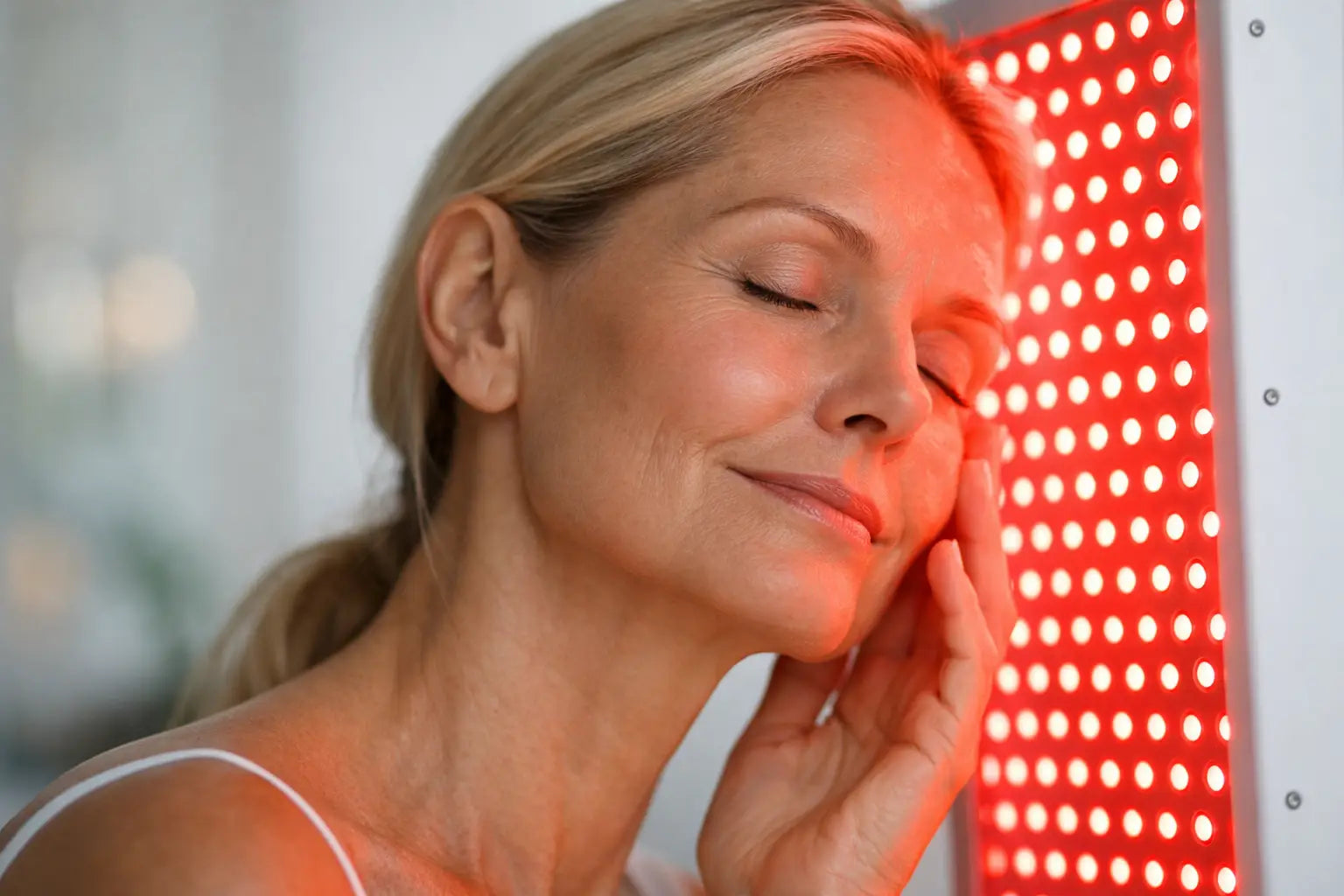
Fine lines usually do not show up all at once. They creep in around the eyes, settle around the mouth, and start changing how your skin looks even when you feel rested. If you have been wondering, can red light help wrinkles, the short answer is yes - for many people, it can help soften the look of them over time. The bigger question is how much it can help, how long it takes, and what kind of routine actually makes a difference.
Can red light help wrinkles in a real-world routine?
Red light therapy is popular for a reason. It is simple to use, easy to do at home, and fits into a wellness routine without asking for a major time commitment. Unlike harsher treatments that can leave skin irritated or require downtime, red light is generally gentle. That makes it appealing for people who want visible skin support without turning their week upside down.
For wrinkles, the main appeal is that red light therapy may help support collagen production and improve overall skin texture. Collagen is one of the things that keeps skin looking firmer and smoother. As natural collagen levels decline with age, skin can start to look thinner, less elastic, and more prone to lines. Red light therapy is used to encourage skin cells to function more efficiently, which may help improve the look of fine lines and early wrinkles.
This does not mean red light erases every crease or works like a cosmetic procedure. It is more realistic to think of it as a consistency-based skin tool. Over time, it may help skin look brighter, smoother, and a little more resilient.
How red light therapy may help wrinkles
Red light therapy uses specific wavelengths of light that penetrate the skin without causing damage. The goal is not heat or abrasion. Instead, the light energy is absorbed by cells, which may help support natural repair processes.
When people talk about red light and anti-aging, collagen gets most of the attention, but it is not the only factor. Red light may also help reduce the look of inflammation, improve circulation in the skin, and support a healthier overall tone. That matters because wrinkles often look more noticeable when skin is dry, dull, or uneven.
If your skin is showing mild to moderate signs of aging, red light may be especially useful as part of a broader routine. The effect is often cumulative. A single session will not change much, but regular use can gradually improve how skin looks and feels.
What results are realistic?
This is where expectations matter. Red light therapy may help soften the appearance of fine lines, support firmer-looking skin, and improve texture. It may also help skin look fresher and more even, which can make wrinkles seem less obvious overall.
Deep static wrinkles usually respond less dramatically than early fine lines. If lines are tied to years of sun exposure, repeated facial tension, or significant collagen loss, red light may still help, but the results tend to be subtler. It is better at improving skin quality than delivering instant transformation.
That trade-off is actually one reason many people stick with it. It is a lower-effort, lower-disruption option that works best when you want steady improvement instead of aggressive intervention.
How long does it take to see changes?
Most people need several weeks of regular use before they notice a difference. Some may see their skin looking more refreshed within a couple of weeks, while wrinkle-related changes often take longer. A realistic window is around 8 to 12 weeks of consistent sessions.
That timeline depends on your age, skin condition, device quality, and how often you use it. A strong at-home routine done consistently usually beats occasional use of a great device. Skipping sessions for long stretches makes it harder to judge whether it is really helping.
Patience matters here. Red light therapy is not the kind of treatment that rewards one heroic weekend of effort. It works better when it becomes part of your normal rhythm, like your workout, recovery, or skincare routine.
Can red light help wrinkles better than skincare alone?
It can complement skincare well, but it does not really replace it. Think of red light as one piece of a stronger system.
Topical skincare still matters because your skin needs hydration, barrier support, and protective ingredients. Red light may help support what is happening beneath the surface, while good skincare helps protect and maintain the outer layer. If you use red light but ignore sunscreen, hydration, or basic skin health, you are making the process harder than it needs to be.
The strongest routine is usually a simple one you can actually keep up with. Clean skin, regular red light sessions, moisturizer, and daily SPF can go a long way. If you already use active ingredients like retinol or peptides, red light may fit in nicely as another support tool.
What about in-office treatments?
In-office procedures often produce faster or more dramatic results, especially for deeper wrinkles. But they also tend to cost more, involve travel, and sometimes come with downtime or irritation. For many people, that is not realistic as an ongoing lifestyle choice.
At-home red light therapy sits in a useful middle ground. It is more involved than using serum alone, but far more convenient than booking repeated appointments. If your goal is to build a sustainable beauty and wellness routine at home, it makes a lot of sense.
How to use red light for wrinkle support
Using red light therapy well is usually more about consistency than complexity. Start with a clean, dry face so the light can reach the skin without sunscreen, makeup, or heavy products in the way. Follow the device instructions for distance and timing, since different tools vary.
Most routines involve short sessions several times per week. More is not always better. Going beyond recommended use does not necessarily speed things up, and good devices are designed around a specific treatment window.
After your session, apply your usual skincare. Many people like pairing red light with hydrating products because skin often looks best when it is both supported and well moisturized.
Placement matters too. If your concerns are around crow's feet, forehead lines, or smile lines, make sure the device is actually reaching those areas evenly. Small inconsistencies in routine can affect how noticeable your results feel over time.
Who is most likely to benefit?
Red light therapy tends to be a strong fit for people who want gradual skin improvement without a harsh approach. It often makes sense for adults noticing early signs of aging, mild texture changes, or fine lines that are becoming more visible under makeup or in bright light.
It can also be a great option for people who are already committed to healthy routines. If you are someone who works out at home, prioritizes recovery, and likes practical self-care tools, red light fits naturally into that lifestyle. It is not about chasing perfection. It is about supporting your skin in a way that feels manageable and consistent.
At Best Fit & Healthy, that is exactly why at-home wellness tools continue to resonate - they make it easier to turn good intentions into daily habits.
When red light may not be enough on its own
There are times when red light therapy is helpful but not sufficient by itself. If your wrinkles are deep, your skin has significant sun damage, or you want fast visible change for a specific event, you may need a more intensive approach.
It is also worth remembering that wrinkles are influenced by more than one factor. Sleep, stress, hydration, sun exposure, and repetitive facial movement all play a role. Red light can support the process, but it cannot fully offset habits that keep pushing skin in the opposite direction.
That is not a reason to skip it. It is a reminder to see it as part of a bigger wellness picture. The people who tend to be happiest with red light are usually the ones who pair it with realistic expectations and a solid overall routine.
So, can red light help wrinkles?
Yes, it can help wrinkles look less noticeable, especially when they are mild to moderate and you use it consistently. It is not an overnight fix, and it is not a substitute for every other skincare step. But for many people, it is a smart, low-friction way to support smoother, healthier-looking skin at home.
If you want a beauty tool that fits into real life, red light therapy is worth considering. A few focused sessions each week can be a practical way to support your skin without adding stress to your schedule. The best results usually come when you stop looking for a quick fix and start building a routine your future skin will thank you for.
Share:
Can Ice Baths Reduce Inflammation?
10 Minutes of Slow Treadmill Exercise: What a New Brain Study Found