
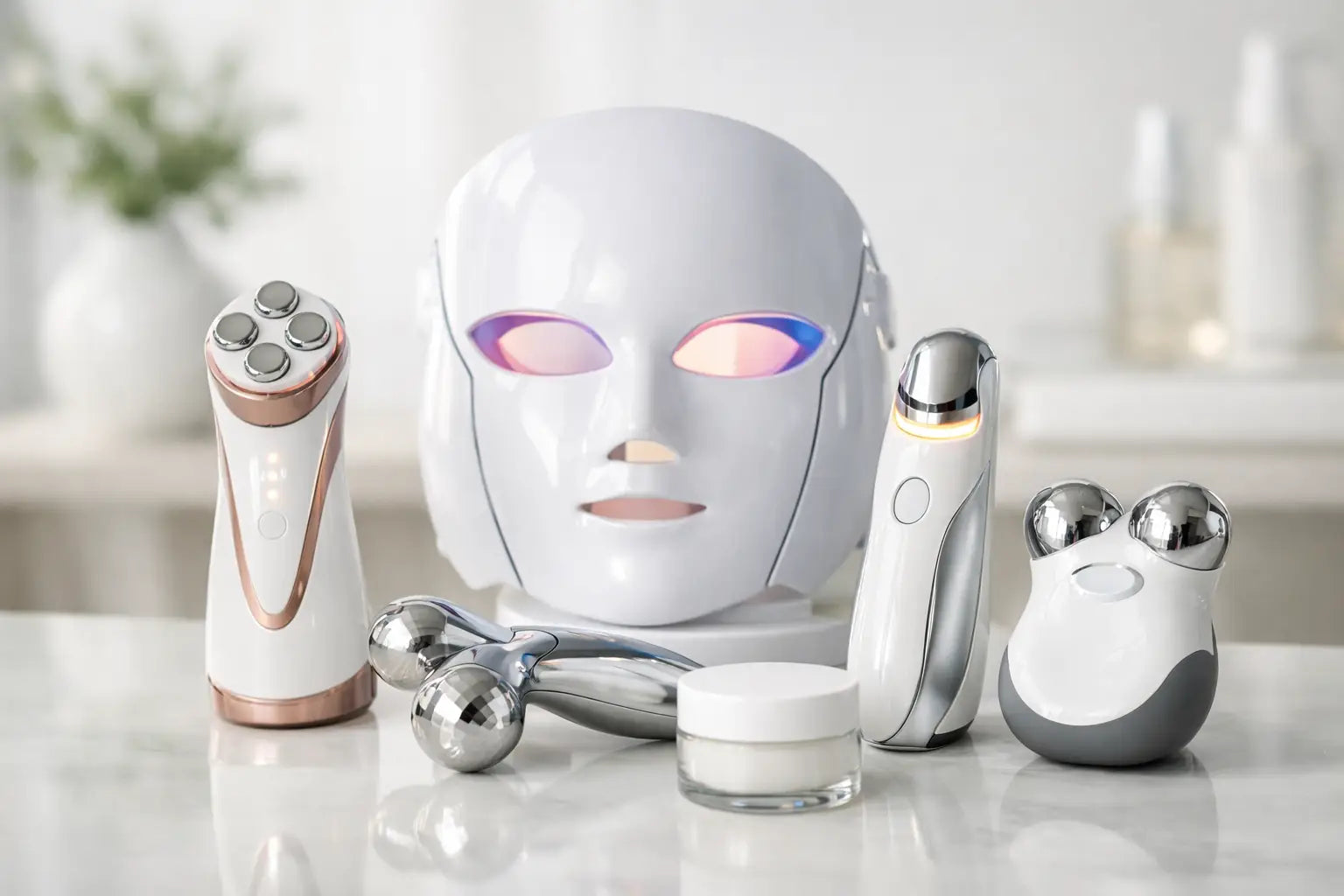
You do not need a standing facial appointment to make real progress with your skin. The right at home anti aging devices can turn 10 focused minutes into a routine that supports smoother-looking skin, better tone, and a more consistent self-care habit that actually fits your week.
That is the real appeal. These tools are not about chasing perfection or replacing a dermatologist. They are about bringing effective, easy-to-use technology into your daily rhythm so you can stay consistent without adding another complicated step to your schedule.
Why at home anti aging devices are getting so popular
People want results they can work into real life. That means tools you can use before bed, after a workout, or while winding down on the weekend. At home anti aging devices fit that shift perfectly because they bring beauty and wellness into the same space.
For many people, skin goals are tied to bigger lifestyle goals. You want to look more refreshed, but you also want routines that feel grounding, efficient, and sustainable. That is why these devices appeal to the same person who keeps a yoga mat in the living room, uses recovery tools after strength training, and prefers smart self-care over occasional splurges.
There is also a practical angle. In-office treatments can be effective, but they are not always realistic for your calendar or budget. Home devices give you more control. The trade-off is that results usually depend on steady use over time rather than one dramatic session.
The main types of at home anti aging devices
Not every device works the same way, and that matters when you are deciding what belongs in your routine.
Red light therapy devices
Red light therapy is one of the most popular categories for a reason. It is easy to use, non-invasive, and supports skin that looks calmer, brighter, and more refreshed over time. Many people use red light therapy to help with the appearance of fine lines and overall skin tone, while also enjoying the relaxing feel of the routine itself.
This category often fits well for people who want a low-effort option. You typically sit or rest with the device for a set number of minutes and let the session do the work. It is not instant, but it is approachable, which makes consistency easier.
Microcurrent devices
Microcurrent tools use low-level electrical currents to stimulate facial muscles. The big appeal here is a more toned, lifted look. If your goals are facial contour, firmness, and a quick post-use refresh, this category tends to stand out.
The catch is that technique matters. You need to follow instructions, use the right conductive gel if required, and stay regular with treatments. For some users, that feels worth it. For others, it can be one extra step too many.
Radio frequency devices
Radio frequency devices use heat to support firmer-looking skin. People often choose them for areas where skin texture and elasticity are top concerns. This category can feel a little more advanced, and it usually appeals to shoppers who want a stronger treatment feel at home.
It is a good example of where expectations matter. These devices can be a strong addition to a routine, but they are still home tools, not clinical procedures. Used correctly, they can support gradual improvement, not overnight transformation.
LED masks and handheld skin tools
LED masks often focus on ease. You put the mask on, follow the timing, and let the treatment happen. Handheld tools can be more targeted, which is helpful if you want flexibility around specific areas like the forehead, jawline, or around the mouth.
The decision here usually comes down to your routine style. If you want something passive and easy to repeat, a mask may be the better fit. If you like control and precision, a handheld tool may make more sense.
How to choose the right device for your routine
The best device is not always the one with the longest feature list. It is the one you will actually use.
Start with your main goal. If you want overall skin support and a calm, simple ritual, red light therapy often makes sense. If you are focused on firmness and facial definition, microcurrent may be more appealing. If you want a stronger treatment category and do not mind a more involved process, radio frequency might be worth considering.
Then think about your schedule. A device that delivers great benefits on paper will not help much if it sits in a drawer. Some people want a 5-minute routine. Others are happy with 15 to 20 minutes a few times a week. Be honest about what feels realistic.
Comfort matters too. If a device feels intimidating, complicated, or hard to maintain, it can quietly fall out of your routine. Wellness works better when it feels integrated, not forced.
What results can you realistically expect?
This is where a lot of shoppers get tripped up. At home anti aging devices can absolutely support visible improvements, but they work best when your expectations match the category.
You may notice better-looking skin tone, smoother texture, a more rested appearance, and subtle improvements in firmness over time. Those are meaningful results, especially when they come from a routine you can maintain at home.
What you should not expect is a dramatic one-time change that replaces professional treatment. Home devices are designed for consistency and convenience. Their strength is cumulative progress.
That is not a downside. For many people, the ability to build steady results at home is exactly the point. A routine you can repeat is often more valuable than an occasional treatment you never have time to book.
Building a routine that actually lasts
The smartest way to use these devices is to make them part of habits you already have. Pair your session with your nighttime skincare routine, your post-shower wind-down, or the same time slot you use for stretching or recovery.
This is where beauty and wellness naturally meet. If you already care about mobility, recovery, sleep, and feeling strong in your body, skin health fits right into that bigger picture. Looking refreshed is nice. Feeling consistent and in control of your routine is even better.
You do not need a packed lineup of tools to get started. One well-chosen device can be enough. In fact, keeping it simple often leads to better follow-through.
If you do build out a more complete home routine, think in layers rather than excess. A red light therapy tool might support skin appearance while also fitting into a broader self-care setup that includes recovery and relaxation. That kind of routine feels easier to maintain because each tool has a clear role.
A few smart buying considerations
Before you buy, look closely at usability. Ask yourself how often you are supposed to use the device, how long each session takes, and whether any extras are required. A sleek device is only a good investment if it fits your lifestyle.
It also helps to buy from a brand that understands wellness as a whole, not just beauty in isolation. That is one reason shoppers are drawn to curated stores like Best Fit & Healthy. When skin tools sit alongside recovery and home wellness essentials, it becomes easier to create a routine that supports how you look and how you feel.
And yes, patience counts. If you tend to give up on products after a week, choose the easiest format possible. Convenience is not a small detail. It is often the difference between a device that helps and one that collects dust.
Are at home anti aging devices worth it?
For the right person, yes. If you want more control over your routine, prefer at-home wellness over constant appointments, and are willing to stay consistent, these devices can be a smart addition to your lifestyle.
They work especially well for people who see self-care as part of everyday health, not a once-in-a-while treat. That mindset changes everything. You are not buying a miracle. You are choosing a tool that supports better habits, better consistency, and skin that reflects the way you care for yourself.
The best routines are the ones you can come back to again and again. Choose a device that fits your goals, your schedule, and your energy, and let the results build from there.
Share:
Cold Water Therapy Guide for Daily Recovery
Red Light Therapy vs Infrared Explained