
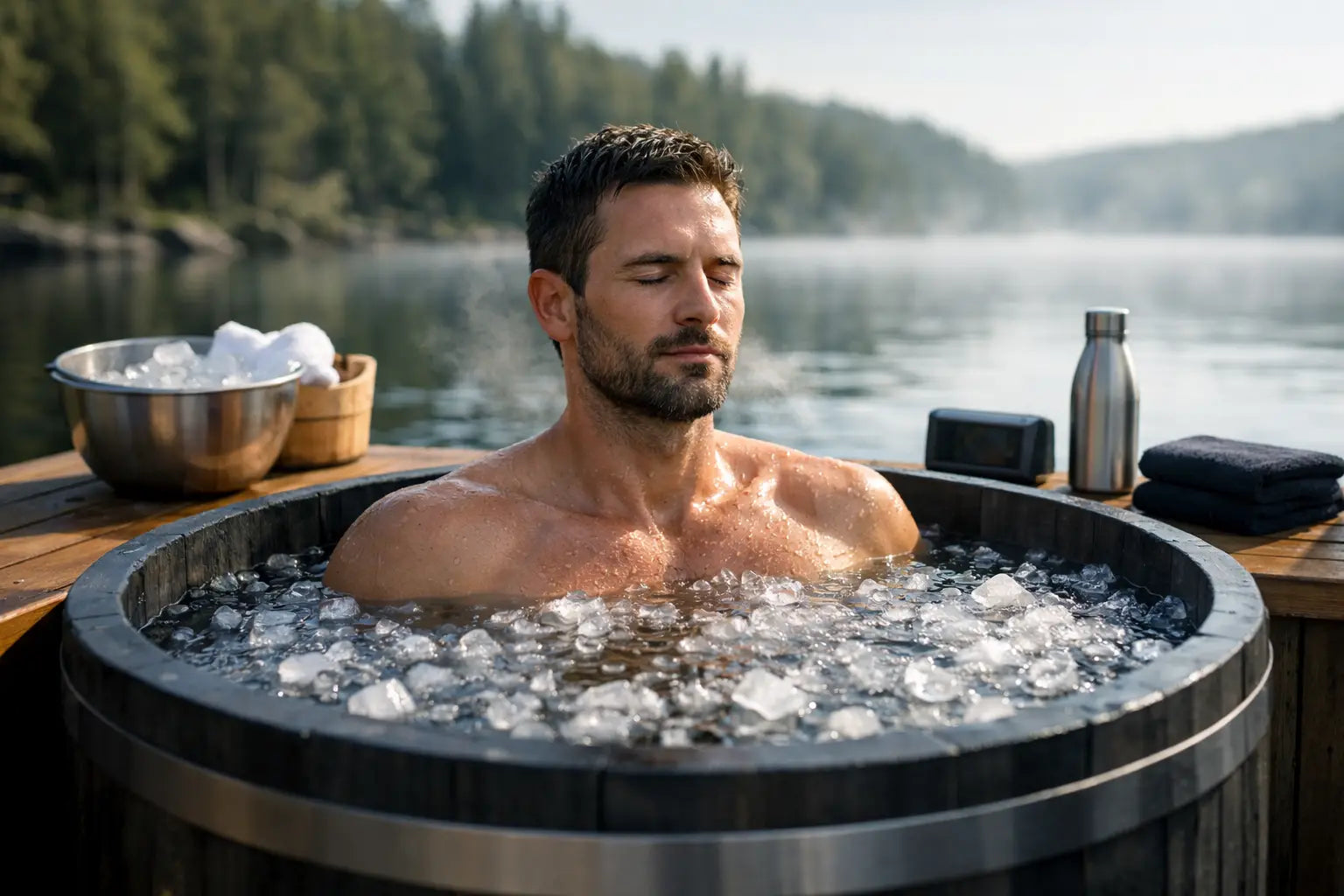
That first 30 seconds of cold can feel like a full-body argument with yourself. Then your breathing settles, your mind sharpens, and you step out feeling more awake, clear, and reset than you did going in. A good cold water therapy guide is not about proving how tough you are. It is about using cold exposure in a smart, sustainable way to support recovery, energy, and daily wellness at home.
For a lot of people, cold water therapy sounds appealing until it is time to actually turn the dial. That hesitation is normal. The good news is that you do not need an ice-filled barrel in your backyard or an extreme routine to get real benefits. You need a simple plan, a little consistency, and a clear sense of when cold helps most.
What cold water therapy actually does
Cold water therapy is any intentional exposure to cold water for a short period of time. That can mean a cold shower, an ice bath, a cold plunge, or even targeted cold exposure after a workout. The goal is not to stay cold for as long as possible. The goal is to create a short, controlled stress that your body can adapt to.
When you get into cold water, your blood vessels narrow, your breathing speeds up, and your nervous system becomes more alert. Once you get out and start warming up again, circulation shifts, and many people notice they feel energized, less puffy, and mentally refreshed. Athletes often use it for post-workout recovery, but you do not need to train hard every day to enjoy the effects.
Cold exposure can be helpful for soreness, swelling, and that heavy, sluggish feeling that shows up after intense movement. Some people also use it to boost focus in the morning or as part of a wellness routine that helps them feel more resilient. What it does not do is magically fix every recovery issue. If your sleep, hydration, and training habits are all over the place, cold water will not carry the whole routine on its own.
Cold water therapy guide: benefits that matter most
The most practical benefit is recovery. After a hard workout, cold water may help reduce muscle soreness and calm that inflamed, overheated feeling. If you do strength training, running, cycling, Pilates, or long walks, that can make your body feel more ready for the next session.
There is also the mental side. Cold water has a very immediate effect on alertness. Many people describe it as a reset button for mood and focus. That does not mean every session feels peaceful in the moment, especially at first. But learning to breathe through discomfort can make the rest of the day feel easier to manage.
Some people also like cold exposure for how it supports a fresh, toned feeling in the body. It can temporarily reduce puffiness and leave you feeling tighter and more awake, which fits naturally into a wellness routine that includes movement, mobility, and self-care. That is part of the appeal for at-home wellness - one practice can support recovery, energy, and how you feel in your skin.
Still, benefits depend on your goal. If your priority is relaxation before bed, a freezing shower right before sleep may not be your best move. If your goal is to feel energized before work, it may be exactly right. Context matters.
The best ways to start at home
If you are new to this, start with a cold shower. It is the easiest entry point, and for most people it is much more realistic than a full ice bath. Begin with your normal warm shower, then switch to cold for the last 15 to 30 seconds. Focus on slow exhales. Over time, work your way up to 60 to 90 seconds.
A cold plunge or ice bath gives a stronger effect, but it also asks more from you physically and mentally. If you go that route, keep it simple. Water that feels clearly cold is enough. It does not need to look dramatic to be effective. Short sessions are usually the smartest place to begin, especially if you are building confidence.
Consistency matters more than intensity. Three manageable sessions a week will usually serve you better than one heroic plunge followed by two weeks of avoiding it. The best routine is the one you can repeat without turning it into a stressful event.
How long and how cold should it be?
This is where people often overdo it. More is not automatically better.
For beginners, cold showers for 30 to 90 seconds are enough to build tolerance. If you are using a tub or plunge setup, even a brief session can feel intense. A few minutes is often plenty for general wellness and recovery. You do not need to chase extremes to make the routine worthwhile.
Water temperature depends on your experience and comfort. If the water feels uncomfortably cold but still manageable with controlled breathing, you are likely in a useful range. If you panic, tense up completely, or feel unsafe, it is too much. Your nervous system should be challenged, not overwhelmed.
A good rule is to finish feeling invigorated, not wrecked. If you step out shivering uncontrollably for a long time or feel drained afterward, scale back next time.
When to use cold water therapy
Timing changes the result. After intense workouts, cold water can be a strong recovery tool, especially when your legs feel beat up or your whole body feels inflamed. It can be especially appealing after cardio, conditioning, or long sessions that leave you overheated.
Morning cold exposure tends to work well for energy and focus. It wakes you up quickly and can create a sense of momentum for the rest of the day. That is one reason it fits so naturally into a home wellness routine. It does not require a major block of time, just a few intentional minutes.
There are also moments when cold may not be the best fit. Right after certain strength sessions, some people prefer to hold off if their top priority is maximizing muscle-building adaptations. This is one of those it-depends areas. If you are training hard for hypertrophy and following a structured lifting plan, frequent post-lift cold exposure may not always be ideal. If your bigger goal is feeling better, reducing soreness, and recovering for daily life, the trade-off may be worth it.
Safety first, always
Any useful cold water therapy guide should be honest about this part. Cold exposure is not for everyone, and it should never feel reckless.
If you have a heart condition, circulation issues, uncontrolled high blood pressure, nerve problems, or are pregnant, it is smart to talk to a healthcare professional before starting. The initial cold shock can be intense, especially if you jump in too fast.
Never force long sessions. Never do cold exposure alone if you are trying a deep plunge for the first time. Do not use alcohol before cold exposure, and get out right away if you feel dizzy, numb beyond normal discomfort, confused, or short of breath in a way you cannot control.
The goal is to support your body, not test your limits every time.
How to make cold water therapy a routine you actually keep
The easiest way to stay consistent is to connect cold exposure to a habit you already have. That might mean ending three showers a week with cold water, using it after your toughest workout day, or making it part of your Sunday reset routine.
It also helps to keep the bigger picture in mind. Cold water therapy works best when it supports the rest of your wellness habits. Think movement, hydration, mobility, quality sleep, and recovery tools you can use at home without adding friction to your day. That is where a curated wellness setup really helps - you are not trying random trends, you are building a routine that fits your real life.
If you are creating that kind of space at home, Best Fit & Healthy speaks to the right mindset: practical tools that help you recover faster, move better, and feel stronger every day. Cold therapy makes the most sense when it feels accessible, not complicated.
Cold water therapy guide: what to expect in the first few weeks
The first week is usually about managing the mental resistance. The water feels colder than expected, your breathing wants to speed up, and you may question why you started. Stay with short sessions and focus on calm exhales.
By the second or third week, many people notice they settle into the cold faster. The dread drops a little. You may start looking forward to the refreshed feeling afterward, especially on busy mornings or after demanding workouts.
Over time, confidence builds. That does not mean every session feels easy. It means you know what to do when your body reacts. That sense of control is part of the benefit.
Cold water therapy does not need to be extreme to be effective. If it helps you recover with less friction, feel more energized, and stay connected to your health routine, it is doing its job.
Share:
How to Improve Posture at Home
Best At Home Anti Aging Devices