
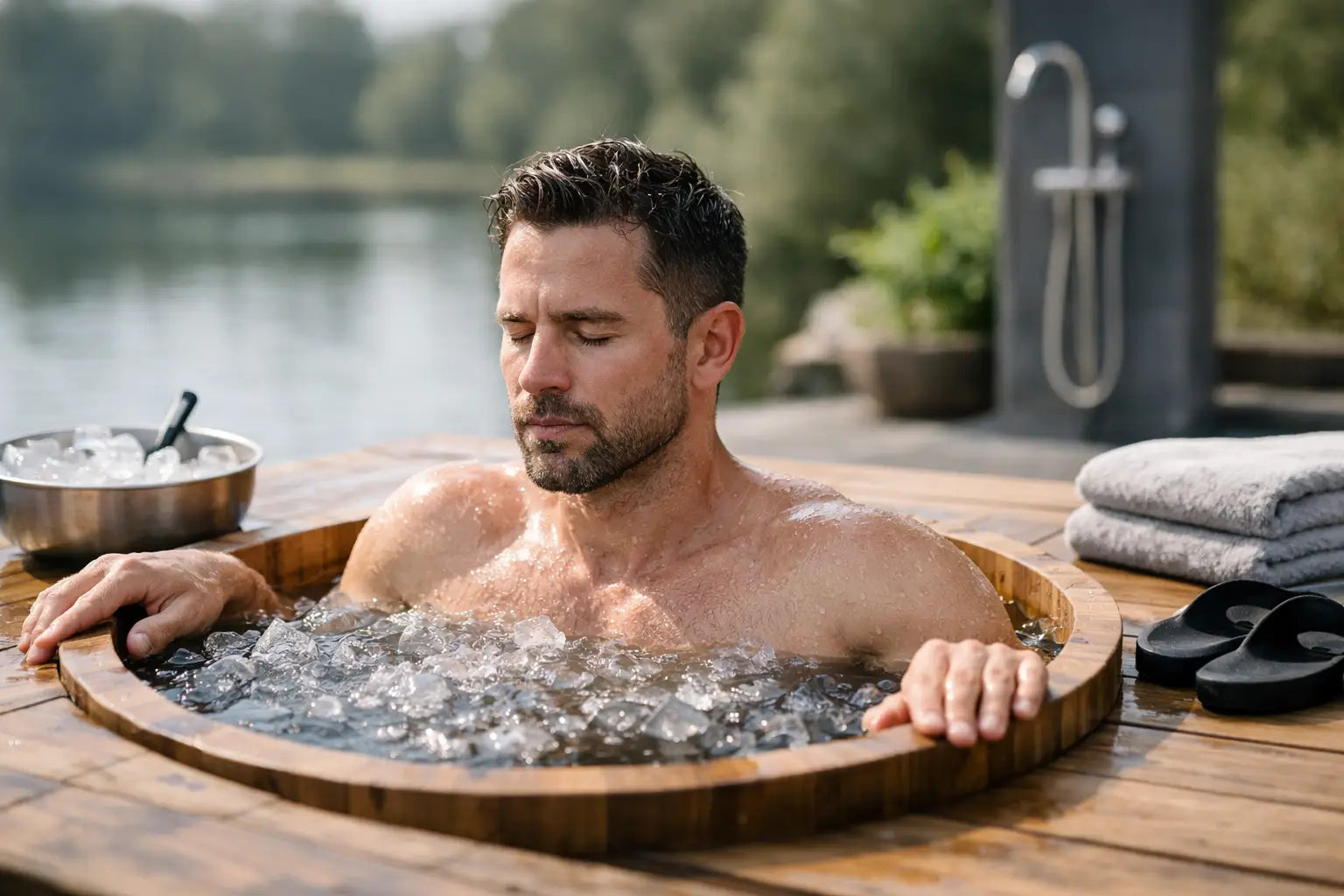
That first step into cold water is always a mental game. Your body wants comfort, your breath gets jumpy, and your brain starts negotiating an early exit. If you're wondering how to start cold plunging, the key is not to force intensity right away. The smartest approach is to make it simple, controlled, and easy to repeat.
Cold plunging has earned its place in modern recovery routines because it can feel energizing, refreshing, and surprisingly grounding when done well. For people building an at-home wellness setup, it also fits naturally alongside movement, mobility work, and recovery habits that support feeling stronger day to day. The goal is not to prove toughness. The goal is to create a routine that helps you recover better and stay consistent.
Why people start cold plunging
Most people are not doing cold plunges just for the challenge. They want the after-effect. That alert, reset feeling. The sense that muscle fatigue eases off a bit. The mental win of doing something uncomfortable on purpose.
For active adults, cold exposure can be a practical recovery tool after workouts, long workdays, or moments when the body feels inflamed and heavy. Some people also like it as part of a broader wellness routine that includes stretching, sauna sessions, breathwork, or red light therapy. It can become one more way to support energy, resilience, and recovery at home.
That said, expectations matter. Cold plunging is not a miracle fix, and it is not right for every person in every situation. Some people love the mood and recovery benefits. Others find that shorter, less intense sessions work better than dramatic ice baths. It depends on your body, your health status, and what you're trying to get out of it.
How to start cold plunging without overdoing it
The biggest beginner mistake is going too cold for too long. That usually turns the experience into a stress test instead of a sustainable habit. If you want cold plunging to become part of your lifestyle, start with manageable exposure.
A beginner-friendly range is often around 50 to 60 degrees Fahrenheit. That may not sound extreme, but it is plenty cold enough to feel the effect. You do not need a tub packed with ice on day one. In fact, milder temperatures often help people learn how to stay calm, breathe steadily, and build confidence.
For timing, start with 30 seconds to 2 minutes. That is enough for a first few sessions. Once that feels doable, you can gradually work toward 2 to 5 minutes. Many people never need more than that. Longer is not automatically better, especially if your body is tensing up and your breathing falls apart.
Frequency also matters. Two to four sessions per week is a realistic starting point for most people. That gives you enough repetition to adapt without making the routine feel like a daily battle.
Set up your first plunge the easy way
Your setup should make the habit easier, not more complicated. If you are using a tub at home, focus on consistency and comfort around the experience. Have a towel ready, warm dry clothes nearby, and a clear plan for getting in and out safely.
If you are new, avoid the dramatic social media version of cold plunging. You do not need ice floating to the top. You do not need a stopwatch performance. You need cold water, a controlled environment, and enough privacy to pay attention to your body.
Try entering slowly rather than dropping in fast. Once you are in, keep your shoulders relaxed and focus on slow breathing. The first 15 to 30 seconds are often the hardest. After that, many people feel a shift where the panic drops and the body starts settling into the experience.
Breathing makes a big difference
If cold plunging feels chaotic, your breath is usually the first place to look. Cold water naturally triggers a gasp response, especially at the beginning. You cannot always stop that first reaction, but you can shorten it by focusing on slower exhales.
A simple approach is to inhale through the nose if possible, then exhale longer than you inhale. Think calm, controlled, and steady. You are trying to signal safety to your body, not win a struggle against the water.
This is one reason beginners often do better with slightly warmer cold water. It gives you space to practice staying composed. Once you can control your breathing, cold plunging starts to feel more intentional and less like a shock event.
When to cold plunge and when to wait
The best time to plunge depends on your goal. If you want a wake-up effect, morning cold exposure can feel powerful. It can sharpen your focus and set a strong tone for the day. If your goal is recovery, a plunge after training or later in the day may feel better.
There are trade-offs, though. Some people enjoy a plunge after strength training, while others prefer to space it away from lifting sessions depending on their performance goals. If you're training hard for muscle growth, timing may matter more. If your priority is general recovery, reducing soreness, or building a wellness habit, you have more flexibility.
It is also smart to avoid cold plunging when you are already chilled, run down, or feeling unwell. The same goes if you have been drinking alcohol. Cold exposure asks your body to respond to stress, so it is best done when you are alert and stable.
Safety comes first
If you have a heart condition, circulation issues, blood pressure concerns, or any medical condition that could make cold exposure risky, talk to your healthcare provider before starting. That is especially important if you are taking medications that affect cardiovascular function.
Even for healthy adults, safety basics matter. Never cold plunge alone if you are trying a new depth or lower temperature. Do not stay in until you feel numb, dizzy, or disoriented. Get out immediately if your body feels like it is no longer responding normally.
The goal is controlled discomfort, not distress. There is a big difference.
What to do right after
Once you get out, dry off and warm up gradually. You do not need to jump into a blazing hot shower right away unless that feels best for you. Many people like to let their body warm itself with movement, dry layers, and a warm room.
A light walk, easy mobility work, or a few minutes of calm activity can help you transition comfortably. Pay attention to how you feel in the 10 to 20 minutes after. A good cold plunge usually leaves you feeling alert and refreshed, not shaky and depleted.
This is where routine design matters. The best recovery habits are the ones you actually want to repeat. If your setup leaves you dreading the aftermath, adjust it. Better towels, easier access, and a cleaner post-plunge routine can make a big difference.
How to build a cold plunging routine that lasts
The people who stick with cold plunging are usually not the ones chasing extremes. They are the ones who make it fit their life. That might mean a quick plunge after workouts, a short morning session a few times a week, or pairing it with mobility and recovery work on lower-intensity days.
Think in terms of rhythm rather than intensity. A repeatable 2-minute plunge at a manageable temperature will do more for your routine than one heroic session followed by two weeks of avoidance.
This is also where having the right at-home wellness tools matters. A well-designed recovery space makes it easier to stay consistent because the friction is lower. Best Fit & Healthy is built around exactly that kind of daily wellness integration, where recovery does not feel like a special event but part of how you move, recharge, and take care of yourself.
Signs you're progressing the right way
Progress in cold plunging is not just staying in longer. It can also look like calmer breathing, less mental resistance, better consistency, and a more comfortable recovery afterward. You may notice that the first contact with the water feels less dramatic or that you stop dreading the setup.
If you want to advance, lower the temperature slightly or add a little more time, but not both at once. Small changes are easier to tolerate and easier to evaluate. If your sleep, energy, or overall stress starts feeling worse, pull back. More stress is not always better stress.
Cold plunging works best when it supports your life, not when it takes over your recovery routine. Start steady, stay aware of your body's signals, and let the habit earn its place. The real win is creating a wellness practice you can come back to again and again.
Share:
Red Light Panel vs Mask: Which Fits You?
7 Benefits of Red Light Therapy