
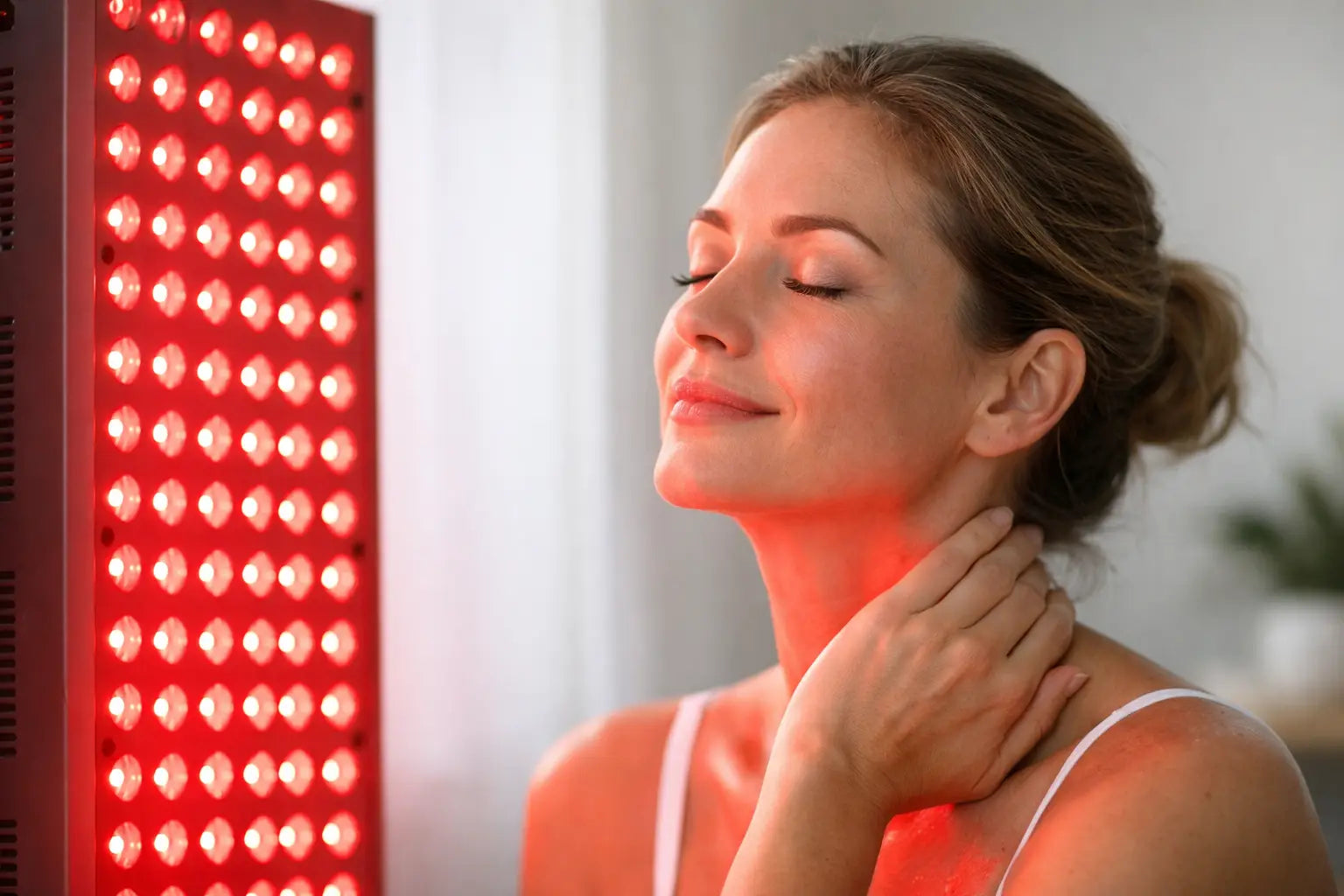
A hard workout, a long day at your desk, and one look in the mirror can all point to the same thing - your body is asking for better recovery. That is exactly why the benefits of red light therapy have become such a big part of modern at-home wellness. It fits into real life, supports how you want to feel and look, and gives you a simple way to add recovery and self-care to your routine without booking appointments or rearranging your schedule.
Red light therapy is popular for a reason. It is easy to use, non-invasive, and flexible enough to support several wellness goals at once. For some people, that means less post-workout stiffness. For others, it means giving their skin routine an extra edge. The biggest advantage is that it can work well for people who want practical wellness habits they can actually maintain.
What red light therapy actually does
Red light therapy uses specific wavelengths of light to expose the skin and underlying tissue to low-level light energy. Unlike treatments that rely on heat or abrasion, this approach is designed to be gentle. The goal is to support natural cellular activity, which is why red light therapy often shows up in conversations around recovery, skin appearance, and daily vitality.
That does not mean every session creates dramatic overnight changes. Like most wellness tools, results depend on consistency, device quality, treatment area, and your individual goals. Used regularly, though, it can become one of those small habits that makes your whole routine feel more complete.
7 benefits of red light therapy
1. It can support muscle recovery
If you exercise regularly, recovery matters just as much as the workout itself. One of the most talked-about benefits of red light therapy is its potential to help with post-exercise recovery by supporting circulation and easing the feeling of muscle fatigue.
That can be especially useful if you are balancing strength training, Pilates, running, or yoga through the week. A recovery tool that fits into your home routine makes it easier to stay consistent, which often matters more than chasing perfect conditions.
2. It may help reduce temporary soreness and tension
Feeling tight through your shoulders, back, or legs after training or long hours sitting is common. Red light therapy is often used by people who want a calming recovery step that helps them feel looser and more comfortable.
This is where expectations matter. It is not a replacement for mobility work, good sleep, hydration, or smart programming. But as part of a broader recovery plan, it can help take the edge off the wear and tear that builds up across a busy week.
3. It can improve the look of skin
Red light therapy is not only about workouts and recovery. It has also become a go-to option for people who want to support smoother, healthier-looking skin at home. Many users turn to it to help with the appearance of fine lines, uneven tone, and overall skin texture.
That crossover between beauty and wellness is a big reason it fits so well into modern routines. You are not choosing between performance and self-care. You are building habits that support both, which makes the tool feel more valuable over time.
4. It may support a brighter, more refreshed appearance
Some wellness tools feel like work. Red light therapy tends to feel more like a reset. Regular sessions can help skin look more refreshed, which is one reason people use it before events or as part of a steady weekly beauty routine.
The effect is usually gradual, not dramatic after one use. Think of it as a consistency-based tool. If your goal is healthier-looking skin over time, it tends to work best when paired with a smart skincare routine, hydration, and sun protection.
5. It can promote relaxation
Not every benefit needs to be visible in the mirror or measurable in the gym. Sometimes the win is simply creating space to slow down. Sitting in front of a red light device for a few minutes can become a calming ritual that signals your body it is time to recover.
That matters more than people think. Stress affects sleep, recovery, motivation, and how your body feels day to day. A tool that supports relaxation while also fitting into a broader wellness routine can pull double duty in a very practical way.
6. It may help support circulation
Good circulation plays a role in how your body recovers and how energized you feel. Red light therapy is often used to support healthy blood flow in treated areas, which is one reason it shows up in both performance and beauty conversations.
For active adults, that can make it appealing as part of a pre- or post-workout setup. For others, it is simply about adding another supportive layer to daily wellness. The point is not to overcomplicate it. Better routines are usually the ones you will actually keep.
7. It makes professional-style wellness more accessible at home
One of the most practical benefits of red light therapy has nothing to do with biology and everything to do with consistency. When a wellness tool lives in your home, you are much more likely to use it. No commute, no appointment, no trying to squeeze one more stop into the week.
That convenience is a real advantage. At-home devices can help turn wellness from an occasional treat into a regular habit. And when something becomes part of your routine, the long-term value tends to go up fast.
Who benefits most from red light therapy?
Red light therapy can fit a wide range of lifestyles, but it tends to be especially appealing for people who already care about movement, recovery, skin health, and feeling good in their body. If you work out at home, deal with muscle tightness, want a more elevated self-care routine, or prefer wellness tools you can use on your own schedule, it makes a lot of sense.
It is also a good fit for people who like efficient habits. You do not need a complicated setup to make use of it. A few regular sessions each week can feel manageable, which is often the difference between a product that collects dust and one that becomes part of your normal rhythm.
What to expect from an at-home device
At-home red light therapy is about steady progress, not instant transformation. That is true whether your goal is recovery, skin support, or overall wellness. The best results usually come from using a quality device consistently and following the recommended session length and distance.
It also helps to think about where red light therapy fits in your day. Some people use it after workouts to support recovery. Others use it in the evening as part of a wind-down routine or in the morning to start the day with a focused self-care habit. The best time is usually the one you can stick with.
A few realistic trade-offs to keep in mind
Red light therapy is easy to like, but it is still worth being realistic. It is not magic, and it is not the right answer for every goal. If you expect one session to erase soreness, change your skin overnight, or replace better sleep and movement habits, you will probably be disappointed.
Device quality also matters. So does consistency. A well-made at-home option from a wellness-focused brand like Best Fit & Healthy can make the experience more practical and more enjoyable, but the bigger point is this: results come from using the tool regularly, not just owning it.
If you have a medical condition, are pregnant, or have concerns about light sensitivity, checking with a healthcare professional is the smart move before starting.
How to make red light therapy part of your routine
The easiest way to get value from red light therapy is to attach it to habits you already have. Use it after training, while doing your evening skincare, or during the same part of your schedule a few days each week. Wellness routines work better when they feel easy, not when they ask for extra willpower every time.
You can also pair it with the kind of habits that support your bigger goals: mobility work, hydration, sleep, strength training, stretching, and recovery days that actually feel restorative. Red light therapy works best as part of a bigger picture - one where you are investing in how you move, how you recover, and how you show up each day.
The best wellness tools are the ones you return to because they make your life feel better, not more complicated. Red light therapy earns its place by helping recovery, supporting skin, and bringing a little more intention to everyday self-care.
Share:
How to Start Cold Plunging Safely
Red Light Therapy Before After Results