
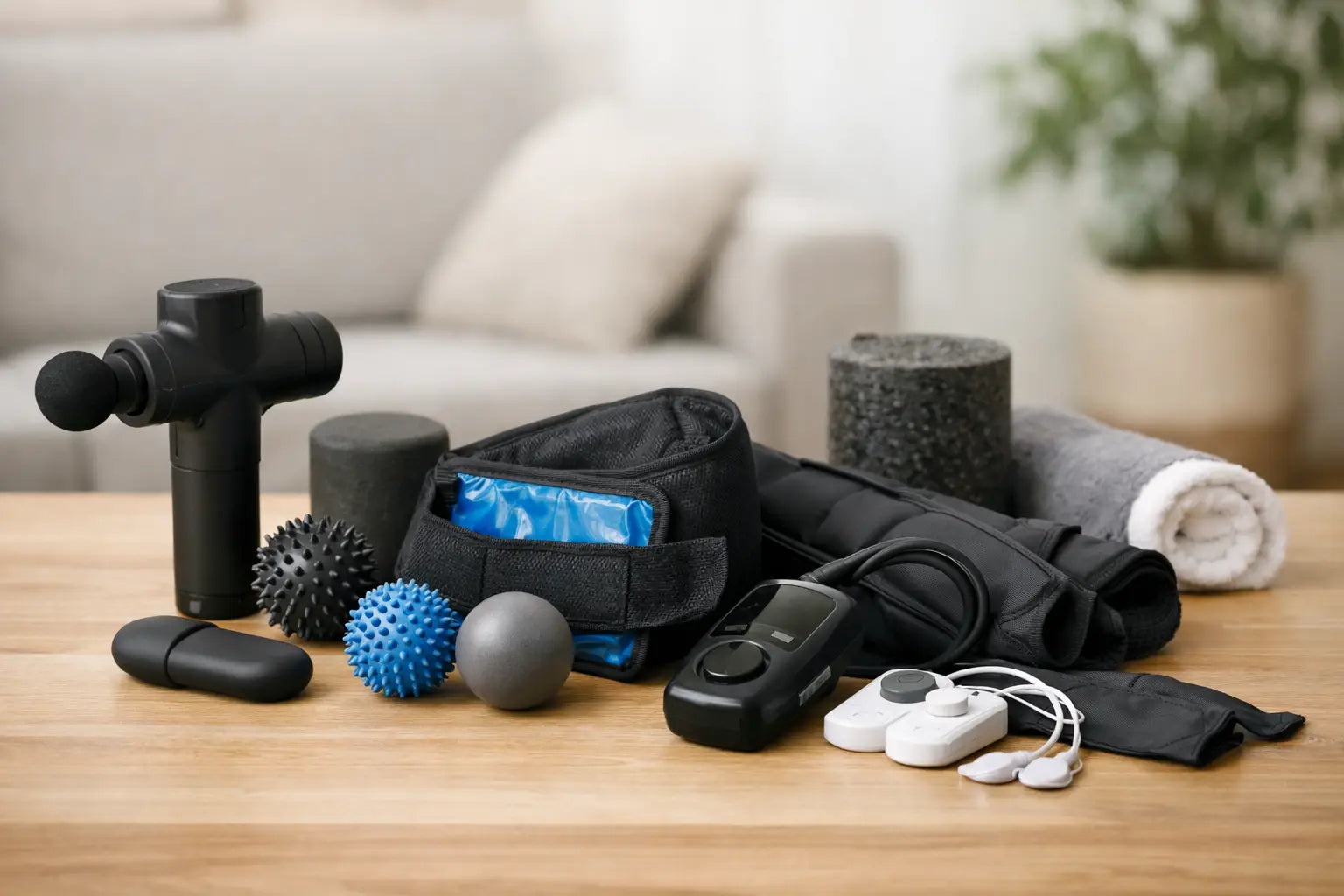
A hard workout, a long day at your desk, or even a restless night can show up fast in your body. The right at home recovery tools help you do something about it without booking an appointment, leaving the house, or turning recovery into another chore.
That is the real appeal of building a recovery routine at home. It fits into real life. You can loosen tight muscles before work, support mobility after a training session, or add a few minutes of self-care before bed. The best tools are not just trendy purchases. They make it easier to move better, recover faster, and feel stronger on a daily basis.
Why at home recovery tools matter
Recovery used to feel like something reserved for athletes, physical therapy clinics, or luxury spas. Now it is part of everyday wellness. If you exercise regularly, sit for long stretches, deal with stress, or simply want your body to feel less stiff and more supported, recovery deserves a place in your routine.
The biggest advantage of at home recovery tools is consistency. A single massage or studio session can feel great, but the benefits often come from what you do repeatedly. Having tools within reach makes it more likely that you will use them for five or ten minutes at a time, which is often enough to make a real difference.
There is also a lifestyle benefit. Recovery is no longer separate from fitness, beauty, or longevity goals. The same person who wants less post-workout soreness may also want better posture, improved circulation, calmer evenings, and healthier-looking skin. A smart at-home setup can support all of those goals together.
The best at home recovery tools for different goals
Not every tool does the same job, and that is where people often overspend. The right choice depends on what you want to improve most.
For muscle tension and soreness
Massage guns are a popular choice for a reason. They are quick, easy to use, and effective for targeting tight areas like quads, calves, shoulders, and upper back muscles. If you want something that feels powerful and efficient, this is often the first tool people reach for.
That said, more intensity is not always better. Some people love deep percussive pressure, while others find it too aggressive, especially in sensitive areas. If your body tends to respond better to slower, more controlled pressure, foam rollers or massage balls may be a better fit. They require a bit more effort, but they give you more control over pressure and positioning.
Compression tools can also help when soreness comes from hard training or long periods on your feet. They are especially appealing if you want a more passive recovery option. You can sit, relax, and let the tool do the work while supporting circulation and reducing that heavy-leg feeling.
For mobility and flexibility
If your body feels stiff more often than sore, mobility-focused tools usually give the best return. Foam rollers, stretching straps, yoga blocks, and mobility balls can help improve range of motion and make movement feel smoother.
These tools are simple, but they work best when you actually use them. A foam roller in the corner of the room does nothing. Five minutes before a workout or a short reset after sitting all day is where the payoff starts. If you already practice yoga or Pilates, these tools blend into your routine naturally and can help you get more out of every session.
It also helps to be realistic. Mobility tools support better movement, but they are not magic fixes for every ache. If a joint feels unstable or pain is sharp and persistent, a tool should not replace proper care.
For circulation, calm, and whole-body recovery
Cold therapy has become a favorite for people who want a stronger recovery ritual. Cold plunges, ice baths, and other cold water therapy tools can help you feel more refreshed, alert, and mentally reset while also supporting post-exercise recovery.
This category is not for everyone. Some people love the challenge and the energizing effect. Others try it once and decide it is not their style. That does not mean it lacks value. It just means the best recovery routine is one you will actually stick with.
On the other side of the spectrum, red light therapy appeals to people who want a low-effort wellness tool with broad lifestyle benefits. Many users turn to it for muscle recovery, relaxation, skin support, and a more elevated self-care routine. It is especially attractive if you want something that feels both fitness-minded and beauty-friendly.
For skin-focused recovery and self-care
Recovery is not only about muscles. For many people, looking refreshed is part of feeling refreshed. Skin rejuvenation tools can support that goal by helping your routine feel more complete.
This is where the modern home wellness space has expanded in a big way. A recovery setup might include a massage tool for sore legs, a red light device for both relaxation and skin appearance, and yoga accessories for mobility. That combination makes sense because people do not separate their goals as neatly as product categories do. They want to feel better, look better, and maintain healthy habits without needing five different stores to make it happen.
How to choose at home recovery tools that fit your life
The smartest place to start is not with the most advanced product. It is with your routine.
Ask yourself when you are most likely to use a tool. If you are always rushing in the morning, a 20-minute setup may sound good in theory but sit untouched in practice. If your evenings are your reset window, that is where a calming recovery tool may fit best.
Next, think about your main friction point. Are you dealing with post-leg-day soreness, desk-related tightness, low energy, poor mobility, or the feeling that your body never quite resets? The clearer the goal, the easier it is to pick a tool you will keep using.
Space matters too. Some tools are compact and easy to store. Others ask for a more permanent setup. There is no wrong answer, but convenience affects consistency. The easier a tool is to grab and use, the more value it tends to deliver.
Price is another real consideration. A premium recovery tool can be worth it if it replaces repeated appointments or becomes part of your weekly routine. But a higher price does not automatically mean better results for your needs. Sometimes the most effective setup is a simple mix of a few versatile tools rather than one expensive centerpiece.
Building a routine that actually sticks
The best recovery routine is usually the one that feels easy to repeat. That means pairing tools with moments that already exist in your day.
Use a massage gun for a few minutes after strength training. Keep a foam roller or mobility ball nearby for quick work breaks. Add red light therapy to your evening wind-down. Use cold therapy when you want a stronger physical and mental reset. These habits do not need to be long to be useful.
It also helps to think in layers. Some tools are active and targeted, like massage devices or rollers. Others are passive and restorative, like compression or light-based wellness tools. A balanced routine often includes both, depending on how your body feels that day.
There is also nothing wrong with adjusting seasonally or based on your training. During higher-intensity workout periods, you may lean harder on muscle recovery tools. During stressful work stretches, calming and restorative options may matter more. Your routine should support your life, not the other way around.
What makes a recovery tool worth buying
A good recovery product should feel approachable, not intimidating. You should know what it is for, how it fits into your routine, and why it is worth the space and money.
That is why curated wellness shopping matters. When a brand brings together recovery, movement, beauty, and daily health tools in one place, it becomes easier to build a routine that feels connected instead of random. Best Fit & Healthy speaks to that shift well because the goal is not just owning more products. It is creating a home wellness setup that supports how you want to feel every day.
The most worthwhile tools are the ones that remove friction. They help you recover without extra appointments, support better movement without complicated protocols, and make self-care feel practical instead of occasional. If a product can do that, it is not just another purchase. It becomes part of the rhythm of your week.
You do not need a perfect recovery room or an oversized wellness budget to feel the difference. Start with the tool that solves the problem you feel most often, use it consistently, and let your routine grow from there.
Share:
Red Light Therapy Before After Results
How to Improve Posture Daily