
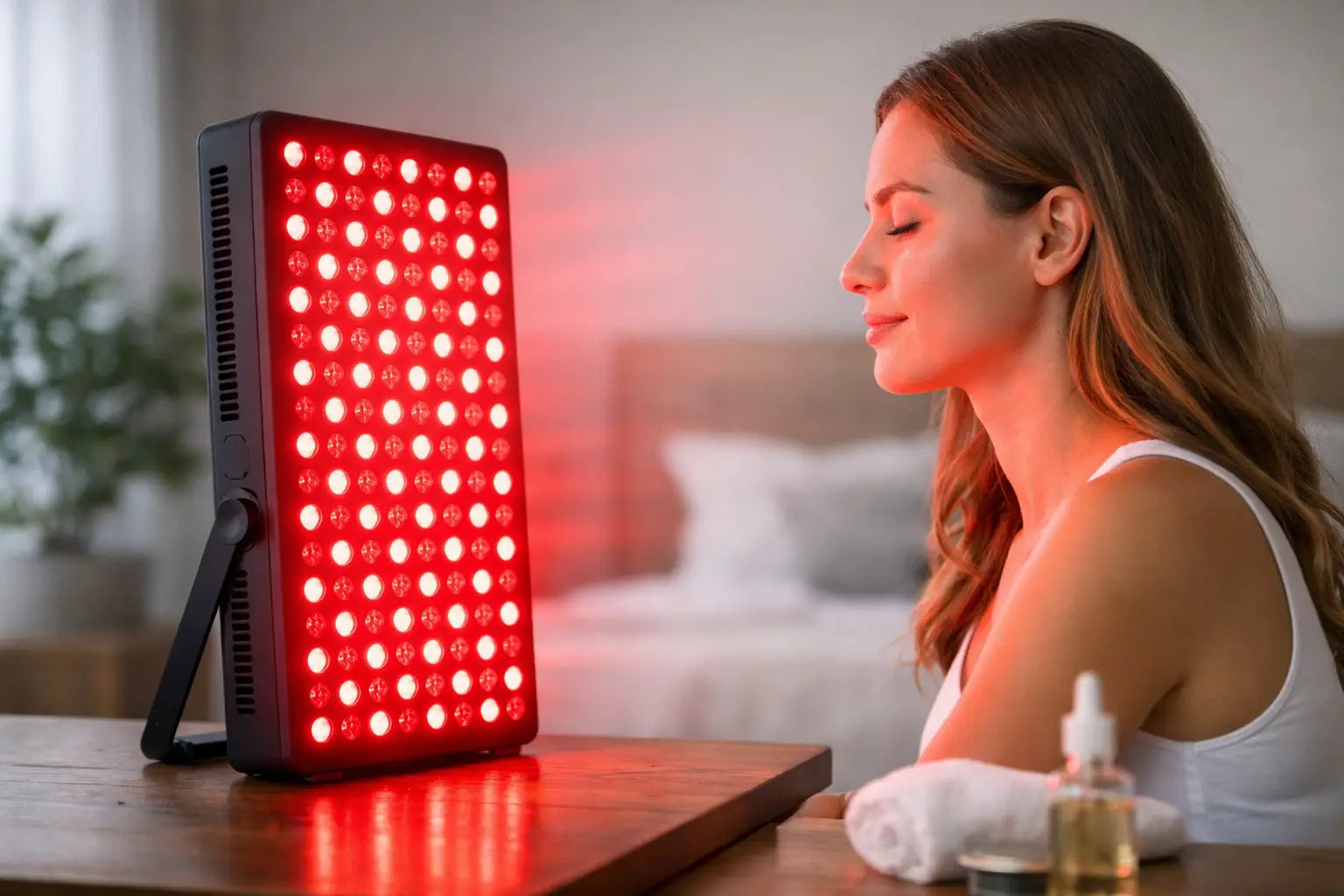
A red light panel can either become the easiest part of your wellness routine or the thing that ends up leaning unused in a corner. The difference usually comes down to choosing a panel that fits real life. This red light panel review for home use is built for people who want something practical - not clinical, not confusing, and not oversized for the space they actually have.
Why a red light panel makes sense at home
At-home wellness works best when it removes friction. That is exactly why red light panels have become so popular with people who train regularly, deal with daily muscle tightness, care about skin appearance, or simply want a recovery tool they can use without booking appointments.
A panel gives you broader coverage than a handheld device, which matters if your goals go beyond spot treatment. If you want to support your back after workouts, use light on your legs after long runs, or add a few minutes of face and neck exposure to your evening routine, a panel is usually the more efficient option. You stand or sit in front of it, keep the routine consistent, and move on with your day.
That convenience is a big part of the appeal. Home use is not about recreating a clinic. It is about creating a routine you will actually keep.
Red light panel review home use: what really matters
The most common mistake shoppers make is focusing on the biggest panel they can afford without thinking about how they will use it. Bigger is not always better if it is too heavy to move, too large for the room, or annoying to set up every time.
For home use, the best panel is usually the one that matches your routine. A compact or mid-size panel works well if your main goals are facial wellness, neck and shoulder tension, or targeted recovery on one area at a time. A larger panel makes more sense if you want to cover bigger areas like quads, glutes, lower back, or most of the front of the body in one session.
Power output matters, but ease of use matters just as much. If a device has confusing controls, awkward mounting, or a timer that feels harder than your workout, it stops feeling like self-care. A good home panel should feel simple. Turn it on, position yourself, set your session, and stay consistent.
Build quality is another factor people notice quickly. A panel used at home should feel stable, not flimsy. It should be easy to place on a door, wall, stand, or tabletop depending on the model. You want something that feels like it belongs in a modern wellness routine, not a gadget you need to troubleshoot every other week.
What benefits people usually want from a home panel
Most shoppers are not buying a red light panel for one reason alone. They want a device that can support recovery after training, help them feel looser and more recharged, and possibly support skin-focused goals at the same time.
For active adults, the recovery angle is often the biggest draw. If you lift, run, cycle, practice yoga, or spend long hours at a desk, your body collects tension. A panel can fit naturally into the moments when you are already winding down - after a workout, after a shower, or before bed.
There is also a strong beauty and self-care appeal. Many people prefer tools they can use consistently at home rather than scheduling treatments outside the house. A panel offers a more lifestyle-friendly approach for people who want to support a healthy-looking glow and make wellness feel more visible in their routine.
The key is expectation. A red light panel is not a one-use miracle. It is a consistency tool. The people who get the most value from it are usually the ones who treat it like brushing their teeth or stretching for ten minutes, not like a once-a-month reset.
Choosing the right size for your space and goals
This is where a red light panel review for home use should get practical. Size affects everything - price, convenience, treatment coverage, and how often you will realistically use the device.
If you live in an apartment, share space, or want something easy to store, a smaller panel often wins. It is more approachable, usually more budget-friendly, and easier to work into a morning or evening routine. You can set it on a counter, desk, or stand and use it without rearranging the room.
A mid-size panel is often the sweet spot for most households. It gives enough coverage for face, upper body, joints, and targeted muscle groups without turning your home into a wellness studio. For many people, this size offers the best balance between performance and lifestyle fit.
Larger panels have clear advantages, especially for full-body recovery goals, but they make the most sense if you have dedicated space and know you will use that level of coverage often. If your routine is inconsistent, a giant panel can become an expensive reminder of good intentions.
Features worth paying for and features you can skip
You do not need every premium feature to get a good experience at home. What you do need is a panel that makes regular use easy.
Look for straightforward timer settings, a shape and mounting option that works with your room, and a design that feels clean and durable. If you plan to use the panel several times a week, comfort and convenience are worth paying for.
Some extra features can be helpful depending on your routine. Adjustable settings may appeal to people who want more control. Quiet operation matters more than most buyers expect, especially if you use the panel early in the morning or while winding down at night. Portability matters if you want to move the panel between rooms.
On the other hand, if a feature sounds impressive but does not improve your actual routine, it may not be worth stretching your budget for. The best home wellness products are the ones that get used consistently, not the ones with the longest spec sheet.
Setting realistic expectations for daily use
A lot of disappointment comes from buying the right category but using it the wrong way. With a red light panel, routine beats intensity. Short, regular sessions usually fit better into real life than long sessions you only do once in a while.
It also helps to pair your panel with an existing habit. Use it after strength training, while doing your skin routine, or during a short evening reset. When it has a place in your day, it stops feeling like another task.
Results depend on your goals, your consistency, and the panel you choose. Someone using it for post-workout support may judge success differently than someone focused on facial wellness or general relaxation. That is normal. Home wellness is personal, and the best device is one that supports your priorities without making your routine harder.
Who should buy a red light panel for home use
If you like efficient wellness tools, a panel makes a lot of sense. It is especially appealing for people who want more than a skincare gadget and more flexibility than an in-person appointment can offer.
It tends to be a strong fit for active adults building a recovery routine at home, busy professionals who want a few minutes of daily self-care without leaving the house, and anyone who likes the idea of one device serving both performance and beauty goals. That crossover is what makes panels stand out.
If you only want occasional spot treatment on a very small area, a handheld device may feel more practical. If you want broader coverage, easier sessions, and a more premium at-home experience, a panel is usually the better choice.
Our take on the best home-use panel mindset
The smartest way to shop is not asking which panel looks the most advanced. Ask which panel fits your room, your schedule, and your goals well enough to become part of your week. That is the real test.
A well-chosen panel can support recovery, encourage consistency, and make your home wellness setup feel more complete. For many people, that mix of convenience and everyday benefit is exactly what makes the purchase worth it. Brands like Best Fit & Healthy speak to that shift well - wellness tools are no longer reserved for clinics or spas. They are becoming part of how people care for themselves at home, on their own time.
If you are considering a panel, keep it simple. Choose the size you will actually use, prioritize ease over hype, and build it into a routine you already enjoy. The best red light panel for home use is the one that helps you feel better often enough that you miss it when it is off.
Share:
A Simple Guide to Home Red Light
Face Roller vs Gua Sha: Which One Fits?