
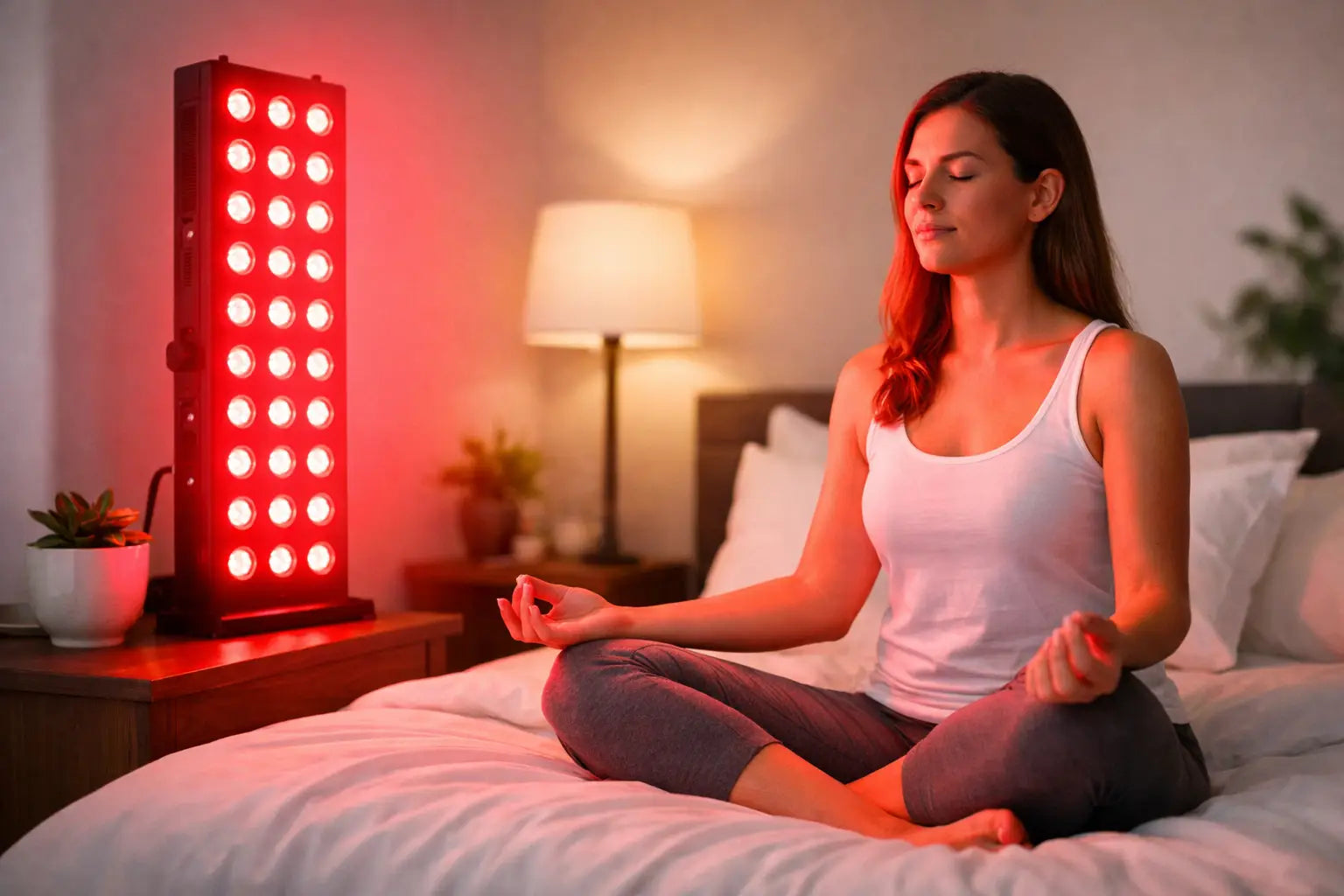
A red light device usually starts as a nice-to-have. Then it becomes the tool you reach for after a hard workout, before bed, or during your skincare routine because it fits real life. That is the appeal behind this guide to home red light - it brings recovery, skin support, and daily wellness into your own space without adding another complicated habit.
Why home red light has become part of modern wellness
People want wellness tools they will actually use. Home red light fits that shift because it is easy to work into routines you already have. A few minutes after training, while reading, or before getting ready for the day can feel more realistic than booking appointments or driving across town for a treatment.
That convenience matters, but so does versatility. Depending on the device and how you use it, red light is often chosen for post-workout recovery, easing areas that feel tight or overworked, and supporting the appearance of healthier-looking skin. For many people, the biggest win is not chasing a perfect routine. It is having one tool that supports several wellness goals at once.
There is also a practical mindset behind the category. If you care about movement, energy, recovery, and skin health, you probably want products that make staying consistent easier. That is where home devices stand out. They help turn self-care into something repeatable instead of something you only do occasionally.
A practical guide to home red light devices
The right device depends less on hype and more on how you want to use it. If your main goal is targeted treatment for the face or a specific area like the neck, shoulders, knees, or lower back, a smaller handheld tool, mask, or focused unit can make sense. These are easier to store, quicker to grab, and often a better fit for people who want short, simple sessions.
If you want broader coverage, a panel-style device is usually the better choice. Panels are more convenient for larger muscle groups and can fit recovery-focused routines well, especially if you train regularly or deal with full-body fatigue. They can also be a stronger option for households where more than one person plans to use the device.
The best choice often comes down to one question: are you trying to treat one area well, or support more of your body in fewer sessions? A small device may be more affordable and less intimidating, but it can feel slow if you eventually want wider coverage. A larger panel can feel like a bigger commitment up front, yet it may save time over the long run.
What to look for before you buy
Shopping for red light devices can get technical fast, and most people do not need a deep engineering lesson to make a smart choice. You do, however, want enough clarity to avoid buying something that looks good online but ends up collecting dust.
First, think about size and setup. A device only helps if it fits your space and routine. If you live in a smaller apartment, want something easy to tuck away, or plan to use it while traveling, compact options have a real advantage. If you have a dedicated wellness corner at home, a larger setup may be easier to use consistently.
Next, think about treatment area. A face-focused device is a different purchase from a recovery-focused panel. If skin appearance is the priority, look for a format that works naturally with your skincare routine. If post-exercise recovery matters more, coverage and ease of use become bigger priorities.
Comfort matters too. You want a device that feels simple to position and easy to use several times a week. That includes practical details like timers, mounting options, portability, and whether sessions feel manageable in your schedule. A premium wellness tool should make your day feel smoother, not more crowded.
How to build a home red light routine you will keep using
The best routine is the one that feels easy enough to repeat. That usually means attaching red light to habits you already have instead of trying to create a whole new ritual from scratch.
If your focus is recovery, use it after training or on rest days when your body feels stiff and worked over. This can pair well with stretching, hydration, or a few quiet minutes to let your system slow down. If your focus is skin support, placing it before your evening skincare routine is often the easiest move. It turns the session into a familiar part of getting ready for bed.
Consistency usually matters more than doing long sessions once in a while. Shorter, regular use tends to be easier for busy people who want results without overthinking every detail. Start simple. Give yourself a realistic schedule that fits your week, then adjust once you know what feels sustainable.
That is where a lot of people get tripped up. They assume a wellness routine has to look impressive to work. It does not. Five to 15 focused minutes used regularly can be far more useful than an ambitious plan you abandon after four days.
Recovery, beauty, and daily wellness - where red light fits best
One reason people stick with home red light is that it can support more than one goal. For active adults, it often becomes part of a recovery routine alongside mobility work, massage tools, or cold therapy. It feels like a natural add-on because it does not demand much effort when you are already tired from training.
For beauty-minded routines, it fits just as well. Many people want at-home tools that support a fresh, healthy-looking appearance without making skincare feel complicated. Red light can slide into that rhythm more easily than treatments that require prep, cleanup, or a lot of downtime.
Then there is the broader wellness angle. Even if you are not chasing athletic performance or a major skincare goal, using a red light device can create a consistent pause in the day. That matters more than it sounds. A short, calming routine can support the bigger lifestyle shift many people are after - less rushing, more intention, and better recovery habits at home.
Common mistakes people make with home red light
The first mistake is buying based on trends instead of routine fit. A device can have impressive marketing, but if it is awkward to use, too large for your space, or not matched to your goals, you probably will not stick with it.
The second mistake is expecting instant change. Home wellness tools usually reward consistency. If you treat red light like a one-time fix, you may end up disappointed. It tends to work best as part of a bigger routine built around movement, sleep, hydration, and daily care.
Another common issue is trying to do too much too soon. If you are new to recovery or beauty devices, keep the process easy. You do not need a packed schedule with ten different tools. A simple, repeatable setup is usually more effective and a lot more enjoyable.
It is also worth remembering that not every device fits every person the same way. Your ideal setup depends on your budget, space, goals, and how much time you realistically want to commit. There is no single perfect answer, only the right fit for your lifestyle.
Is home red light worth it?
If you want a wellness tool that can support recovery, skin appearance, and everyday self-care without forcing clinic visits into your calendar, it often is. The real value is not just the device itself. It is the convenience of being able to use it on your schedule, in your own home, and in a way that feels realistic.
That said, worth depends on use. If you know you prefer low-maintenance habits and want a product that helps you move better, recover faster, and feel stronger every day, home red light can be a smart addition. If you tend to buy aspirational gadgets and never touch them again, start with a smaller, simpler option.
For a lot of people, the best home wellness products are the ones that quietly become part of the week. They are not dramatic. They are dependable. That is exactly where home red light tends to shine, especially when it supports the kind of routine you actually want to keep.
If you are ready to upgrade your health routine, choose the device that matches your real life, not your idealized one. The best results usually come from a tool you enjoy using enough to make it part of your everyday rhythm.
Share:
How to Relieve Sore Muscles Fast
Red Light Panel Review for Home Use