
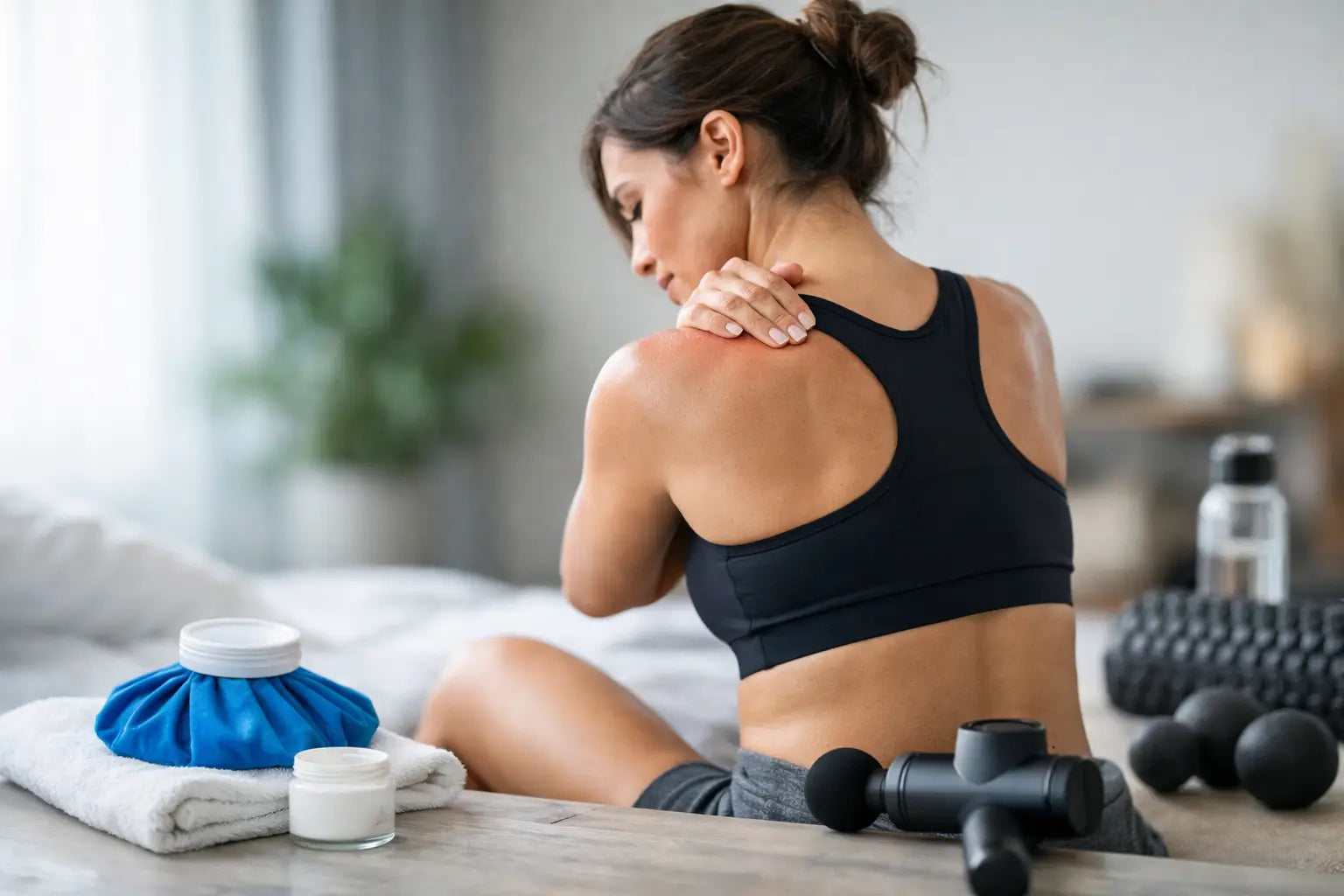
You finish a workout feeling strong, then wake up the next morning walking like you climbed a mountain in your sleep. If you are wondering how to relieve sore muscles fast, the good news is that you usually do not need anything complicated. The fastest relief comes from a smart mix of movement, hydration, temperature therapy, and recovery tools you can use right at home.
Muscle soreness is common after strength training, long walks, new workouts, yoga sessions, or even a day spent sitting with poor posture and then pushing your body harder than usual. Most of the time, that tight, tender feeling is your body responding to stress and rebuilding. The goal is not to ignore it or force your way through it. The goal is to help your body recover so you can get back to moving well.
How to relieve sore muscles fast at home
If your muscles are mildly to moderately sore, gentle movement is usually the first thing that helps. It sounds backward, especially when your legs feel heavy or your shoulders are tight, but light activity increases circulation and helps reduce that stiff, stuck feeling. A short walk, easy cycling, light stretching, or a slow yoga flow can make a real difference within minutes.
This is also where people often overdo it. Gentle movement helps. Another intense workout on already irritated muscles usually does not. If the soreness is deep and widespread, choose recovery-focused movement instead of high effort training.
Hydration matters more than most people think. Sore muscles do not magically recover from water alone, but dehydration can make tightness and fatigue feel worse. Aim to drink steadily throughout the day rather than trying to catch up all at once. If you had a sweaty workout, pairing water with electrolytes may help you feel better faster.
Sleep is the least glamorous recovery tool, but it is often the most effective. If your body is short on rest, soreness tends to linger. One good night of sleep will not erase every ache, but quality rest supports the repair process in a way no quick hack can replace.
The fastest ways to calm muscle soreness
Heat and cold both have a place, but they do different jobs. Cold is often best when your muscles feel hot, inflamed, or freshly aggravated. It can help calm discomfort after a hard session or a sudden flare-up. Heat is usually better for stiffness, tightness, and that dull soreness that makes it hard to move comfortably.
If you are trying to decide between the two, ask yourself what the muscle feels like. If it feels swollen or sharply irritated, go cold. If it feels tight and stubborn, use heat. Some people also like contrast therapy, switching between warm and cold to stimulate circulation and create a reset effect.
At-home recovery has come a long way, which is good news if you want practical options beyond a heating pad and hoping for the best. Cold water therapy can feel intense at first, but many people find it helpful for reducing post-workout soreness and helping the body feel refreshed. Red light therapy is another popular option for people building a more complete recovery routine at home. It fits especially well for anyone who wants recovery support without adding another physically demanding step to the day.
Massage also works, whether that means hands-on bodywork, a massage gun, or a foam roller. The best choice depends on the kind of soreness you have. A massage gun can feel great on larger muscle groups like quads and glutes, while a foam roller can help release broad areas of tension. For very tender muscles, lighter pressure is usually better than attacking the area aggressively.
When stretching helps and when it does not
Stretching can ease soreness fast if the issue is mostly tightness. A few minutes of slow, controlled stretching may help your hips, calves, chest, or shoulders open up and move more freely. What does not help is forcing a deep stretch into already irritated tissue. That often makes muscles more defensive, not less.
Keep it simple. Hold stretches gently, breathe, and stop before pain. Think reset, not punishment.
Food can support recovery, too
If your muscles are sore because you trained hard, eating enough protein and overall calories can help recovery move along. You do not need a perfect post-workout meal every time, but your body does need the raw materials to repair itself. Protein, colorful produce, healthy fats, and carbohydrate sources that replenish energy all support the process.
This is especially important for people who train often but under-eat. If soreness keeps dragging on, recovery may be less about one miracle tool and more about the basics not being covered.
A simple same-day recovery routine
If you want a practical answer to how to relieve sore muscles fast, this routine is a strong place to start. Begin with 5 to 10 minutes of easy movement to loosen up. Follow that with a warm shower or heat if you feel stiff, or cold therapy if the area feels inflamed. Then use a recovery tool like a foam roller, massage device, or red light therapy session, depending on what feels best for your body.
After that, hydrate, eat a balanced meal, and avoid sitting still for hours. If you work at a desk, get up and move every hour or so. The body usually responds better to small doses of circulation throughout the day than to one short recovery session followed by eight hours of stillness.
Later in the evening, do a few minutes of mobility work instead of an intense stretch session. Then prioritize sleep. It is simple, but it works.
How to relieve sore muscles fast without making them worse
The biggest mistake people make is treating soreness like a challenge to beat. More pressure, more intensity, more stretching, more reps. Fast relief usually comes from the opposite approach. Support the muscle, do not fight it.
That means avoiding max-effort training on the sore area for a day or two when needed. It means not using a massage gun at the highest setting on a muscle that already feels bruised. It means understanding that soreness after a new Pilates class or a heavy leg day is normal, but sharp or one-sided pain is a different story.
There is also a difference between everyday soreness and signs that your body needs more caution. If you notice swelling, severe weakness, joint pain, numbness, or soreness that does not improve after several days, it is smart to pause and get professional guidance. Fast recovery matters, but so does knowing when not to push through.
Building a recovery routine that actually fits your life
The best recovery plan is the one you will actually use. That is why at-home wellness tools have become such a strong fit for busy people who want consistent results without booking appointments or disrupting their schedule. You are much more likely to stay on top of soreness if your recovery routine feels convenient, not like another task.
For some people, that looks like ten minutes of red light therapy after a workout and a short mobility flow before bed. For others, it is a cold plunge a few times a week, plus regular use of a massage tool and supportive movement like yoga or walking. There is no single perfect formula, and that is the point. Recovery works better when it fits your habits.
Best Fit & Healthy speaks to that lifestyle well because recovery is not just about one category or one moment. It is about creating a home routine that helps you move better, recover faster, and feel stronger every day.
What to do if you need relief before tomorrow
If you are sore right now and want the shortest path to feeling better, start with light movement, then choose heat or cold based on how the muscle feels. Add gentle massage or rolling, eat a solid meal, drink water, and keep moving lightly through the day. Before bed, skip the hard workout and give your body a real chance to recover.
You may not feel one hundred percent instantly, and that is normal. Fast relief often means going from stiff and uncomfortable to noticeably looser and more mobile within a few hours. Full recovery can take longer, especially after a challenging workout or a brand-new routine.
The good news is that muscle soreness does not have to derail your week. A few smart recovery habits, used consistently, can help you bounce back faster and make your wellness routine feel a lot better day to day.
Treat recovery like part of training, not the part you get around to if there is time.
Share:
Foam Roller vs Massage Gun: Which Wins?
A Simple Guide to Home Red Light