
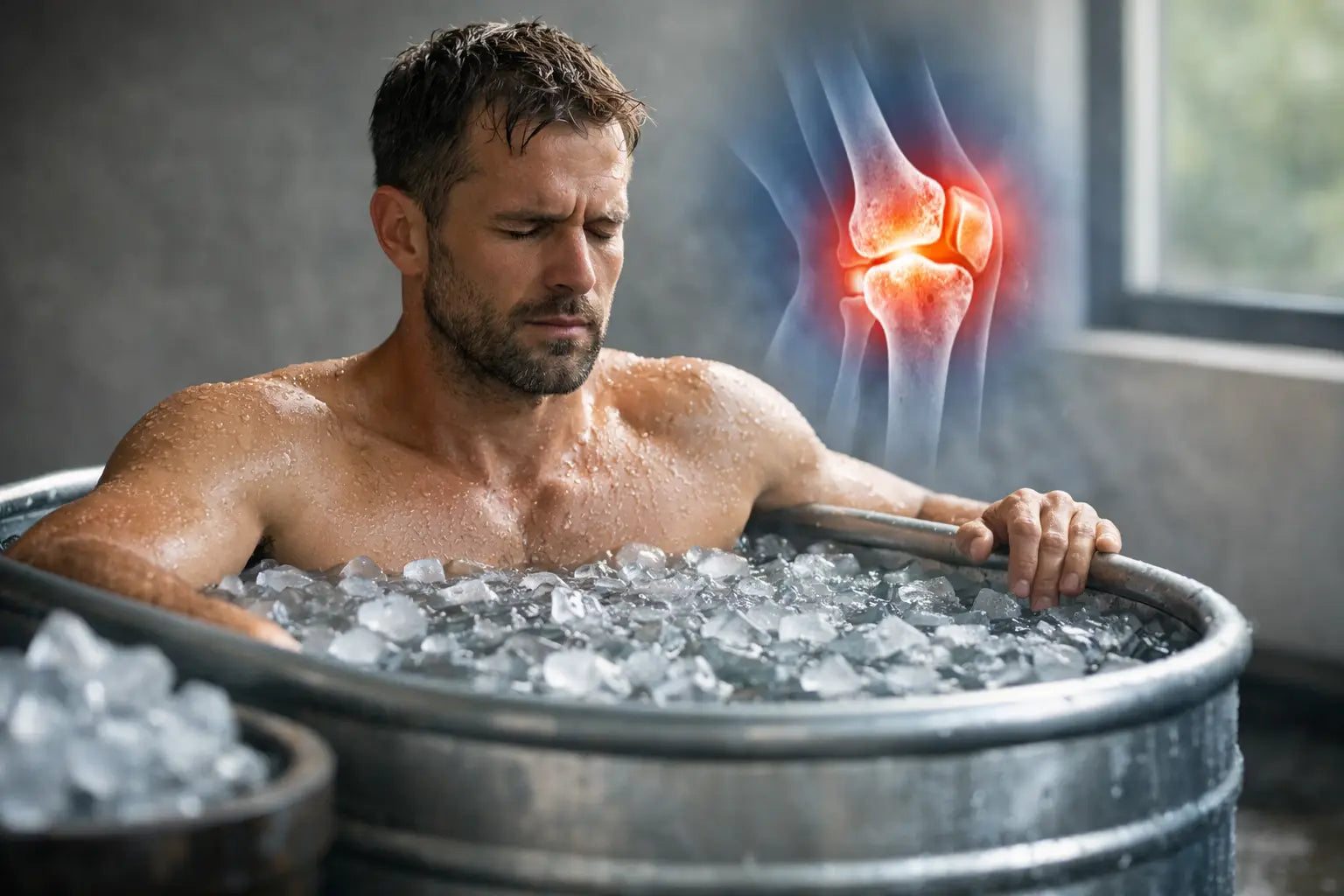
You finish a hard workout, your legs feel heavy, and the idea of stepping into freezing water suddenly sounds like a smart recovery move. That’s usually when the big question comes up - can ice baths reduce inflammation, or do they just make you feel tough for a few minutes? The honest answer is yes, they can help in some situations, but they are not a cure-all, and timing matters more than most people realize.
For people building a better at-home recovery routine, ice baths can be a useful tool. They may ease soreness, calm short-term swelling, and help you feel more ready for your next session. But inflammation is not always the enemy. Sometimes your body needs it to repair and adapt. If your goal is to move better, recover faster, and feel stronger every day, the smartest approach is knowing when cold works for you and when to give your body space to do its job.
Can ice baths reduce inflammation after exercise?
After intense exercise, your muscles experience small amounts of stress and tissue damage. That process can trigger inflammation, which is part of how your body starts repairing itself. An ice bath exposes the body to cold water, which causes blood vessels near the skin to narrow for a period of time. This may help limit swelling and reduce the feeling of heat, throbbing, or tenderness in worked muscles.
That is why many people report feeling less sore after a cold plunge. The cold can also dull discomfort by slowing nerve signaling a bit, which is one reason you may step out feeling refreshed and less achy. For athletes, runners, lifters, and even people doing regular home workouts, this can make a real difference when they need to recover quickly between sessions.
Still, less soreness does not always mean better long-term results. If you use ice baths after every strength workout, you may reduce some of the natural signals that help muscles adapt and grow. In other words, feeling better faster is not exactly the same as building more strength or muscle over time.
When cold therapy makes the most sense
Ice baths tend to be most helpful when your priority is short-term recovery. If you have back-to-back training days, a tournament, a race weekend, or a demanding stretch of activity, reducing soreness and calming swelling can be worth it. Cold exposure may also feel helpful after heat-heavy outdoor workouts or especially grueling lower-body sessions.
For general wellness routines, they can be a good fit when your body feels puffy, overheated, or physically taxed. Some people also enjoy the mental reset that comes with cold immersion. There is a certain clear-headed, energized feeling afterward that fits well into a recovery-focused lifestyle.
This is where a practical home setup matters. If recovery is something you want to do consistently, convenience changes everything. A cold therapy routine is far easier to stick with when it feels accessible instead of complicated.
When ice baths can work against your goals
If your main goal is muscle growth or strength adaptation, daily post-workout ice baths may not be ideal. That’s because inflammation after resistance training is part of the remodeling process. Your body uses that response to rebuild tissue and get stronger. Blunting it too often could slightly reduce the training effect you are working for.
This does not mean cold therapy is bad. It means it depends on what you want from that session. After a heavy lifting day, you might be better off using mobility work, hydration, protein, sleep, and light movement first. Save the ice bath for times when soreness is high, recovery time is short, or overall fatigue is building.
It also may not be the right move for every kind of pain. If you have chronic stiffness, tension that improves with warmth, or non-exercise-related discomfort, heat may feel better than cold. Recovery is not one-size-fits-all, and your routine should match your body, not someone else’s trend.
What the research really suggests
The best way to think about the science is this: ice baths may reduce inflammation enough to lower soreness and improve perceived recovery, but they do not magically erase damage or speed healing in every case. Research on cold water immersion often shows modest benefits for muscle soreness and recovery markers, especially after endurance events or repeated training sessions. The results are less exciting when people expect major performance gains from cold exposure alone.
There is also a difference between systemic inflammation and the temporary local inflammation that follows exercise. People often use the word inflammation broadly, but not all inflammation is harmful. Exercise creates a controlled stress response, and that response helps drive fitness progress. So when asking can ice baths reduce inflammation, the better follow-up question is whether reducing that inflammation is useful for your current goal.
If your body is trying to bounce back for tomorrow’s workout, maybe yes. If your body is trying to build and adapt from today’s workout, maybe not right away.
How to use ice baths without overdoing it
For most healthy adults, cold water immersion does not need to be extreme to be effective. You do not need a dramatic, teeth-chattering session to get benefits. Shorter exposures in cold, tolerable water are often enough.
A common range is water between 50 and 59 degrees Fahrenheit for around 5 to 10 minutes. Beginners may want to start warmer or stay in for less time. There is no prize for suffering. The goal is recovery, not shock.
Best timing for an ice bath
If you are using cold to manage soreness after cardio, sports, or high-volume training, taking an ice bath within a few hours of the workout usually makes the most sense. If you are focused on strength or hypertrophy, you may choose to skip immediate cold exposure after lifting or save it for later in the day when needed.
Some people benefit from using ice baths only once or twice a week during harder training blocks instead of after every session. That can give you recovery support without making cold exposure your automatic answer to every ache.
Signs your routine is too aggressive
If you feel drained instead of refreshed, stay cold for a long time afterward, dread the process, or notice that your skin feels numb in an uncomfortable way, your setup may be too intense. Recovery tools should support your routine, not make it harder to maintain.
Consistency beats extremes almost every time.
Who should be careful with cold plunges
Ice baths are not for everyone. People with cardiovascular conditions, poor circulation, uncontrolled high blood pressure, certain nerve disorders, or cold sensitivity should talk with a healthcare professional before trying them. The sudden cold response can be stressful on the body.
You should also avoid jumping into an ice bath if you feel lightheaded, sick, or unusually fatigued. And if you are dealing with a serious injury, worsening swelling, or unexplained pain, it is better to get guidance than self-treat with cold and hope for the best.
For everyone else, the smartest way to begin is gradually. Start with cooler showers or shorter cold sessions and build from there. Your body usually responds better to a steady routine than an all-or-nothing approach.
Ice baths are one tool, not the whole recovery plan
The people who get the most from cold therapy usually do not rely on it alone. They pair it with the basics that actually move the needle: sleep, hydration, protein, mobility, stress management, and training balance. If those pieces are missing, an ice bath can only do so much.
That is also why a more complete at-home wellness routine tends to work better than chasing one trend at a time. Cold therapy can fit alongside stretching, foam rolling, red light, walking, or gentle recovery days depending on your needs. The goal is not to copy a pro athlete’s schedule. It is to build a routine you can actually use in real life.
At Best Fit & Healthy, that practical approach is what makes wellness tools worth having in the first place. They should fit your day, support your goals, and help you feel better without turning recovery into a second job.
So, can ice baths reduce inflammation in a useful way?
Yes, they can reduce certain kinds of post-exercise inflammation and help with soreness, swelling, and short-term recovery. That makes them a strong option when you want to bounce back faster or feel better after hard physical effort. But if your goal is maximizing muscle adaptation, using them constantly right after lifting may not be the best strategy.
The real win is using cold therapy with intention. Pay attention to how your body responds, match the tool to the moment, and keep your recovery routine simple enough to stick with. The best wellness habits are not the most extreme ones. They are the ones you’ll actually come back to tomorrow.
Share:
LED Face Mask Review: Is It Worth It?
Can Red Light Help Wrinkles?