
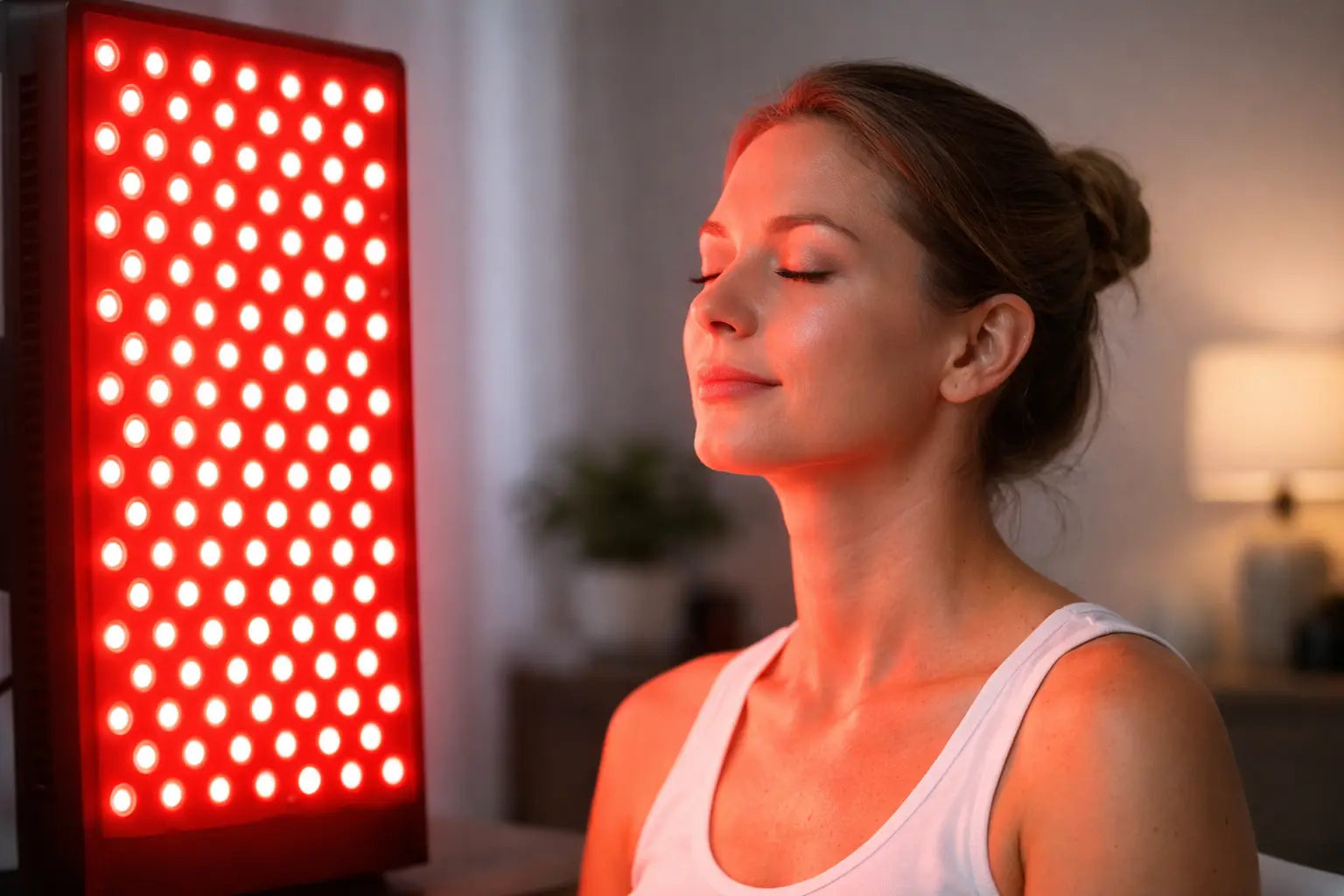
A lot of wellness habits sound great until you try to do them every day. That is usually when the real question shows up: is red light safe daily, or can too much of a good thing become counterproductive?
For most healthy adults, red light therapy can be used daily when the device is designed for home use and the instructions are followed. That said, daily use is not automatically better use. The safest and most effective routine depends on the device strength, how long you use it, the area you are treating, and how your skin and body respond over time.
Is red light safe daily for most people?
In many cases, yes. Red light therapy is generally considered low risk because it does not use UV light, and it is not the same thing as tanning. That matters because many people hear the word light and assume the same concerns apply. They do not.
Red light devices are commonly used at home for skin support, post-workout recovery, relaxation, and general wellness routines. When used as directed, daily sessions are often well tolerated. Many people build red light into a morning or evening habit the same way they would stretching, foam rolling, or skincare.
The catch is that safe daily use starts with reasonable use. More time, stronger intensity, or holding the device too close does not always improve results. In some cases, it can irritate sensitive skin or simply lead to inconsistent results because the routine is too aggressive to maintain.
What makes daily red light use safe or unsafe?
The biggest factor is dosage. A short, consistent session with a quality device is very different from overdoing it because you assume longer sessions must work faster.
Device type matters too. A small facial wand, a mask, and a larger panel may all use red light, but they do not deliver the same coverage or intensity. That is why one person may safely use a facial device every day for 10 minutes, while another should use a stronger panel less often or for shorter sessions.
Your goal also changes the ideal routine. If you are focused on skincare, daily use may fit nicely because the sessions tend to be short and targeted. If you are using red light after hard training, you may use it daily during a heavy workout block and then scale back during recovery weeks. If you are managing sensitivity or trying a new device, starting with fewer sessions is the smarter move.
Personal factors count as well. Skin sensitivity, medications, active conditions, and even recent treatments can affect how your body responds. If your skin gets unusually warm, dry, or irritated, that is a sign to reduce frequency and reassess your setup.
How often should you actually use it?
This is where practical beats perfect. Most people do well with short sessions several times per week, then adjust based on results and comfort. Daily use can be a good fit, but it should feel sustainable, not like you are forcing extra minutes just to check a box.
A common mistake is thinking consistency means maximum frequency. Real consistency means using the device in a way you can maintain without irritation, burnout, or guessing. For some people that is five to seven days a week. For others it is three to five.
If you are new to red light therapy, start lighter than you think you need. Give your body a chance to respond. Once you know your skin tolerates it well and the routine feels easy to stick with, you can decide whether daily use makes sense.
Signs your daily routine is working
A good red light routine should feel supportive, not stressful. If your setup is right, the benefits usually show up gradually. You may notice your skin looks calmer or more refreshed, your muscles feel less stiff after workouts, or your recovery routine simply feels easier to stay on top of.
There is also a lifestyle piece here. The best at-home wellness tools are the ones that fit naturally into real life. If red light helps you feel more consistent with recovery, self-care, or post-workout wind-down, daily use may be a smart addition because it supports habits you already value.
Results still take time. Red light is not usually a one-session fix. It works best as part of a bigger routine that includes sleep, movement, hydration, and smart recovery. Think of it as a useful tool, not a shortcut.
When daily use may be too much
Even though red light is low risk, there are still moments when scaling back is the better call. If your skin becomes irritated, dry, or unusually reactive, your routine may be too frequent or too long. If you feel eye strain, you may need better positioning or eye protection depending on the device instructions.
There is also a simple reality: sometimes more is just more. If your device recommends a certain session length and you double it, you are not necessarily improving your outcome. You are just moving away from the tested use range.
If you are using photosensitizing medications, have a medical eye condition, or are managing a specific health issue, it is wise to check with a healthcare professional before making red light a daily habit. This is especially true if you are using a more powerful device or treating a large area of the body.
How to use red light daily without overdoing it
The easiest way to stay on the safe side is to keep your routine simple. Follow the product directions first. That sounds obvious, but many people skip it because they want faster results.
Start with the recommended distance from the device and stay within the suggested session time. Keep the treatment area clean and dry unless the instructions say otherwise. If your device is meant for the face, do not assume the same settings should be used on every part of the body.
It also helps to track how you feel for the first two to three weeks. Notice whether your skin feels comfortable, whether your muscles recover better, and whether the routine feels easy to maintain. If things are going well, daily use may be a solid fit. If not, reducing frequency is not failure. It is just better calibration.
For many people, a simple schedule works best: short sessions, consistent timing, and no temptation to keep adding more. That is often where at-home wellness routines become sustainable.
Is red light safe daily for skin and beauty goals?
Usually, yes, especially with devices intended for facial or skincare use. Red light is popular in beauty routines because it can support the look of smoother, healthier-looking skin without the downtime associated with more aggressive treatments.
Still, skin is personal. Someone with resilient skin may handle daily sessions well, while someone with sensitivity may do better every other day. If you are also using strong exfoliants, retinoids, or in-office treatments, your skin may need a little more breathing room.
The best approach is to think balance, not intensity. A calm, repeatable skincare routine tends to outperform one that constantly swings between overdoing it and taking long breaks.
Daily recovery, movement, and feeling better at home
This is where red light fits naturally into a modern wellness lifestyle. If you train at home, sit at a desk for long hours, take Pilates, practice yoga, or simply want to feel less worn down at the end of the day, a red light device can support a routine that feels doable.
That matters because wellness habits only work when they actually fit your life. You do not need a clinic appointment to prioritize recovery. You do not need an elaborate setup to support your skin or unwind after a workout. You need tools you will use consistently and sensibly.
That is why so many people gravitate toward at-home options. They make it easier to create a routine that helps you move better, recover faster, and feel stronger every day. Best Fit & Healthy is built around that exact idea: practical wellness tools that support everyday habits, not occasional effort.
So, is red light safe daily? For many adults, yes, when the device is used correctly and your routine matches your goals. Start steady, pay attention to how your body responds, and let consistency do the heavy lifting.
Share:
11 Best Home Wellness Products to Try
Complete Guide to Home Wellness