
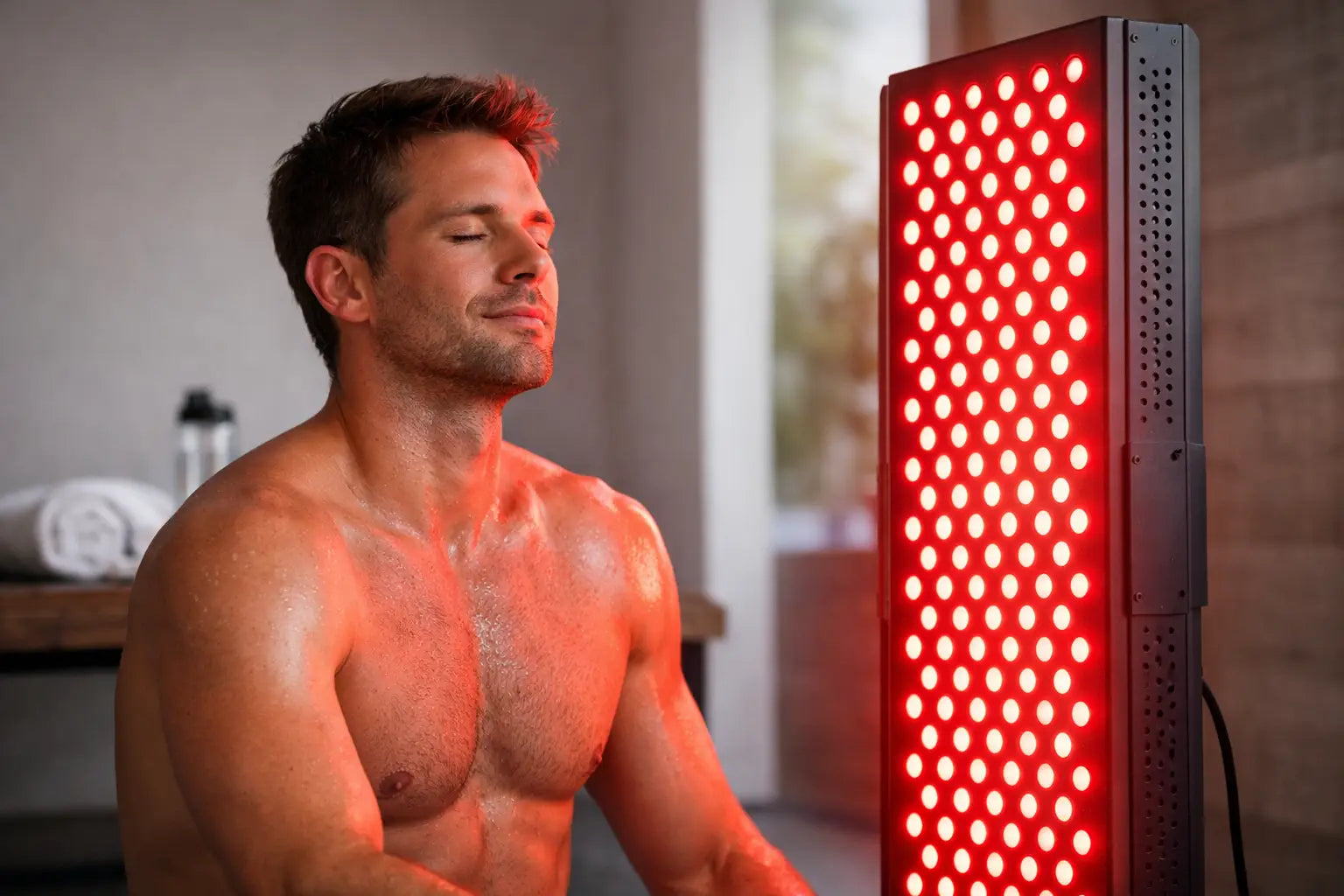
Some wellness tools look impressive on a shelf and then end up collecting dust. A good red light therapy guide should help you avoid that. If you are thinking about adding red light therapy to your home routine, the real question is not whether it sounds trendy. It is whether it fits your goals, your schedule, and the way you actually take care of yourself day to day.
Red light therapy has become popular because it feels simple. You stand in front of a panel, wear a mask, or target a specific area with a compact device for a few minutes at a time. But simple does not mean one-size-fits-all. The right setup depends on whether you care most about workout recovery, skin appearance, daily relaxation, or a mix of all three.
What red light therapy actually does
Red light therapy uses specific wavelengths of light, typically in the red and near-infrared range, to expose the body or skin to light energy. In plain terms, it is designed to support natural processes in the body. That is why people often use it for muscle recovery, joint comfort, skin-focused routines, and overall wellness habits.
For active adults, the appeal is easy to understand. After a hard workout, a long workday at a desk, or a week of feeling run down, it is helpful to have a low-effort recovery tool at home. For beauty-minded shoppers, the draw is different. Red light therapy is often added to a skincare routine because it can support a healthier-looking, more refreshed appearance over time.
This is also where expectations matter. Red light therapy is not a one-session fix. It works best as part of a consistent routine, much like stretching, strength training, or skincare. If you want instant transformation, you will probably be disappointed. If you want a habit that supports recovery and daily wellness, it makes a lot more sense.
A practical red light therapy guide to benefits
The biggest reason people stick with red light therapy is that it fits into real life. You do not need to schedule an appointment or leave home. You can use it before work, after a workout, or in the evening when you want to wind down.
For recovery, many users look to red light therapy to support sore muscles, post-exercise comfort, and a more complete rest-and-repair routine. If you train regularly, do Pilates or yoga, or spend hours sitting and dealing with stiffness, this kind of support can be especially appealing.
For skin and beauty routines, red light therapy is often used to support smoother-looking skin and a more balanced, healthy glow. It tends to attract people who want high-tech skincare without adding a complicated treatment calendar to their week.
For daily wellness, the benefit is often less dramatic but still valuable. A short light session can become a simple anchor habit, like morning mobility or an evening walk. That matters more than people realize. The easier a wellness tool is to use consistently, the more likely it is to become part of your routine instead of another abandoned purchase.
Choosing the right device for your routine
Not every red light therapy device is built for the same lifestyle. This is where many shoppers get stuck. They compare every feature, every size, and every claim, then end up delaying the purchase because everything starts to blur together.
A panel is often the best fit if your goals are full-body or larger-area support. It makes sense for people focused on exercise recovery, back or shoulder tension, or a broader daily wellness ritual. Panels can feel more like a dedicated recovery station at home, which is great if you like structured routines and have space for one.
A mask or face-focused device is better for skincare goals. If you care most about your complexion and want a beauty tool that slips easily into your nighttime routine, this option is usually more practical than a large panel.
A handheld or smaller targeted device works well when you want flexibility. It can be useful for spot treatment, smaller living spaces, or people who are not ready to commit to a larger setup. The trade-off is coverage. Smaller devices may be easier to store and use, but they can take longer if you want to treat multiple areas.
That is why the best choice is not always the most powerful-looking product. It is the one you will actually use. Convenience wins more often than ambition.
How to use red light therapy at home
A smart red light therapy guide should make home use feel clear, not technical. Start by following the device instructions for distance, timing, and frequency. Different devices are designed to be used in different ways, and guessing is not a great strategy with any wellness tool.
Most people do best when they keep it simple. Pick a regular time of day and pair your session with an existing habit. You might use red light therapy after your workout, during your skincare routine, or while winding down in the evening. When it becomes part of something you already do, consistency gets much easier.
Clean skin is usually a good idea for facial use, especially if the device is part of your beauty routine. For body-focused sessions, comfort matters. Wear what allows easy exposure to the target area and make sure the setup feels easy enough to repeat several times a week.
It is also worth being honest about your schedule. If you know you are not going to stand in front of a large panel every morning for 20 minutes, do not build your whole plan around that version of yourself. A shorter, more realistic routine is usually the better move.
What results to expect and when
This is the part people tend to oversell. Red light therapy can support visible and feelable improvements, but the timeline is not the same for everyone. Your goals, your consistency, the type of device you use, and your overall routine all play a role.
Some users notice that they feel more relaxed or that certain areas feel less tense relatively quickly. Skin-related changes usually take more patience. Recovery-related benefits also depend on how hard you train, how well you sleep, and whether you are doing the basics like hydration and mobility work.
That does not make red light therapy less useful. It just means it works best as part of a broader wellness system. Think of it as support, not magic. If your routine already includes movement, rest, and decent recovery habits, red light therapy can be a strong addition.
Common mistakes that make people quit too soon
One common mistake is doing too much at the start and then burning out on the routine. Another is using the device inconsistently and expecting dramatic changes anyway. Both lead to the same outcome - frustration.
The better approach is steady and realistic. Start with a schedule you can maintain. Give it time. Track how you feel, how your skin looks, or how your body responds after workouts. Subtle improvements are still improvements.
Another issue is buying for the wrong goal. A person focused on post-workout recovery may be disappointed by a device that is really best suited to facial treatments. A shopper who wants skincare support may not need a larger setup meant for broad body coverage. Matching the product to the goal makes a huge difference.
Is red light therapy worth adding to your wellness routine?
For many people, yes - especially if you want an at-home tool that supports recovery, skin health, and a more intentional self-care rhythm. The biggest advantage is not just the technology itself. It is the fact that you can use it without rearranging your life.
That said, it depends on what you expect. If you want a single device to replace sleep, smart training, movement, and skincare basics, it will fall short. If you want a practical tool that helps you move better, recover faster, and feel more supported in your daily routine, it can be a strong investment.
That is why shoppers who build thoughtful home wellness setups often keep coming back to tools like this. They are not chasing complicated systems. They want products that fit real routines and help them feel better with less friction. For a brand like Best Fit & Healthy, that kind of daily-use wellness makes sense.
If you are considering your first device, start with your real goal, not the trendiest product. The best red light therapy routine is the one that feels easy to keep, because the habits that last are the ones that actually change how you feel.
Share:
Does Red Light Therapy Work for Recovery?
Red Light Mask Review: Worth It at Home?