
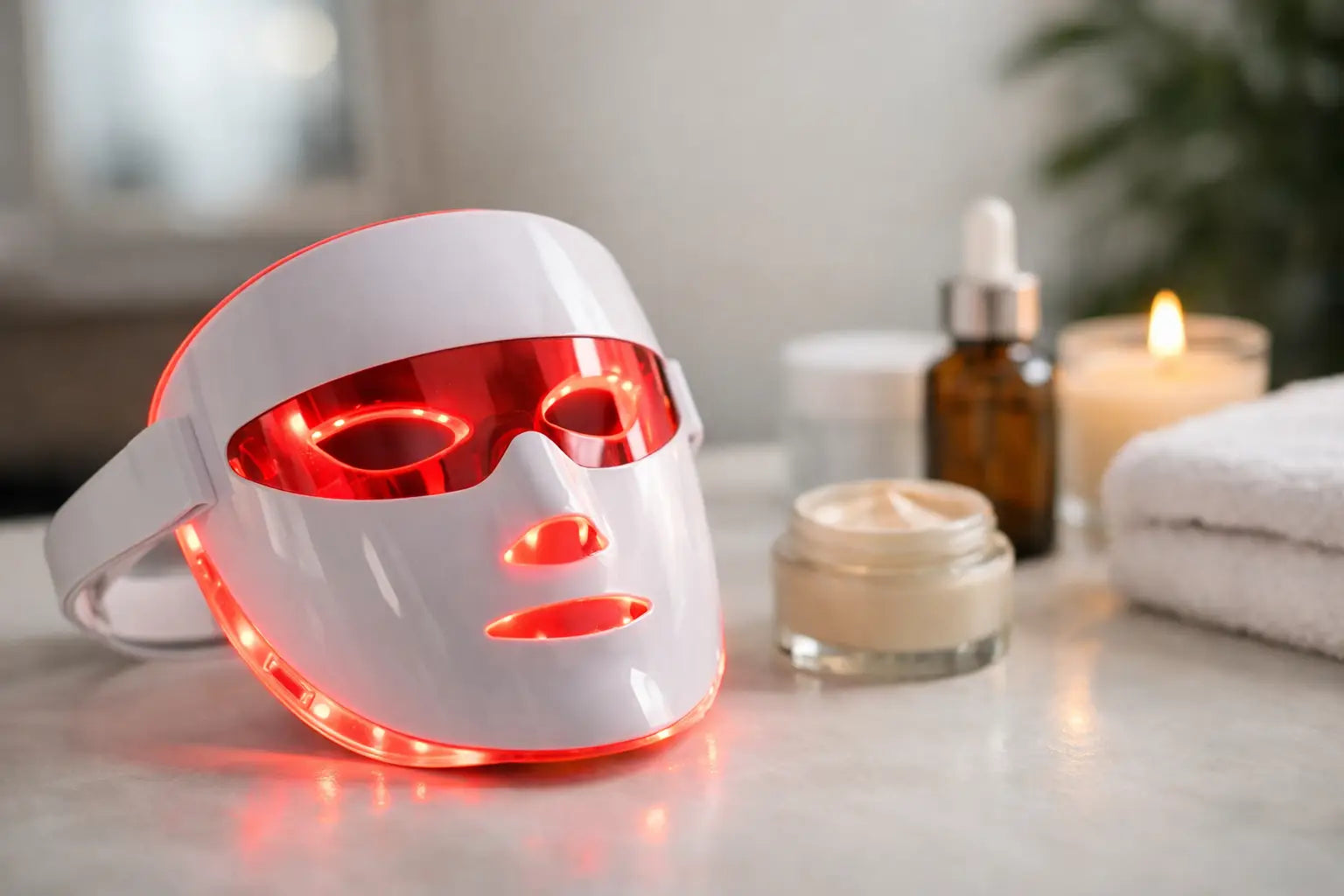
A red light mask sounds like the kind of wellness tool you buy with big hopes and use twice before it ends up in a drawer. That is exactly why a real red light mask review matters. If you want clearer, smoother, more refreshed-looking skin without adding another complicated step to your day, the question is not whether the technology sounds impressive. It is whether it actually fits your routine, your goals, and your patience.
A practical red light mask review
The short answer is yes, a red light mask can be worth it at home - but only for the right person. If you expect one device to replace every facial, erase deep lines in a week, or fix skin issues overnight, you will probably feel let down. If you want a simple, consistent tool that supports skin tone, helps your complexion look calmer and more even, and makes self-care easier to stick with, it can be a smart upgrade.
That trade-off matters. Red light therapy works best as a routine, not a rescue plan. The people who tend to love these masks are the ones who can commit to regular sessions a few times a week and give the results time to build.
What a red light mask is really designed to do
A red light mask uses low-level light at specific wavelengths to expose the skin to red and sometimes near-infrared light. In plain English, it is designed to support the skin's natural renewal process. Depending on the mask and how you use it, the main goals usually include a more even look, softer fine lines, and a healthier overall glow.
Some users also like red light masks because they bring a spa-like treatment into everyday life without appointments, downtime, or a crowded product shelf. That convenience is a big part of the appeal. When a wellness tool lives at home and takes 10 to 20 minutes, it becomes much easier to stay consistent.
Still, this is not a one-size-fits-all beauty device. A red light mask is better for gradual improvement than dramatic correction. If your biggest concern is severe acne, deep pigmentation, or significant skin laxity, results may be modest and you may want a broader plan.
What stood out in this red light mask review
The biggest strength of a red light mask is consistency without effort. Once the mask is charged and ready, the treatment itself is easy. You put it on, sit back, and let the session run. That is a lot more manageable than complicated skin tools that require gels, attachments, or a full setup every time.
Comfort is the next big factor. A good mask should feel lightweight enough to wear without pressure points, especially around the nose and forehead. If a device feels stiff, bulky, or awkward, your routine will probably fall apart fast. Ease of use matters more than people think because the best wellness product is the one you will actually keep using.
The other standout is routine compatibility. A mask works best for people who already have a steady rhythm around skincare, recovery, or evening wind-down habits. If you like wellness tools that slide into your life instead of taking it over, this format makes sense.
Benefits you can realistically expect
The most realistic expectation is gradual skin improvement. Over time, many people notice that their skin looks a little smoother, a little brighter, and a little less tired. Fine lines may appear softer, and the overall texture can look more refined.
That may sound subtle, but subtle is often what makes a product sustainable. A red light mask is less about a dramatic before-and-after and more about helping your skin look healthier in a steady, low-maintenance way.
There is also a lifestyle benefit that often gets overlooked. Devices like this can make self-care feel more accessible. Instead of booking treatments or wondering when you will have time, you can build 10 minutes into your morning or evening and stay on track from home. For a lot of people, that convenience is what turns good intentions into a real routine.
Where red light masks fall short
This is where any honest red light mask review needs some balance. These masks are not magic, and they are not all built the same.
First, results take time. If you are impatient with products, this may not be your favorite purchase. Most users need several weeks of regular use before they feel confident saying it made a difference.
Second, not every mask feels premium in practice. Some look sleek online but feel cheap, heavy, or uncomfortable once you wear them. Others may be easy to use but have weak battery life or a fit that does not sit evenly across the face.
Third, masks do not replace the basics. Good skincare, sunscreen, hydration, sleep, and stress management still matter. A red light mask can support your routine, but it cannot carry the whole job on its own.
Who should buy one and who should skip it
A red light mask makes the most sense for someone who wants a practical at-home beauty tool and is willing to use it consistently. It is especially appealing if you care about skin appearance, like simple recovery-oriented habits, and want one more easy step that supports how you look and feel.
It is also a strong fit for people who prefer long-term wellness investments over constant one-off spending. If you already enjoy recovery tools, skincare devices, or rituals that help you feel put together, this can fit naturally into your setup.
You may want to skip it if you know you rarely stick with beauty devices, get frustrated by gradual results, or want highly targeted correction for a more serious skin concern. In that case, the mask may feel like more of a nice idea than a smart purchase.
What to look for before you buy
Not all masks deserve the same level of confidence. A few details make a real difference in everyday use.
The first is fit. A mask can have impressive specs, but if it pinches, slips, or feels hard to wear for a full session, you will notice that immediately. Comfort is not a bonus feature. It is central to getting results.
The second is treatment time. Shorter sessions are easier to maintain, especially if you already juggle work, workouts, skincare, and family life. The more friction a device adds, the less likely it becomes part of your normal week.
The third is build quality. You want a device that feels durable, easy to clean, and simple to charge or store. Premium wellness tools should reduce stress, not create more of it.
Finally, think about how the mask fits with your actual goals. If your focus is skin tone and visible refreshment, a red light mask may feel like a strong match. If your bigger priority is full-body recovery, mobility, or post-workout support, you may want to balance your budget across different wellness tools instead of putting it all into facial tech.
How to get the best results from a red light mask
The best approach is simple. Start with clean, dry skin and use the mask on a regular schedule you can keep. Most people do better with consistency than intensity. A manageable routine four or five times a week will usually beat an ambitious plan that lasts ten days.
It also helps to connect the mask to an existing habit. Use it while winding down after a workout, during your evening skincare routine, or as part of a quiet morning reset. That kind of lifestyle integration is what makes wellness products earn their place.
Be patient with the timeline. You are looking for cumulative change, not a single dramatic session. Small improvements add up when the routine is easy enough to repeat.
Final verdict on this red light mask review
If you want an at-home tool that supports better-looking skin with very little effort once the habit is built, a red light mask can absolutely be worth it. Its biggest selling point is not that it transforms your face overnight. It is that it gives you a realistic, repeatable way to invest in your skin without leaving home.
For people building a stronger wellness routine, that matters. The best products are not always the flashiest ones. They are the ones that fit your life well enough to keep showing up for you. If a red light mask feels like something you would truly use, not just admire on the counter, it may be one of the easier upgrades you make this year.
Share:
Red Light Therapy Guide for Daily Recovery
Red Light Panel vs Mask: Which Fits You?