
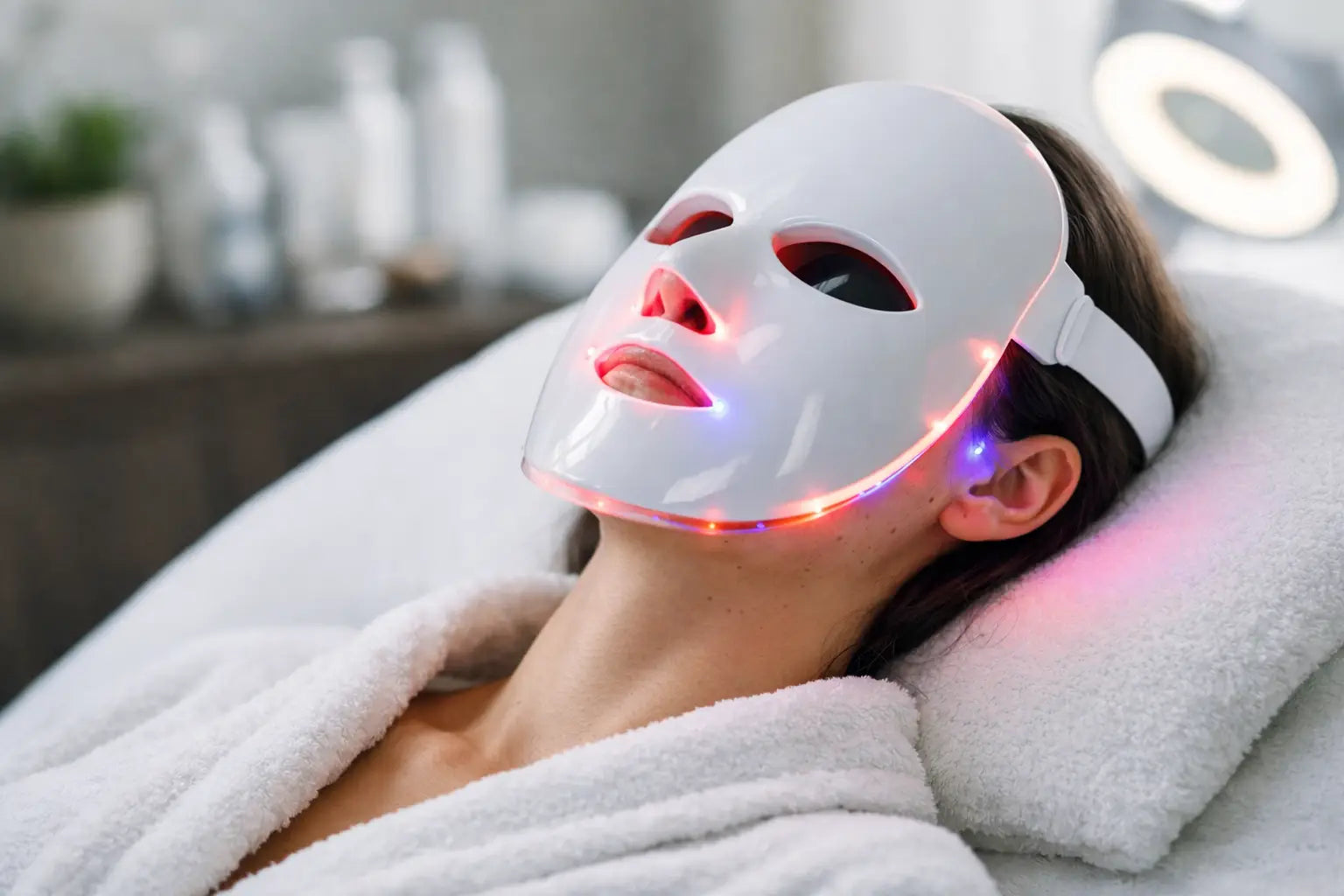
A breakout rarely shows up at a convenient time. It pops up before a workout class, before dinner plans, or right when your skin was finally starting to calm down. That is why so many people ask, can LED masks help acne - and are they actually worth adding to an at-home routine?
The short answer is yes, LED masks can help acne for some people. But they are not magic, and they are not the right solution for every kind of breakout. The real value is in consistency, realistic expectations, and choosing the right type of light for what your skin is dealing with.
Can LED masks help acne or just reduce redness?
They can do both, but those are not the same thing. Some LED masks are designed to target acne-causing bacteria, while others are better at calming inflammation and helping skin look less irritated after a breakout.
Blue light is usually the main player for acne-prone skin. It is commonly used to help reduce the bacteria linked to breakouts on the skin's surface. Red light is different. It is more often used to support skin recovery, calm visible inflammation, and improve the overall look of stressed-out skin. Many devices combine both because acne is rarely just one problem. It is often bacteria, oil, inflammation, and skin barrier stress all happening at once.
That is also why results can vary. If your breakouts are mild or moderate and tend to flare from oil, sweat, clogged pores, or hormonal shifts, an LED mask may be a helpful part of your routine. If you are dealing with deep cystic acne, widespread hormonal breakouts, or severe skin sensitivity, you may need more than light therapy alone.
How LED light therapy works for acne
LED stands for light-emitting diode. These devices use specific wavelengths of visible light to affect the skin in different ways, without damaging the surface like more aggressive treatments can.
For acne, blue light is the one people usually mean. It works by targeting compounds inside acne-causing bacteria. When those compounds absorb blue light, it creates a reaction that helps reduce the bacteria. Fewer bacteria can mean fewer inflamed pimples over time.
Red light works more indirectly. It does not target acne bacteria the same way blue light does, but it may help reduce the appearance of redness and support recovery after breakouts. That matters because acne is not just about preventing the next blemish. It is also about helping your skin bounce back faster and look calmer day to day.
This is where LED masks fit well into a modern home wellness routine. They are simple, hands-free, and easy to use while you are getting ready for bed or winding down after a long day. For people who want practical self-care tools they can use consistently at home, that convenience matters.
Who is most likely to see results
LED masks tend to work best for people with mild to moderate acne who are willing to use them regularly. If your skin breaks out from oil buildup, workouts, stress, or occasional hormonal changes, you may notice fewer active blemishes and less lingering redness after several weeks.
They can also be a smart option for people who want a non-invasive add-on to their current routine. Maybe strong spot treatments leave your skin dry. Maybe you want a more balanced approach that supports clearer skin without piling on harsh products. In that case, LED can be a useful middle ground.
The people who often feel disappointed are the ones expecting overnight results. Light therapy is more like fitness than a quick fix. One session will not transform your skin. A routine might.
What LED masks can and cannot do
This is the part that matters most. LED masks can support clearer-looking skin, but they do not replace every other acne solution.
They can help reduce mild inflammatory breakouts, support recovery, and improve the appearance of post-breakout redness. They may also help people who want a gentler option than aggressive peels or strong topicals.
What they usually cannot do is clear severe cystic acne on their own, prevent every hormonal flare, or erase acne scars in a dramatic way. They are also not a substitute for prescription treatment when acne is persistent, painful, or affecting your confidence in a big way.
That does not make them ineffective. It just means they work best when you see them for what they are - a supportive tool, not a cure-all.
How to use an LED mask for acne
If you want better results, keep your routine simple. Start with clean, dry skin. Use the mask according to the device instructions, usually several times per week. More is not always better. The goal is steady use, not overdoing it.
After your session, follow with products that make sense for acne-prone skin and do not overload your barrier. A lightweight moisturizer can help, especially if you are also using acne actives like salicylic acid or benzoyl peroxide. In the morning, sunscreen is non-negotiable.
A lot of people make the mistake of stacking too many treatments at once. They use exfoliating acids, retinoids, drying spot treatments, and then wonder why their skin looks angry. If you are adding LED to your routine, it helps to keep the rest of your lineup balanced.
Can LED masks help acne if you have sensitive skin?
Often, yes. That is one reason they have become so popular for at-home use. LED masks are generally non-invasive and do not rely on friction, heat, or harsh exfoliation. For some people with sensitive skin, that makes them easier to tolerate than more aggressive treatments.
That said, sensitive skin still needs caution. If your skin is reactive, start slow and pay attention to how it feels. You also want to avoid pairing your LED sessions with too many strong actives on the same night if your barrier is already stressed.
If you have a medical skin condition, are taking medications that increase light sensitivity, or have any uncertainty about whether light therapy is appropriate for you, it is smart to check with a healthcare professional first.
What to look for in an acne-focused LED mask
Not every LED mask is built the same. If acne is your main concern, look for a device that clearly includes blue light, and ideally red light as well for skin-calming support. You want a mask that is designed for consistent at-home use, fits comfortably, and makes it easy to stick with a routine.
Comfort matters more than people think. If a device is awkward, heavy, or hard to work into your evening, chances are it ends up in a drawer. The best wellness tools are the ones you actually use.
This is also where shopping a curated wellness brand can make life easier. Instead of bouncing between random categories and questionable devices, you can choose tools that fit a bigger routine built around recovery, self-care, and feeling good in your skin.
When to expect visible changes
Most people need a few weeks of steady use before judging whether an LED mask is helping. Some notice that active blemishes seem less angry within the first couple of weeks. Others mainly see that their skin looks calmer overall and breakouts recover faster.
A fair trial is usually at least four to eight weeks, depending on how often the mask is used and what kind of acne you have. Taking progress photos can help because small changes are easy to miss when you see your skin every day.
Patience matters here. Skin responds to rhythm. If you use your LED mask once, skip two weeks, and then try it again after a breakout has already flared, you are not really giving it a chance to work.
Is an LED mask worth it for acne?
If you want an easy, at-home tool that supports clearer-looking skin and fits into a realistic self-care routine, it can be worth it. Especially if your acne is mild to moderate and you are looking for a low-effort habit that complements the rest of your skincare lineup.
If you are expecting a dramatic fix for severe acne, the answer is more complicated. You may still benefit from LED, but you will probably need a broader plan.
The best approach is to think bigger than one breakout. Healthy skin usually comes from consistent habits - good cleansing, barrier support, smart product choices, and tools that help you stay on track. At Best Fit & Healthy, that is the sweet spot: practical wellness that fits real life and helps you feel a little better every day.
If acne has been throwing off your confidence, an LED mask may not solve everything, but it can be one of those small upgrades that helps your routine feel more effective, more manageable, and easier to stick with.
Share:
7 Best Tools for Neck Tension Relief
Home Wellness Routine Guide for Real Life