
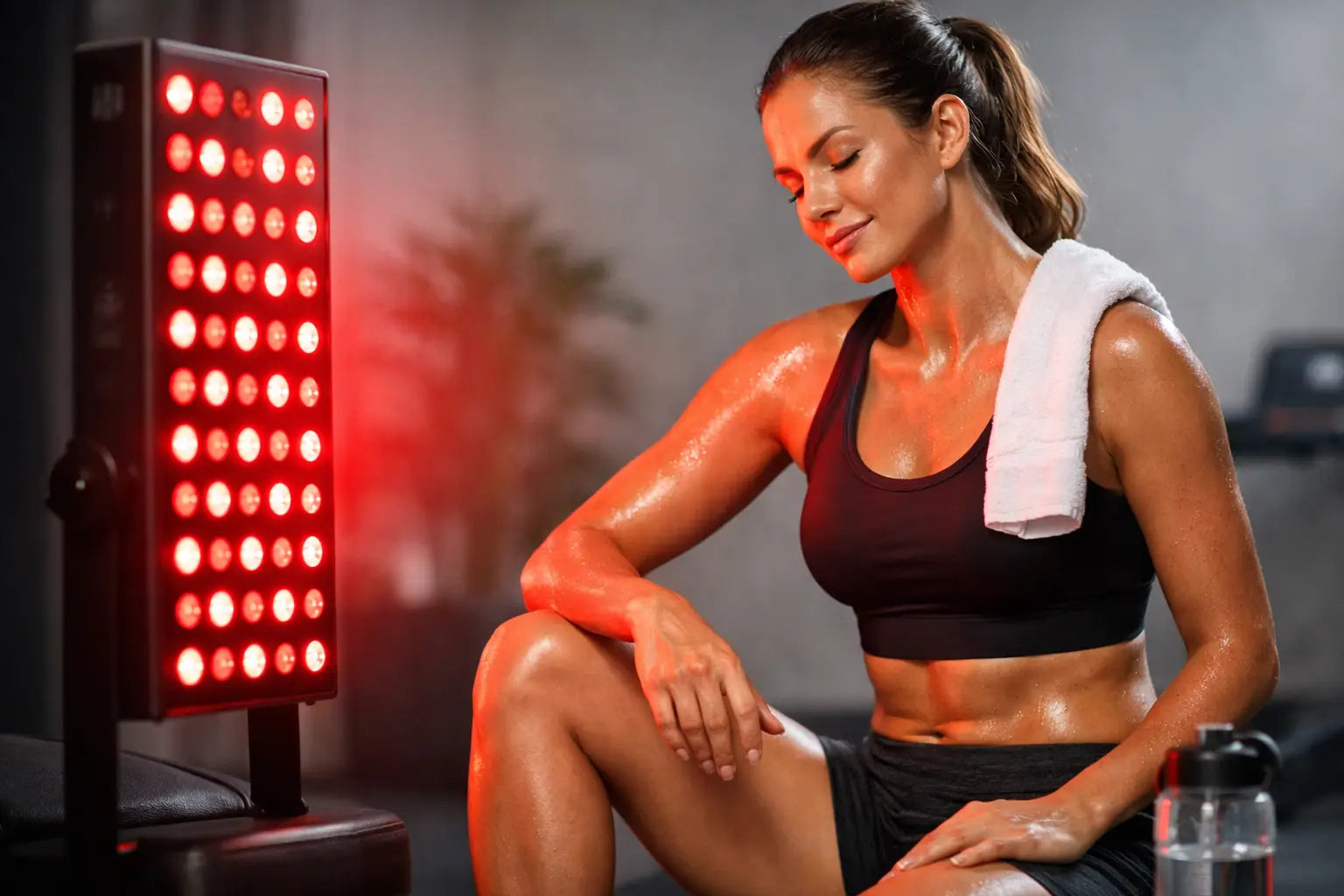
You finish a hard workout feeling strong, then the next morning your legs say otherwise. That gap between training and feeling ready to move well again is exactly where people start asking how red light supports workout recovery. For many active adults, it has become a simple at-home tool that fits between exercise, mobility work, and the rest of a realistic wellness routine.
Why recovery matters more than most workouts
Training creates stress on purpose. That is part of the process. Muscles work hard, tissues take on load, and your body has to adapt before you come back stronger. But progress does not happen during the workout itself. It happens during recovery, when your body repairs, rebalances, and prepares for the next round.
That is why recovery tools have moved from the pro athlete world into everyday fitness. If you lift at home, take Pilates classes, run a few times a week, or squeeze in strength sessions between work and family life, recovery is not extra. It is what helps you stay consistent. When your body feels less stiff, less rundown, and more ready to move, it is easier to keep showing up.
How red light supports workout recovery in real life
Red light therapy is often used as part of a broader recovery routine because it is easy to do at home and does not ask much from your schedule. You sit or stand near a device for a short session, usually before or after movement, and let light at specific wavelengths reach the skin and underlying tissue.
The main reason people use it for fitness recovery is simple: it may help the body recover more comfortably after physical effort. That can look like less post-workout soreness, better circulation to worked areas, and a smoother transition from one training session to the next. For someone trying to stay active week after week, that matters.
It is not a replacement for sleep, hydration, good nutrition, or smart programming. It works better as a support tool, not a magic fix. But for many people, that support is exactly what makes a routine feel easier to maintain.
What red light may be doing beneath the surface
It supports cellular energy production
One of the most talked-about effects of red light therapy is its interaction with the mitochondria, the parts of your cells that help produce energy. When that process works efficiently, your body has more support for normal repair and recovery functions.
You do not need to be deep into biology to care about this. In practical terms, recovery depends on your body having the resources to handle the stress you placed on it. Red light is often used with the idea that it can help support those natural processes.
It may encourage healthy circulation
After a challenging workout, blood flow matters. Circulation helps deliver oxygen and nutrients where they are needed while also supporting the cleanup that follows exercise. Better circulation can contribute to that post-workout feeling of warmth, ease, and reduced tightness.
This is one reason people commonly use red light on areas that take the most load, like quads, hamstrings, glutes, shoulders, or lower back. If those spots tend to feel heavy or tense after training, targeted sessions can make sense.
It can help with soreness and stiffness
Soreness is not always a badge of honor. Sometimes it is just soreness. If your muscles feel so stiff that your next workout turns into a struggle, recovery needs more attention.
Red light therapy is often used to support comfort after exercise, especially when paired with stretching, light movement, and rest. The goal is not to erase every sensation from training. It is to help your body bounce back in a way that feels more manageable.
Where it fits in a home wellness routine
The biggest advantage of red light therapy is not that it sounds advanced. It is that it fits real life. You do not need to book an appointment, drive across town, or build your day around it. That convenience is a big reason it has become part of the modern at-home recovery conversation.
If you work out in the morning, a short session afterward may feel like a natural add-on before you shower and start the day. If you train later, using red light in the evening can become part of your wind-down routine alongside hydration, gentle stretching, or mobility work.
For people who balance fitness with beauty and self-care goals, this is where red light stands out. It does not live in just one category. It can support an active lifestyle while also fitting into a broader wellness rhythm centered on feeling good in your body, moving better, and taking care of yourself at home.
When to use red light for recovery
After training
This is the most obvious time. If your session was intense or focused on a specific muscle group, using red light afterward may support that recovery window when your body is starting to repair.
On rest days
Recovery does not stop just because you are not training. Rest days are often when stiffness shows up the most. A session on a non-training day can pair well with walking, foam rolling, or easy stretching.
Before movement, depending on your goal
Some people like red light before exercise because it helps them feel looser and more prepared to move. That said, results vary. If you are using it before training, think of it as part of your warm-up support, not a substitute for an actual warm-up.
What to expect and what not to expect
The trade-off with most wellness tools is that the best ones are often subtle, especially at first. Red light therapy is usually not dramatic in a one-time session. You may notice that a certain area feels less tight, that soreness fades a bit more smoothly, or that your body feels better staying consistent with workouts over time.
That is very different from expecting one session to fix overtraining, poor sleep, or a program that pushes too hard too often. If your recovery basics are off, red light will not cancel that out. It works best when your overall routine already supports recovery.
It also depends on the person. Someone doing high-volume strength work may use it differently than someone focused on yoga, walking, or low-impact home workouts. Your schedule, training style, and body all influence how useful it feels.
How to make it part of a smarter recovery plan
Red light works best when it is easy enough to repeat. That means setting up a routine you can actually keep. A few consistent sessions each week often make more sense than using it heavily for three days and then forgetting about it.
Choose the areas that need the most attention. For some people that is legs after lower-body training. For others it is shoulders, neck, or lower back from long workdays mixed with exercise. Keep your approach simple and connected to how you actually move.
It also helps to pair red light with the basics that still matter most: enough protein, enough water, enough sleep, and enough rest between demanding sessions. Recovery usually improves when several small habits start working together.
That is part of what makes it appealing for modern home wellness. You are not trying to build a perfect routine. You are building one that supports your real life.
Is red light recovery worth it?
If you want a recovery tool that feels practical, low effort, and easy to use at home, red light therapy can be a strong addition. It is especially appealing for people who do not want a complicated setup but do want more support between workouts.
The value is not just in performance. It is in consistency. When your body feels better recovered, it becomes easier to train, stretch, walk, and keep momentum. That has a bigger impact on long-term wellness than any single tough workout ever will.
For shoppers building an at-home routine, this is why red light has become such a popular category at Best Fit & Healthy. It supports the kind of lifestyle people actually want - active, balanced, and realistic enough to maintain.
The best recovery routine is the one you will come back to. If red light helps you feel a little less sore, a little more mobile, and a little more ready for tomorrow's workout, that is a meaningful upgrade to your everyday health routine.
Share:
What Helps Sore Muscles Fast? 9 Smart Fixes
How to Improve Posture at Home