
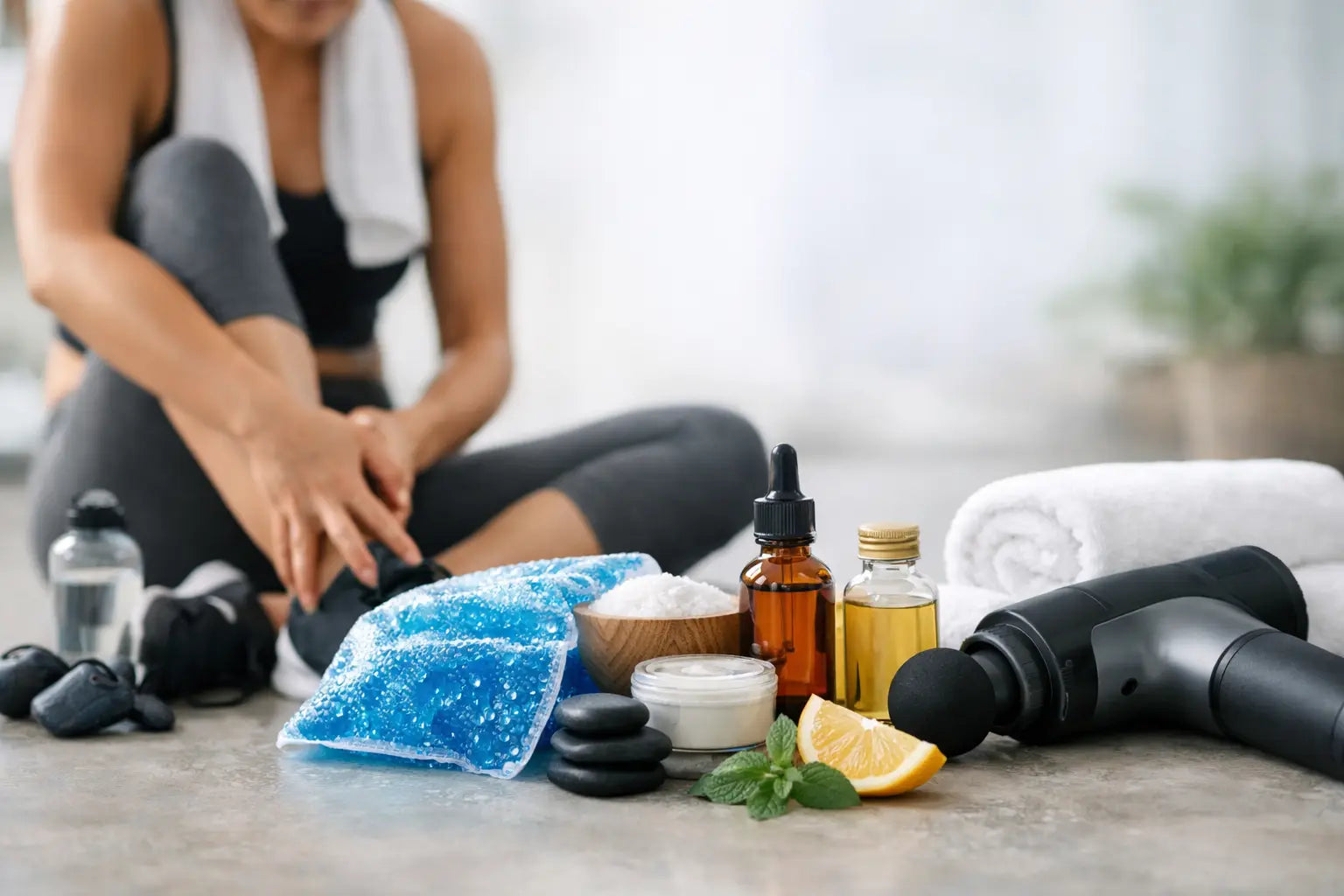
You finished the workout, felt great for a few hours, and then your legs started negotiating against stairs. If you’re wondering what helps sore muscles fast, the answer is usually not one magic trick. It’s a mix of smart recovery habits that calm inflammation, improve circulation, and help your body repair without making soreness worse.
The good news is that fast relief does not have to mean complicated. A few simple at-home tools and habits can make a real difference, especially if you stay consistent and avoid the common mistake of doing too much too soon.
What helps sore muscles fast after a workout?
Most post-workout soreness is delayed onset muscle soreness, often called DOMS. It tends to show up 12 to 24 hours after exercise and can last a few days, especially after strength training, new movements, or longer sessions than usual.
What helps most is anything that supports blood flow, reduces stiffness, and gives your muscles the basics they need to recover. That usually means light movement, hydration, good sleep, targeted heat or cold, and recovery tools that fit easily into your routine. If your soreness is severe, sharply painful, or paired with swelling, weakness, or bruising, that is different from typical workout soreness and may need medical attention.
Start with gentle movement, not total rest
When you’re sore, staying completely still can backfire. Muscles often feel tighter and stiffer when you stop moving altogether. Light activity helps keep circulation going and can make your body feel looser within minutes.
A short walk, gentle yoga flow, easy cycling, or mobility work is often enough. The goal is not to train hard again. The goal is to reduce that heavy, locked-up feeling and help your body move normally. If movement makes the soreness feel sharply worse, pull back. Recovery should feel supportive, not punishing.
This is one of the fastest ways to feel better in the moment because it improves how your body moves right away. It may not erase soreness completely, but it often takes the edge off.
Use heat when stiffness is the main problem
If your muscles feel tight, dense, and resistant to movement, warmth can help. Heat encourages blood flow and can make it easier to relax the area. A warm shower, heating pad, warm bath, or a few minutes with a heat-based wellness tool can be a strong addition to your recovery routine.
Heat tends to work best when soreness comes with stiffness rather than active inflammation. If the area feels hot, swollen, or freshly irritated, cold may be the better choice first. For general next-day soreness, though, heat is often what makes people feel human again.
At-home recovery devices that use red light or warming features can also fit well here because they are easy to use consistently. That matters. The best recovery routine is the one you will actually stick with.
Try cold therapy for heavy, inflamed soreness
Cold therapy can be useful when muscles feel especially tender, inflamed, or overworked. Cold helps reduce that throbbing, irritated feeling and may be especially appealing after intense training blocks, long runs, or physically demanding days.
This does not have to mean forcing yourself into an extreme ice bath if you hate cold. A cool shower, cold pack, or short cold exposure session can still help. For some people, full cold water therapy feels energizing and speeds up how recovered they feel. For others, it is too intense and they recover better with milder options. It depends on your tolerance, your routine, and how your body responds.
If you use cold right after strength training every time, keep in mind there is some debate around whether frequent aggressive cold exposure may slightly reduce muscle-building signals. If your top priority is pure comfort and soreness relief, cold can be a great tool. If hypertrophy is the goal, you may want to be more strategic.
Hydration helps more than people think
Sore muscles recover better when your body is well hydrated. Fluids support circulation, nutrient delivery, and normal muscle function. If you exercised hard, sweated a lot, or had a salty meal without enough water, dehydration can make soreness and cramping feel worse.
Plain water is a strong start, but after tough workouts, electrolytes can help too. This is especially true if you train in the heat, sweat heavily, or feel drained along with being sore. You do not need to overcomplicate it. Just make rehydration part of the recovery plan instead of an afterthought.
Eat for repair, not just for fullness
If you want to know what helps sore muscles fast, food deserves a bigger role in the conversation. Muscles need protein to repair, and they use carbohydrates to restore energy stores after training. Skipping recovery nutrition can leave you feeling more run down the next day.
A balanced post-workout meal or snack with protein and carbs is usually the sweet spot. Think Greek yogurt and fruit, eggs with toast, a protein smoothie, or chicken with rice and vegetables. Whole foods work well, and simple works fine. You are not chasing perfection here. You are giving your body the raw materials to recover.
Some people also notice benefits from anti-inflammatory foods like berries, tart cherry products, leafy greens, ginger, or omega-3-rich foods. These are helpful additions, but they do not replace the basics of eating enough overall.
Massage and muscle release can speed up relief
When soreness comes with knots, tension, or that compressed feeling in specific areas, massage can help quickly. That could mean a professional massage, a handheld massage device, foam rolling, or simply using a massage ball against the wall.
The key is pressure that feels relieving, not brutal. A lot of people assume harder is better, but that is not always true. Aggressive rolling on already sore muscles can leave you feeling more beat up. Slow, moderate pressure usually works better, especially on quads, glutes, calves, upper back, and shoulders.
Recovery tools are especially useful for home routines because they make it easy to treat the exact area that needs attention without booking appointments or changing your schedule. That convenience is a big part of staying consistent with recovery instead of only thinking about it when soreness gets bad.
Sleep is where the real repair happens
This one is not flashy, but it matters. Your body does a huge amount of recovery work during sleep. If you are training regularly and sleeping poorly, soreness often lasts longer and feels more intense.
A single good night of sleep can noticeably improve how your muscles feel the next day. Aim for a cool, dark room, a regular bedtime, and less late-night screen time if possible. If your workouts are solid but your recovery always feels slow, sleep is one of the first places to look.
What helps sore muscles fast when you want to keep training?
Sometimes you do not want to skip the gym, your yoga class, or your daily walk. That is fine, as long as you adjust. Training through mild soreness is often okay if your form is good and the discomfort eases as you warm up. Training hard on severely sore muscles usually leads to worse movement, lower performance, and a higher chance of overdoing it.
A better move is to shift the plan. Train a different muscle group, lower the intensity, shorten the workout, or make it a mobility-focused day. Recovery is part of progress, not a break from progress.
This is where a home wellness setup really helps. When you have easy access to recovery tools, from heat and cold options to mobility gear, it becomes much easier to bounce back and keep your routine going without feeling like every sore day turns into a lost day.
A few things that can make soreness worse
The fastest path to relief also means avoiding habits that keep muscles irritated. Going straight back into max-effort training, sitting all day without moving, skimping on food, and sleeping too little can all drag soreness out.
It is also worth remembering that “fast” is relative. Mild soreness may improve within a day. Heavier soreness after a tough leg day or a brand-new workout can take two to three days to settle. The goal is not to force your body to recover on command. The goal is to support it so recovery happens as smoothly as possible.
Build a simple recovery routine you can repeat
The best answer to what helps sore muscles fast is a routine that feels realistic on a busy day. That might look like a short walk in the morning, plenty of water, a protein-rich meal, ten minutes of stretching, and heat or cold later in the day. It does not need to be elaborate to work.
If you like having practical tools at home, brands like Best Fit & Healthy make that routine easier to maintain by bringing recovery, movement, and self-care into one place. That convenience matters because the easier recovery feels, the more likely you are to do it before soreness starts running the show.
Your body usually tells you what it needs. If movement helps, keep it gentle and steady. If heat relaxes you, use it. If cold gives you relief, make it part of the plan. The fastest recovery often comes from paying attention, staying consistent, and treating soreness like a signal to support your body, not fight it.
Share:
Cold Plunge vs Ice Bath: What Fits Best?
How Red Light Supports Workout Recovery